
The rapid evolution of immersive technologies is opening new professional pathways across the global digital economy. Virtual reality (VR), augmented reality (AR), and metaverse environments are no longer limited to experimental tech projects. Today, they are being integrated into industries such as entertainment, education, marketing, architecture, and product design.
As companies explore new ways to connect with audiences and create interactive digital environments, the demand for professionals with AR and VR expertise is steadily growing. Many of these roles can be performed remotely, allowing specialists from different regions to collaborate with international companies and participate in global innovation projects.
Key skills for a global AR and VR career
Professionals working in immersive technology typically combine technical, creative, and design-oriented skills. Several competencies are particularly valuable for those entering the international AR and VR job market.
• 3D modeling and animation: creating interactive digital environments and realistic virtual objects.
• Programming and software development: building immersive applications using development platforms such as Unity or Unreal Engine.
• User experience and interface design for immersive environments: developing intuitive and engaging interactions for users navigating virtual spaces.
• Digital storytelling: communicating narratives and concepts effectively within interactive virtual worlds.
• Immersive marketing strategies: designing campaigns that connect brands and audiences through AR and VR experiences.
Online learning platforms, certification programs, and digital bootcamps are helping professionals at different stages of their careers develop these capabilities and enter the expanding immersive technology sector.
Career opportunities in immersive technologies
Organizations across multiple sectors are increasingly adopting AR and VR technologies to improve user engagement, training simulations, and digital marketing strategies.
Common professional roles within the immersive technology ecosystem include:
• AR and VR Designer: approximately US
15–25perhour•3DModeler:aroundUS15–25perhour•3DModeler:aroundUS
12–22 per hour
• Immersive Marketing Specialist: roughly US$14–28 per hour
Because immersive technologies are being adopted internationally, professionals in these fields often have opportunities to work within remote or hybrid teams that collaborate across multiple countries.
Building a lifelong learning pathway
Professionals interested in developing careers in AR, VR, and metaverse environments often benefit from a continuous learning approach that combines technical education with practical experience.
• Enroll in online courses, certifications, or specialized bootcamps focused on AR, VR, and 3D modeling.
• Develop a professional portfolio with real-world immersive projects.
• Participate in international hackathons, design competitions, or virtual collaboration initiatives.
• Stay informed about emerging immersive technologies, development tools, and global industry trends.
As immersive technologies continue to evolve, careers connected to the metaverse and AR/VR development are becoming increasingly accessible to professionals worldwide. With the right combination of technical knowledge, creativity, and continuous learning, individuals can participate in a growing global industry that is redefining how people interact with digital environments.
Building Careers in the Metaverse: Skills and Opportunities in AR/VR for the Global Workforce
11 Mar, 2026 | 17:24
.
PE
Updated on
20/03/2026 10:09
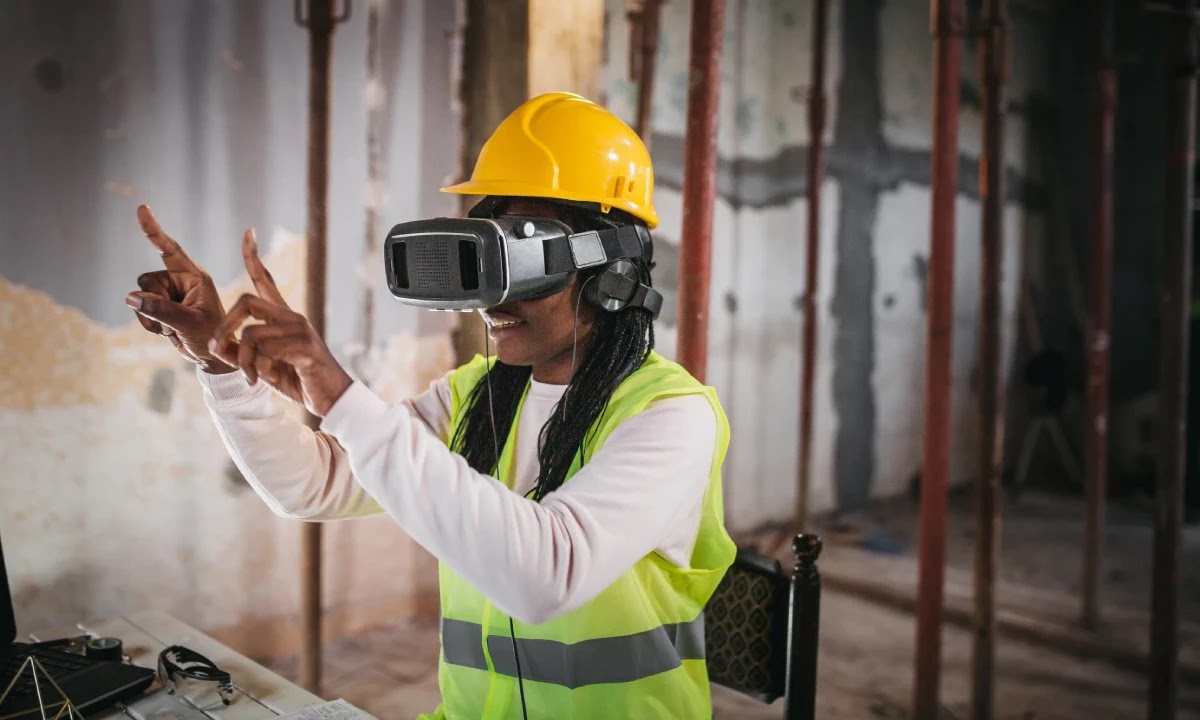
The metaverse and AR/VR are creating high-demand roles worldwide. Learn which skills, online courses, and certifications help professionals enter 3D design, immersive marketing, and virtual programming careers in 2026.








No comments yet. Be the first!