
Health Misinformation and Disinformation: Global Challenges and Solutions
22 Aug, 2025 | 14:07
.
PE
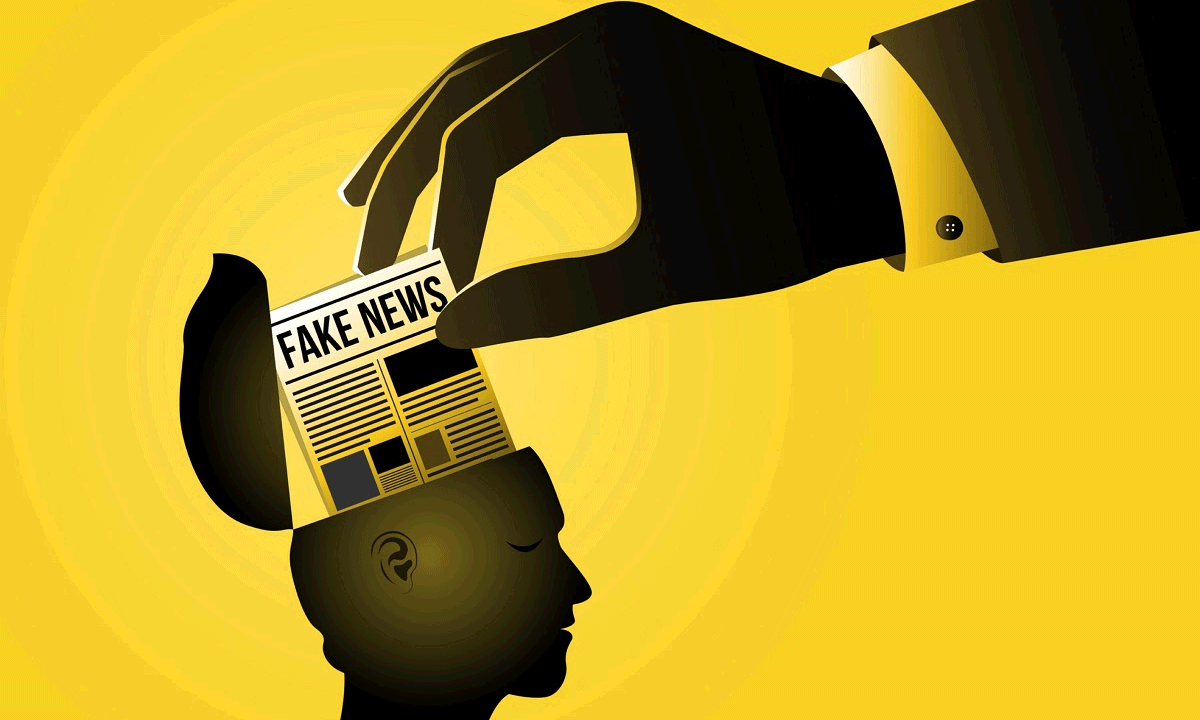
Health misinformation spreads rapidly worldwide, affecting public health, education, and workplace productivity. Learn strategies to identify reliable sources and mitigate its impact.
Understanding Health Misinformation and Disinformation
Health misinformation refers to incorrect or misleading information shared without intent to deceive, whereas health disinformation is deliberately spread to manipulate opinions or behaviors. Both phenomena are prevalent in the digital era and pose risks to global health.
According to experts in cognitive psychology, disinformation spreads efficiently because it appeals to emotions and pre-existing beliefs. False claims regarding vaccines, treatments, or disease prevention can influence decisions, sometimes leading to harmful outcomes.
Globally, misinformation and disinformation threaten vaccination campaigns, public adherence to preventive measures, and trust in healthcare institutions, making them a priority concern for health authorities and educators alike.
Digital Platforms and Global Spread
Social media and digital platforms accelerate the dissemination of health misinformation. Algorithms prioritize content that generates engagement, often favoring sensationalist or emotionally charged posts, regardless of accuracy.
This rapid spread creates information bubbles, or echo chambers, where false narratives are reinforced. Individuals within these bubbles may accept misinformation as truth, creating challenges for governments, healthcare providers, and educational institutions worldwide.
Identifying Reliable Sources
Accessing reliable health information is critical. Strategies include:
Verify authorship: Ensure content comes from medical professionals, reputable universities, or recognized health institutions.
Check publication dates: Medical knowledge evolves rapidly; outdated information may no longer be accurate.
Review scientific evidence: Reliable claims are supported by peer-reviewed studies and credible references.
Cross-check multiple sources: Confirm information across trusted channels to reduce errors.
Educational programs that teach digital literacy and critical evaluation of health content are increasingly essential at global and community levels.
Economic and Workplace Impacts
Health misinformation affects not only public well-being but also economic productivity. Misguided health decisions can lead to preventable illnesses, increasing healthcare costs and workplace absenteeism.
Companies worldwide face operational challenges when employees rely on inaccurate health information. This can result in decreased productivity, higher insurance expenses, and reputational risks, especially for businesses in health-related sectors.
Organizations that implement internal education programs and promote verified information mitigate these economic impacts while fostering a healthier, more informed workforce.
Social and Educational Consequences
Globally, health misinformation exacerbates social inequities. Communities with limited access to digital literacy programs or reliable media are more vulnerable to false information.
Educational initiatives that integrate critical thinking, evidence-based health literacy, and digital skills help reduce the influence of misinformation. Schools, universities, and public health campaigns play a pivotal role in equipping populations with tools to make informed decisions and protect community health.
Strategies for Global Solutions
Combating health misinformation requires collaboration across sectors:
Government policies: Promote public education, regulate misleading content, and support evidence-based campaigns.
Corporate responsibility: Businesses can share verified health information and educate employees on identifying false claims.
Community engagement: NGOs and educational institutions can provide accessible, accurate resources tailored to diverse populations.
These measures help protect public health, maintain workforce productivity, and foster global trust in healthcare systems.
Innovation and Education as Key Drivers
Education and innovation are crucial to reducing the impact of health misinformation. Digital tools, online courses, and interactive campaigns can reach wide audiences, equipping individuals with skills to critically evaluate content.
Global initiatives that combine technology, health education, and community outreach create scalable solutions, enhancing both public health outcomes and economic stability. In this context, literacy in science and digital media becomes a strategic asset.
Toward a Health-Literate Global Society
Health misinformation and disinformation are complex global challenges with social, economic, and educational implications. Promoting critical thinking, digital literacy, and reliable information access is essential to mitigate their effects.
By fostering education, collaboration, and innovation, governments, businesses, and communities can ensure healthier populations, resilient economies, and more informed societies. Addressing misinformation proactively is key to sustaining global public health and fostering long-term social progress.
Source: Medical News Today












No comments yet. Be the first!