
On July 28, 2026, a pivotal diplomatic meeting took place at the White House between former US President Donald Trump and Israeli Prime Minister Binyamin Netanyahu, amidst rising tensions in the Middle East. While the headlines focus on the geopolitical and security aspects of the conflict, the ramifications on the global workforce and labor markets warrant thorough examination.
The recent deadly strike on a commercial vessel attributed to the Iranian-backed factions has intensified disputes within Tehran regarding the country's strategic direction. Beyond regional instability, these developments contribute to significant disruptions in various sectors worldwide, particularly in industries deeply integrated with Middle Eastern trade and labor.
Global Workforce Implications
The Middle East is a critical hub for energy production, shipping routes, and labor migration, all of which have multifaceted impacts on the global employment landscape. The recent escalation poses challenges and shifts in several aspects:
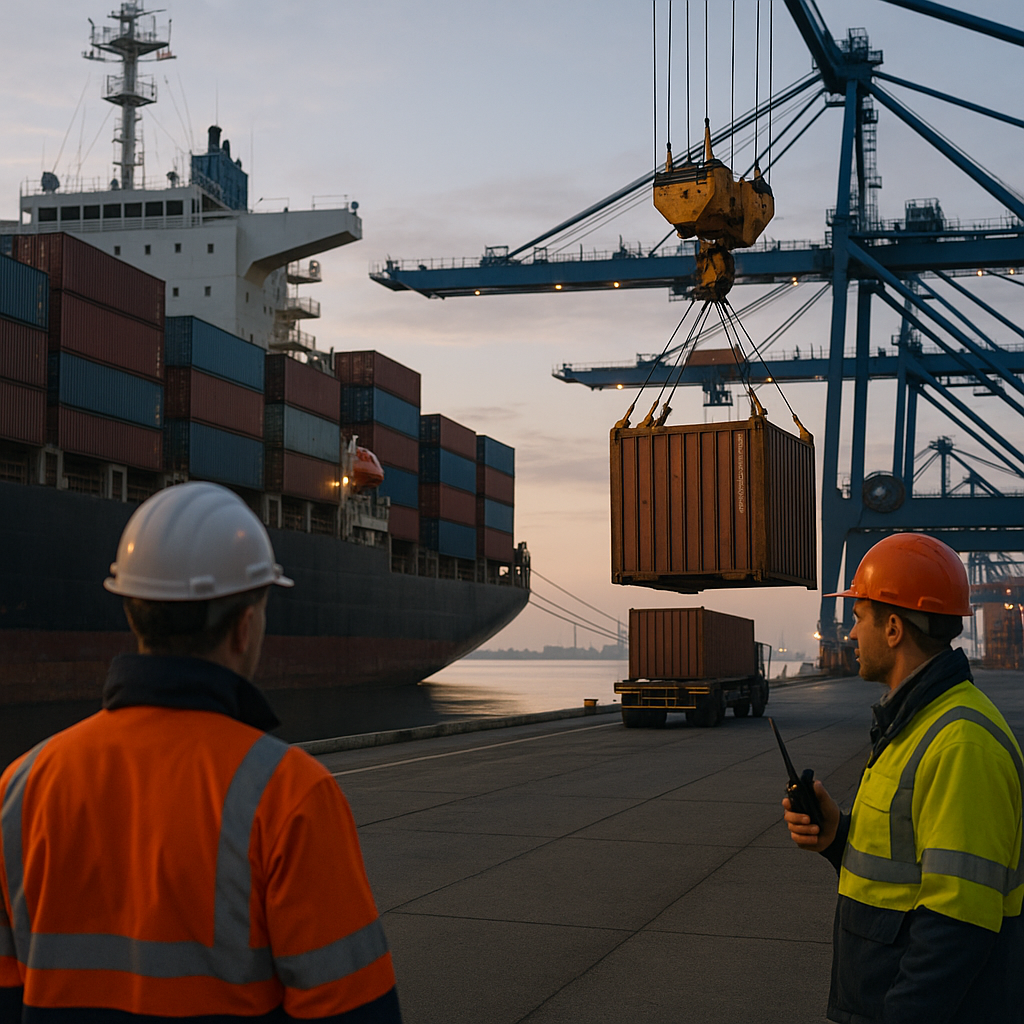
- Supply Chain Interruptions: The rising conflict jeopardizes vital maritime corridors such as the Strait of Hormuz, through which a large portion of the world’s oil supply passes. Disruptions in these corridors inevitably affect industries reliant on raw materials and energy, triggering ripple effects in manufacturing, transportation, and services.
- Labor Mobility Constraints: Heightened security risks and political instability often lead to stricter immigration controls and decreased labor mobility. Many enterprises employing expatriate workers from the Middle East are evaluating relocation strategies or remote engagement models to maintain operational continuity.
- Sectoral Workforce Shifts: Energy sector workers face increased uncertainty, while defense and cybersecurity sectors experience growth. Additionally, sectors such as logistics and infrastructure may see fluctuating demand depending on conflict developments and regional stability efforts.
Corporate and Workforce Adaptation
Organizations worldwide are recalibrating their strategies in response to the Middle East's volatile environment:
- Remote Work and Regional Diversification: Companies are accelerating the adoption of remote work frameworks and diversifying geographic footprints to mitigate regional risks.
- Investment in Security and Training: Increased focus on cybersecurity and conflict-sensitive training programs is preparing workforces for the complexities of operating in or with regions undergoing instability.
- Resilience Planning: Businesses are enhancing workforce resilience through flexible contracts, mental health support, and scenario planning linked to geopolitical developments.
These adaptive measures underscore the intertwined nature of geopolitics and labor markets, highlighting the necessity for proactive workforce governance amid uncertainty.
Looking Ahead: Workforce Trends Amid Geopolitical Uncertainty
As diplomatic negotiations continue and regional dynamics evolve, experts forecast several trends that will shape the global workforce landscape moving forward:
- Acceleration of Technological Integration: Automation and AI deployment will likely increase to reduce dependency on vulnerable supply chains and physical workforce deployments in sensitive regions.
- Shift Toward Skilled Talent Pools: Employers may prioritize hiring highly adaptable and multifunctional workers capable of navigating volatile environments.
- Greater Emphasis on Employee Well-being: As psychological stress escalates due to global uncertainties, organizations will invest more heavily in comprehensive employee support mechanisms.
Collectively, these factors demonstrate the critical role of strategic workforce management in an era shaped by geopolitical complexity.
Conclusion
The meeting between Trump and Netanyahu and the ongoing tensions in the Middle East offer a prism through which to understand the broader repercussions on the global workforce. While geopolitical conflicts inherently carry risks, they also catalyze innovation and adaptability within labor markets worldwide. Organizations and workers alike must remain agile, prepared to navigate the evolving landscape defined by uncertainty and opportunity.










No comments yet. Be the first!