
What education systems should take from this shift
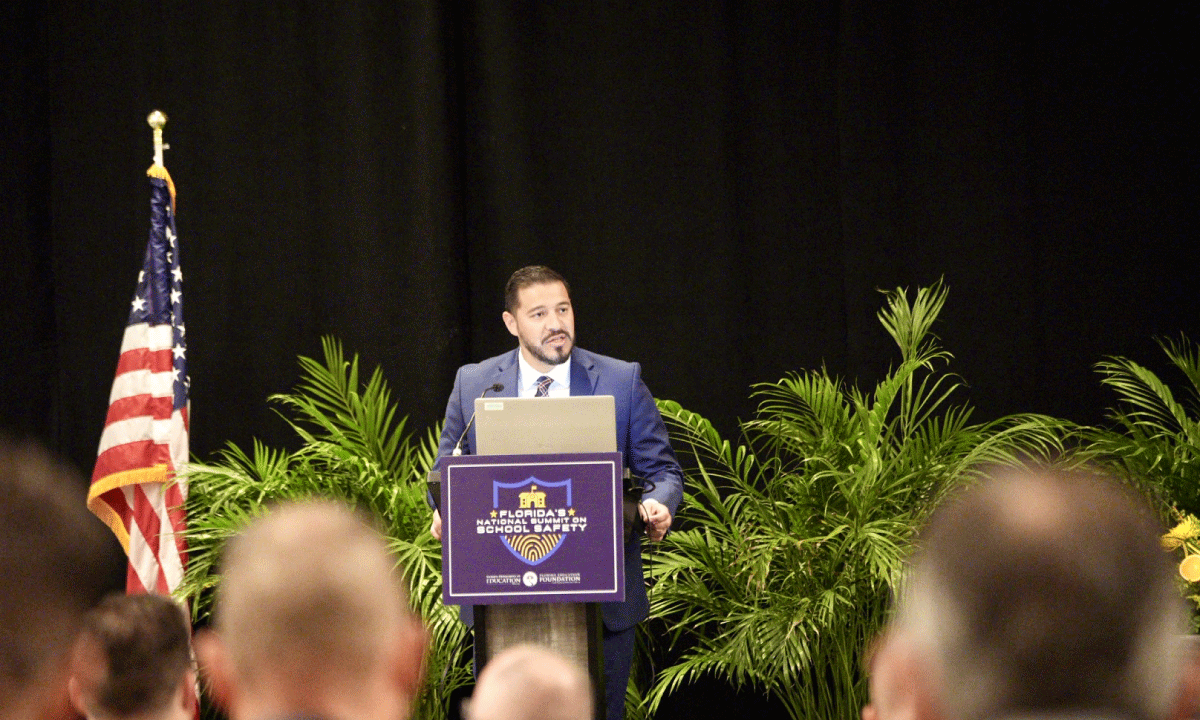
One of the key takeaways from the summit is the transition from reactive to preventive thinking. Educational institutions are being encouraged to move beyond crisis response and instead embed safety into everyday operations, planning, and culture.
This approach requires a systemic change. Safety is no longer treated as an external requirement but as an integral component of how institutions function. It intersects with governance, technology adoption, and student engagement, creating a more holistic model of education.
Skills that are becoming essential
As safety becomes embedded in education systems, new competencies are gaining importance. These include risk assessment, crisis communication, and the ability to interpret data from monitoring technologies. Such skills are increasingly relevant across multiple disciplines, not only in security-related roles.
Additionally, there is a growing need for interdisciplinary thinking. Professionals must be able to connect technical knowledge with human-centered approaches, ensuring that safety strategies are both effective and adaptable to different contexts.
How institutions can adapt their training models
To respond to these changes, universities and training providers need to rethink their curricula. Integrating safety-related content into existing programs is one step, but deeper transformation may involve creating new courses or specializations focused on risk management and preventive strategies.
Collaboration will also play a critical role. Partnerships between educational institutions, technology providers, and policy makers can help ensure that training remains aligned with real-world demands and evolving standards.
- Incorporating risk management into academic programs
- Developing simulation-based learning experiences
- Strengthening digital monitoring competencies
- Promoting interdisciplinary education models
- Expanding continuous professional development
The discussion around school safety is gradually reshaping the priorities of education systems. Institutions that recognize this shift early will be better positioned to prepare learners for environments where adaptability, awareness, and prevention are key.









No comments yet. Be the first!