
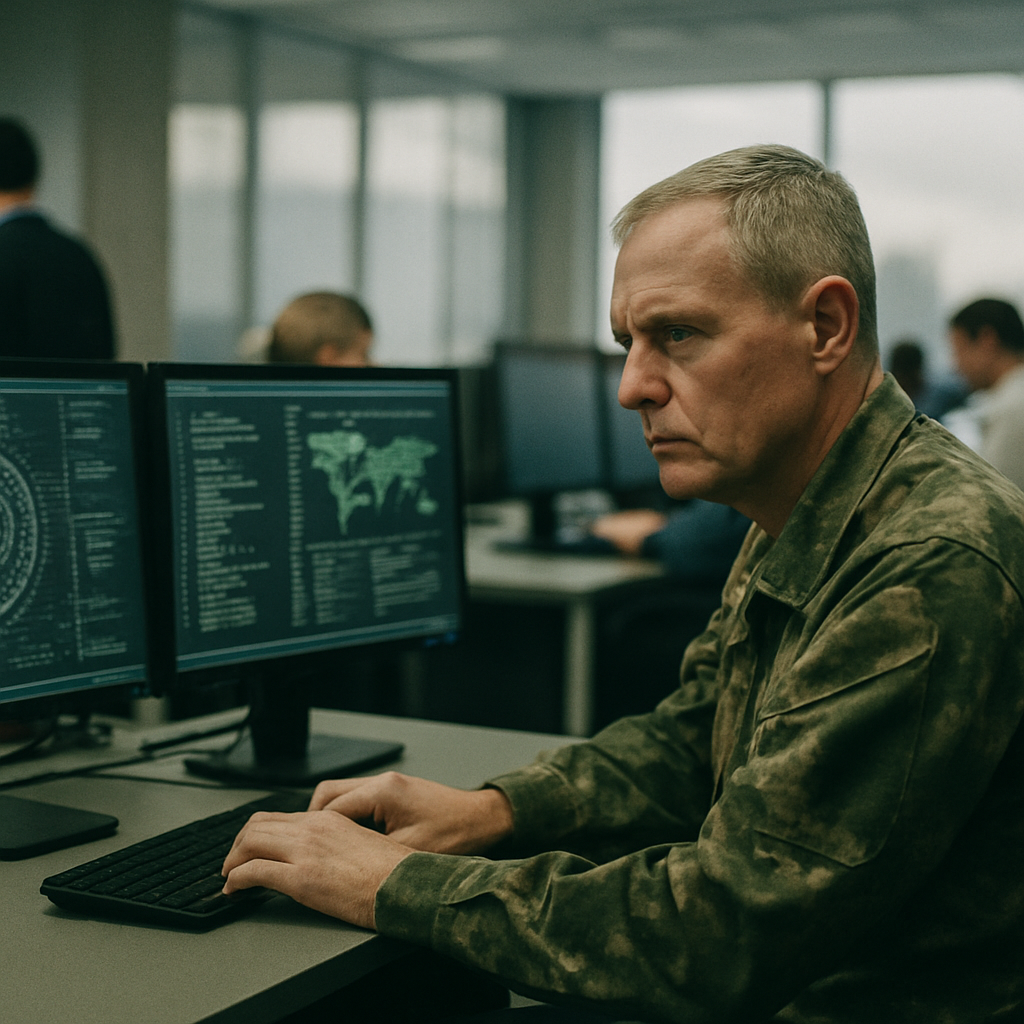
On May 22, 2026, reports have emerged concerning a former United States Air Force intelligence specialist who stands accused of acting as a covert operative for Iranian intelligence. This case has spotlighted critical concerns regarding insider threats within sectors reliant on highly sensitive information.
Background of the Accusation
The individual in question, having served in the Air Force with access to classified data, allegedly became involved in clandestine operations benefiting Iran’s intelligence network. This development underscores vulnerabilities within military and governmental frameworks but also resonates throughout the broader global workforce, especially for organizations managing classified or proprietary information.
Challenges Posed to Global Workforce Security
This high-profile espionage case illuminates several key challenges organizations worldwide face when mitigating insider risks:
- Trust and Vetting Processes: Ensuring that personnel clearance and background investigations are sufficiently robust to detect potential risks early on.
- Continuous Monitoring: Implementing advanced behavioral analytics and monitoring systems that can identify warning signs of insider threats before breaches occur.
- Training and Awareness: Cultivating an organizational culture where employees understand the importance of safeguarding sensitive information and recognize suspicious activities.
- Information Access Controls: Limiting data access based on roles and implementing dynamic authorization techniques to reduce unnecessary exposure.
Implications for Multinational Corporations and Defense Contractors
Given the global nature of workforce ecosystems, particularly within defense and technology sectors, the implications of insider espionage risk are substantial. Multinational corporations dealing with classified or proprietary information must heighten their vigilance by:
- Investing in enhanced cybersecurity frameworks aligned with insider risk prevention.
- Strengthening partnerships with government agencies to improve real-time information sharing concerning threats.
- Adopting comprehensive employee lifecycle security strategies that encompass recruitment, continuous evaluation, and exit protocols.
Broader Workforce Trends and Security Practices
This incident also provides a timely reminder about the evolution of workforce security within an increasingly interconnected and digitized environment. The rise in remote working modalities, complex supply chains, and international collaborations means:
- Security policies must be adaptable and encompass a global view of risk management.
- Collaboration tools and communication channels require end-to-end encryption and regular audits to prevent data leakage.
- Human resource functions need to integrate continuous risk assessments into their operations to detect behavioral shifts linked with security threats.
Conclusion
The alleged espionage activities by a former Air Force intelligence officer highlight not merely a military security breach but crucial lessons for all sectors managing classified or sensitive data. Globally, organizations must reassess and reinforce their workforce security measures to protect against insider threats that can compromise national security, corporate integrity, and operational continuity. The integration of advanced monitoring technologies, enhanced vetting protocols, and a culture attuned to security vigilance constitute essential pillars for safeguarding today’s workforce ecosystems.











No comments yet. Be the first!