
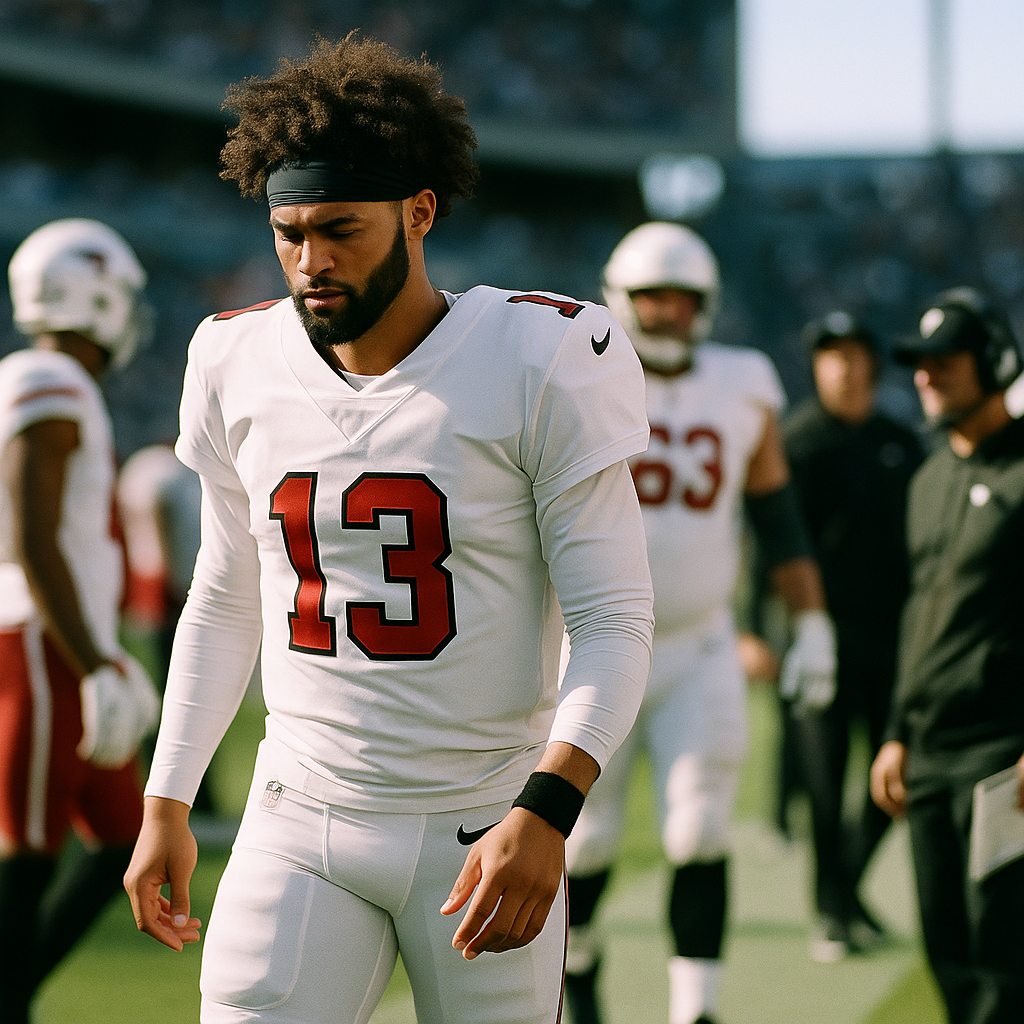
On September 26, 2026, during an NFL game, quarterback Caleb Williams was seen pacing casually along the Chicago Bears' sidelines during the national anthem, an act diverging from a tradition dating back to 1942. While this scenario initially captured public attention within the sports community, it offers a unique perspective on broader workplace behaviors and team interactions in high-stress settings, relevant across global workforces.
Workplace Conduct and Individual Expression
The act of pacing during a traditionally solemn moment can be interpreted through the lens of individual coping strategies under pressure. In corporate or organizational environments, visible behaviors such as pacing may indicate anxiety management, focus realignment, or mental preparation prior to critical tasks.
Understanding such behaviors supports modern workforce management approaches aimed at recognizing non-verbal cues and emotional states among employees or team members. Employers investing in emotional intelligence training can better support personnel demonstrating similar outward expressions of internal states.
Impact on Team Cohesion and Group Norms
Teams widely depend on shared rituals and customs to foster unity and collective identity. Williams’ deviation from a long-established tradition underscores the complex balance between individual autonomy and adherence to group norms. Globally, workplaces that foster flexible environments allowing for personal expression often see enhanced innovation and employee satisfaction but may face challenges in maintaining uniform cohesion.
Key considerations for workforce leaders include:
- Establishing clear expectations while allowing room for personal coping mechanisms
- Encouraging open dialogue about tradition versus innovation in team practices
- Promoting inclusivity that respects diverse ways of engagement
High-Stress Environments and Mental Preparation
Elite athletes and professionals in many fields face intense pressure requiring mental readiness strategies. Pacing, as observed in Williams’ behavior, can be a productive outlet for focus and stress relief, paralleling similar phenomena in business executives, emergency responders, and creative professionals.
Organizational leaders aiming for optimal performance might consider integrating awareness of such behaviors into training and wellness programs. Prioritizing mental health and stress management techniques enhances workforce resilience and effectiveness.
Technology and Surveillance Implications
In modern work environments equipped with pervasive digital monitoring, interpreting employee behaviors such as movement patterns demands contextual sensitivity. Misreading such cues without understanding underlying causes may lead to unwarranted disciplinary actions or diminished morale.
Balanced use of analytics combined with human judgment ensures supportive rather than punitive management approaches, fostering positive workplace culture.
Conclusion
Caleb Williams’ sideline pacing amid a significant public event illustrates the intersection of tradition, individual behavior, and team dynamics relevant to wide-ranging professional contexts. By examining these actions through a global workforce perspective, organizations can enhance understanding of non-verbal communication, respect individuality, and reinforce constructive team environments tailored to modern challenges.







No comments yet. Be the first!