
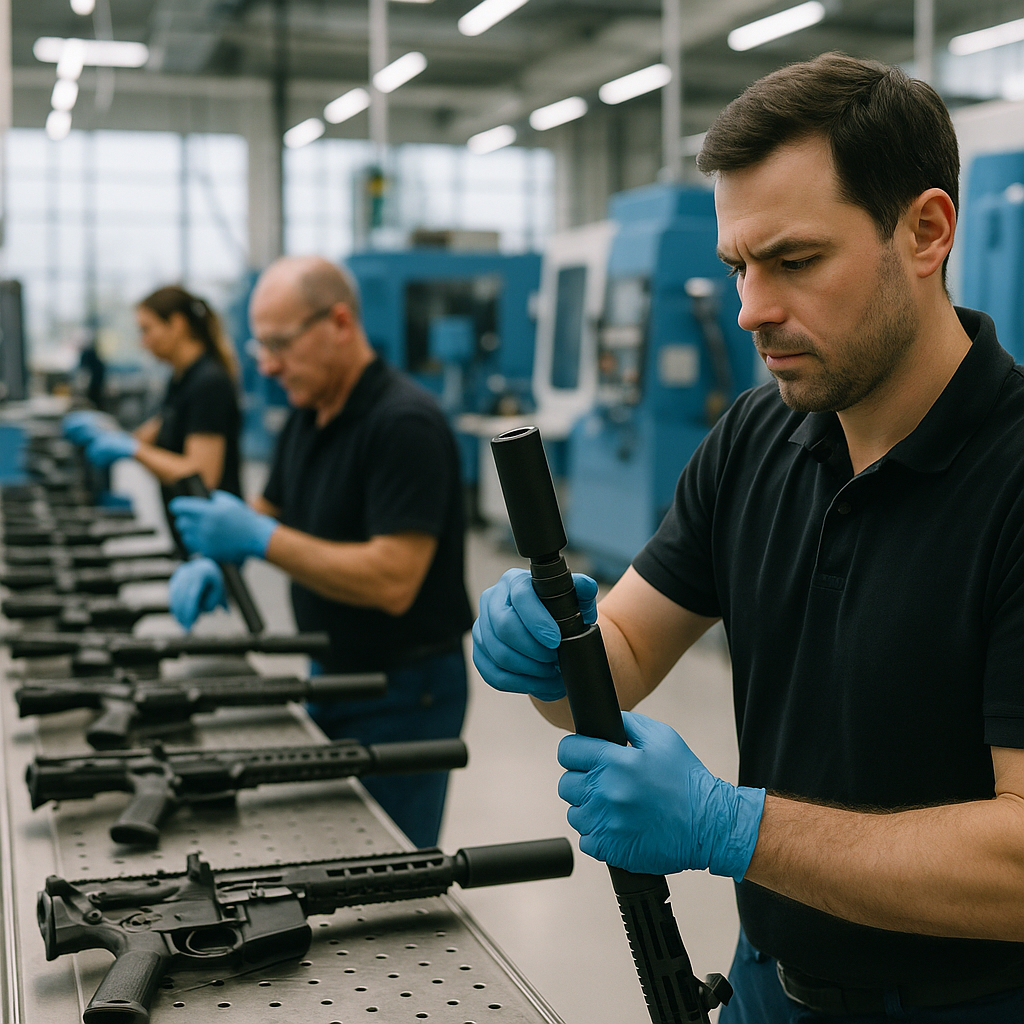
On October 12, 2026, the Bureau of Alcohol, Tobacco, Firearms and Explosives (ATF) declared a significant regulatory change by suspending decades-old firearm registration approval requirements related to suppressors (silencers) and specific firearms. While the decision was initially framed in legal and security terms, this development carries profound implications for the U.S. workforce, particularly in manufacturing, regulatory compliance, and ancillary sectors linked to firearm production and distribution.
Workforce Adaptation in Manufacturing and Compliance
The suspension of federal registration rules modifies how manufacturers, distributors, and compliance officers interact with federal oversight protocols. Companies specializing in the production of silencers and related firearms components could face a recalibration in production planning, quality assurance, and administrative staffing. This regulatory shift may reduce certain bureaucratic steps, potentially accelerating product throughput but also necessitating workforce retraining to align with updated compliance frameworks.
Employers within this sector will need to pivot their operational procedures to accommodate the new regulatory landscape, requiring employees in roles such as:
- Regulatory compliance specialists
- Quality control supervisors
- Production line workers
- Legal and policy advisors
to develop expertise in managing the revised federal approval system. Companies that swiftly integrate these changes may gain competitive advantages in production speed and cost efficiency, while delays could risk regulatory penalties or operational disruptions.
Employment Trends and Skill Demands
As the ATF suspends these registration rules, businesses evaluating workforce growth may experience contrasting effects. On one hand, reduced regulatory burdens can lead to increased manufacturing output and therefore higher demand for skilled labor. On the other hand, evolving compliance criteria can shift the skill sets emphasized in hiring priorities.
Key emerging workforce demands include:
- Advanced knowledge of federal firearms regulations and their recent amendments
- Technical skills applicable to next-generation firearms and suppressor manufacturing technology
- Enhanced cross-functional coordination between legal, production, and supply chain teams
Workers and professionals in these fields may benefit from targeted training programs, certifications, and continuing education designed to maintain alignment with federal policies dynamically evolving in 2026.
Impact on Broader Industry and Local Economies
Regions heavily dependent on firearm manufacturing stand to experience shifts in employment rates and economic activity. For instance, states with significant suppressor component plants could see fluctuations in job creation or reallocation, affecting community income levels and labor market stability.
Moreover, suppliers providing raw materials, logistics services, and aftermarket support might reevaluate staffing and operational procedures to manage changes in product volume and regulatory documentation.
Challenges and Opportunities Ahead
- Challenge: Navigating the complexity of revised federal rules while maintaining full labor compliance and avoiding potential legal risks.
- Opportunity: Streamlined approval processes could facilitate innovation cycles and faster time-to-market for firearm accessories, fostering demand for innovative technical roles.
- Challenge: Potential initial uncertainty in workforce requirements as companies interpret and implement the new directives.
- Opportunity: Growth in specialized training programs and workforce development initiatives tailored to the updated regulatory landscape.
Conclusion
The ATF's suspension of certain long-standing firearm registration rules on October 12, 2026, is not merely a matter of regulatory adjustment but a catalyst influencing the broader American workforce and industrial ecosystem. Manufacturers, compliance professionals, and regional economies must calibrate to these changes, navigating both challenges and opportunities related to workforce composition, skill demands, and operational fluidity. The capacity of industries and workers to adapt will shape economic resilience and competitive positioning in this evolving regulatory environment.










No comments yet. Be the first!