
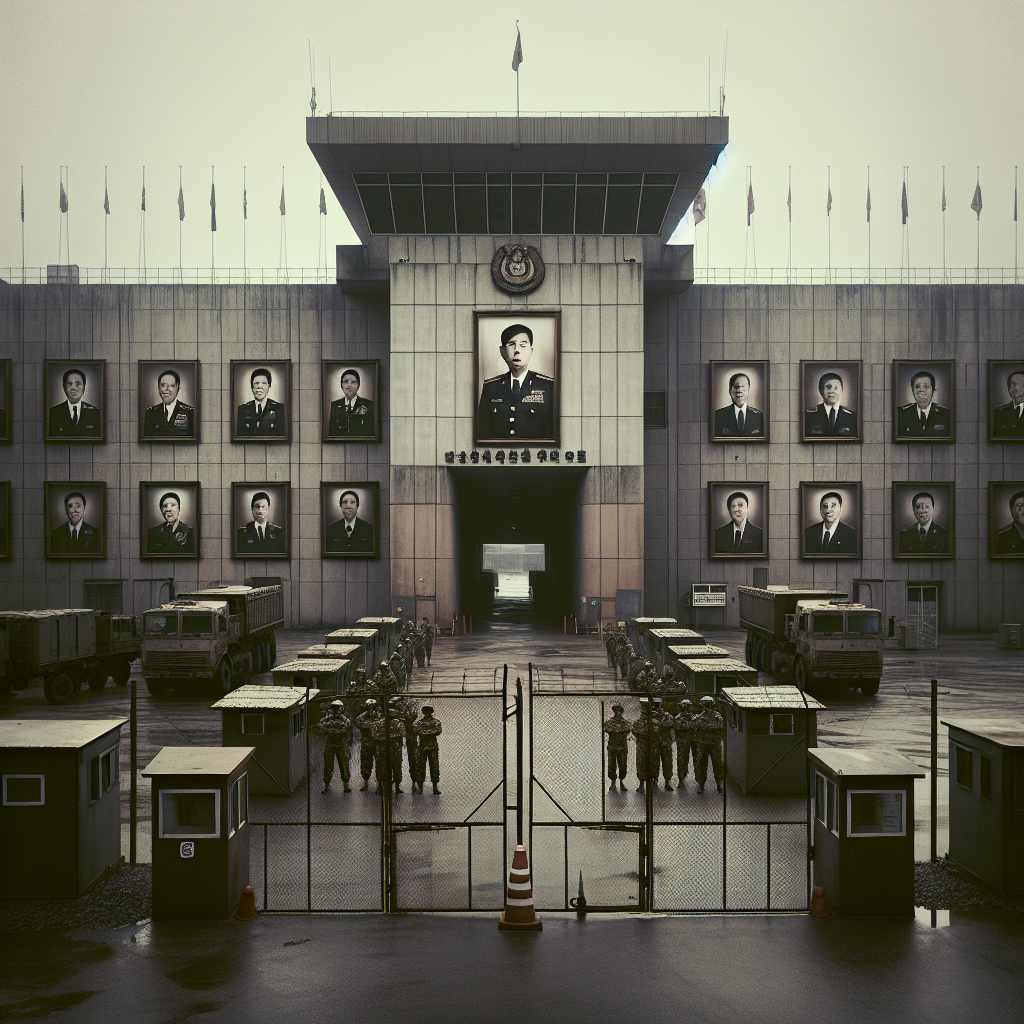
On May 11, 2026, China announced unprecedented disciplinary actions against two former leaders of its Rocket Force, marking one of the most stringent military workforce punishments in recent years. The measure underscores an intensified focus on integrity, accountability, and ethical governance within one of the world’s largest military organizations.
The sanctioned individuals, previously holding the highest command positions in the Rocket Force—China’s strategic missile forces—were found guilty of serious violations related to corruption and abuse of power. While these cases pertain to conduct within a highly specialized defense branch, the repercussions extend beyond military confines, offering valuable lessons on workforce management and organizational culture applicable on a global scale.
Enforcing Ethical Standards in Leadership
China’s decisive action mirrors an increasing global trend of enforcing transparency and accountability at the leadership level. Such enforcement plays a crucial role in sustaining the credibility and effectiveness of institutions, especially those tasked with national security and defense.
This military crackdown is part of President Xi Jinping’s broader campaign targeting corruption and misconduct across various sectors, aiming to reinforce discipline within the workforce. The Rocket Force, entrusted with the stewardship of the country’s strategic missile arsenal, serves as a critical example of how leadership integrity is vital for operational readiness and national trust.
Implications for Global Workforce Management
The case highlights several key aspects relevant to workforce management in large, hierarchical organizations worldwide:
- Accountability Mechanisms: Ensuring that high-ranking leaders are subject to the same standards as other employees fosters a culture of fairness and responsibility.
- Risk Mitigation: Proactively addressing misconduct minimizes operational risks and preserves institutional integrity.
- Leadership Transparency: Publicizing disciplinary measures can deter potential violations and promote a healthy organizational environment.
- Ethical Culture Building: Reinforcing values through stringent enforcement helps build resilient and trustworthy institutions.
Challenges in Enforcing Discipline Within Complex Structures
Despite the clear benefits, maintaining strict discipline in large and complex organizations like military forces presents unique challenges:
- Hierarchical Resistance: Deeply ingrained power structures may resist transparency and reform efforts.
- Balancing Security and Openness: In defense sectors, confidentiality is critical, yet it must be balanced against the need for accountability.
- Global Perceptions: Actions against leadership can affect international confidence and workforce morale, influencing bilateral and multilateral relations.
Broader Workforce Trends Reflected
This event aligns with a global emphasis on strengthening governance frameworks within public and private sectors alike. Multinational corporations and governments are increasingly investing in compliance programs, leadership training, and whistleblower protections to uphold ethical standards.
Additionally, the integration of technology for monitoring and reporting misconduct is transforming traditional disciplinary approaches. By combining rigorous enforcement with preventive strategies, organizations aim to foster sustainable workforce cultures that support long-term success.
Conclusion
China’s stringent actions against former Rocket Force commanders provide a compelling case study on the critical importance of leadership accountability in safeguarding organizational integrity. As global organizations navigate evolving workforce challenges, this example underscores the need for transparent, ethical governance as a cornerstone of sustainable institutional strength. Lessons drawn from such high-profile cases can inform practices that enhance workforce discipline and operational excellence across various sectors worldwide.










No comments yet. Be the first!