
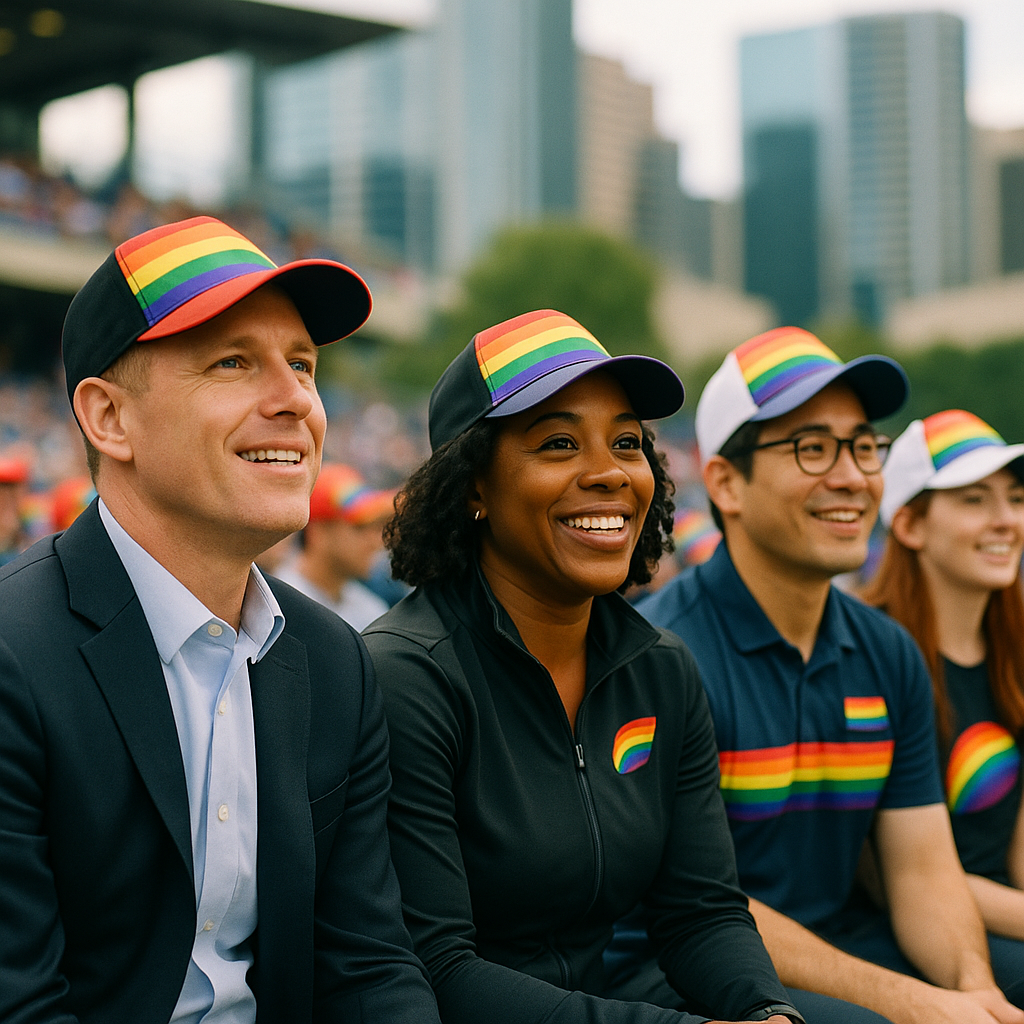
On June 6, 2026, the Los Angeles Dodgers hosted their annual Pride Night, distributing special edition hats designed to honor LGBTQ+ inclusion. While the initiative was celebrated as a progressive step towards diversity representation, it generated a spectrum of responses, signifying the complex dynamics brands face in aligning workforce and consumer values.
Workforce Inclusion and Brand Identity
The Dodgers’ approach to Pride Night underscores how organizations in entertainment and sports are navigating workforce diversity initiatives amid evolving societal expectations. The hats, emblazoned with rainbow-themed insignia, serve as a visible symbol of allyship and inclusiveness within the organization and its fan base.
However, reactions from certain workforce segments and fans illustrate how brand-driven statements can encounter pushback, requiring companies to balance expressive representation with stakeholder sentiment. One player notably opted for an alternative cap design, signifying nuanced individual approaches to workplace diversity expressions.
Implications for Global Workforce Engagement
The varied responses to the Dodgers’ Pride Night merchandise reveal critical considerations for workforce leaders worldwide:
- Employee Autonomy: Respecting individual choices regarding participation in diversity initiatives promotes a culture of psychological safety.
- External Perception: Products representing workforce values impact brand reputation and influence consumer loyalty.
- Communication Strategies: Transparent dialogue about diversity objectives can mitigate backlash and foster inclusive environments.
- Cultural Sensitivity: Understanding diverse workforce demographics helps tailor initiatives that resonate authentically.
These factors highlight the intersection between workforce inclusion and business sustainability, with sports franchises offering a microcosm for global enterprises.
Technological and Social Integration
Advances in social media analytics provide organizations insights into workforce and customer sentiment. This data can guide future diversity program designs, ensuring alignment with stakeholder values and market trends.
Moreover, internal platforms for employee feedback help organizations gauge the impact of such initiatives on morale and engagement, fostering an adaptive and resilient workforce.
Challenges Ahead
Despite increased awareness, challenges persist regarding consistent message delivery and unified participation. Organizations must navigate:
- Reconciling individual beliefs with organizational values
- Preventing polarization within teams and communities
- Ensuring diversity efforts translate into tangible career development opportunities
The Dodgers’ Pride Night experience serves as a case study for global workforce leaders aiming to promote inclusivity without compromising workforce cohesion.
Conclusion
As of June 2026, the intersection of cultural initiatives and workforce engagement remains a critical frontier for organizations worldwide. The Los Angeles Dodgers’ Pride Night hats brought to light the nuanced challenges and opportunities in articulating diversity within a global workforce framework.
Moving forward, organizations must embrace multifaceted strategies that honor individual expression, foster inclusive cultures, and align with broader societal values to strengthen employee and consumer relationships.








No comments yet. Be the first!