
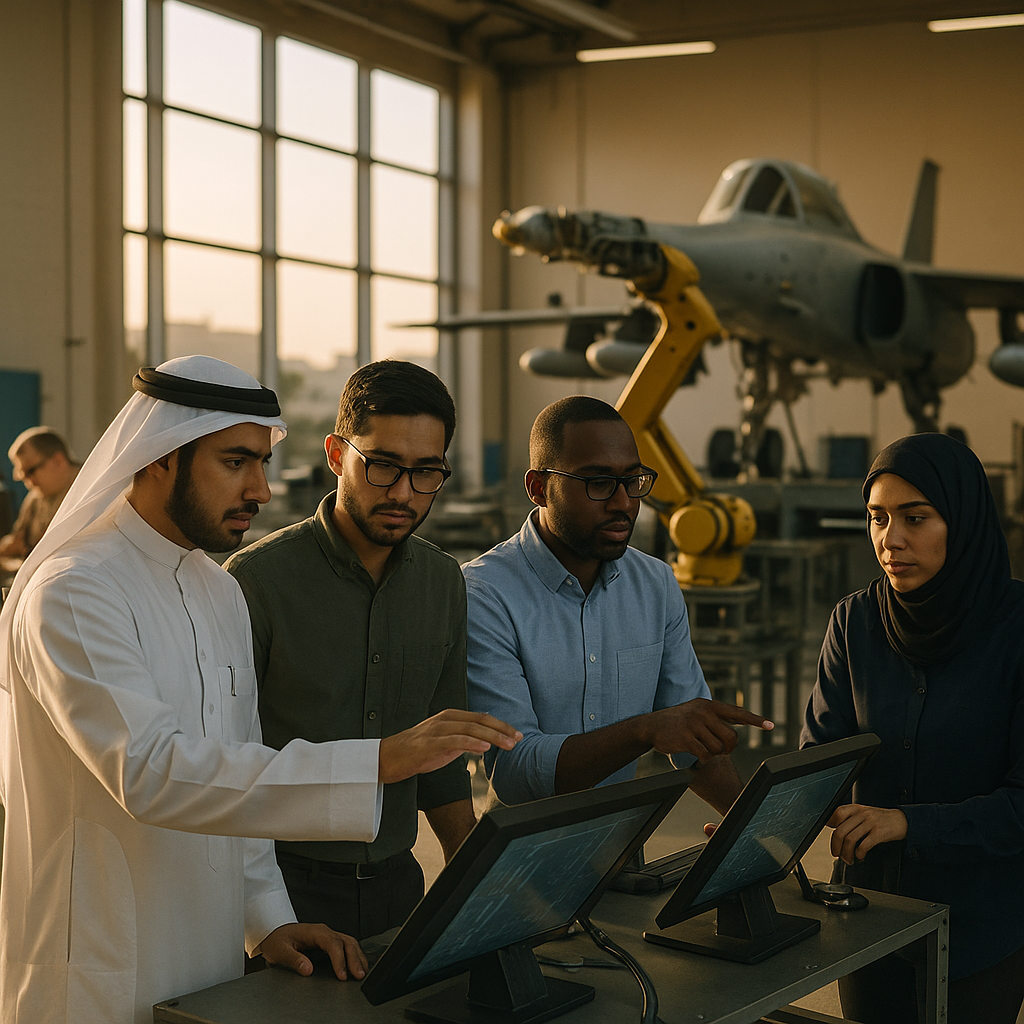
On August 12, 2026, an unprecedented military cooperation between three regional powerhouses in the Middle East has taken shape, marking a pivotal development with far-reaching implications beyond geopolitical strategy. While primarily a defense initiative, this alliance is expected to catalyze important shifts in the global workforce landscape, influencing labor mobility, sectoral demand, and professional collaborations across borders.
Strategic Alliance and Workforce Interconnection
The alliance encircles three nations recognized as military heavyweights in the Middle East, joining forces to enhance collective security and strategic influence. Although the headline focus rests on military objectives, the underlying momentum extends notably into workforce restructuring. As regional stability faces redefinition, sectors such as defense technology, cybersecurity, engineering, and logistics are anticipated to experience amplified demand for specialized talent.
This cooperation creates avenues for cross-border workforce exchanges in highly skilled domains, driving collaboration between industries and government agencies. The infusion of capital and resources into defense-related infrastructure projects will spur job creation and professional development opportunities, drawing talent pools from both within and beyond the region.
Implications for Labor Migration and Skills Development
Increased coordination among these nations is set to alter labor migration patterns, particularly for professionals in sectors contingent on technological innovation and strategic operations. Workforce mobility may see new regulatory frameworks and bilateral agreements facilitating smoother talent flows, impacting both local economies and expatriate communities.
Simultaneously, the alliance will pressure education systems and vocational training programs to align more closely with emerging industry standards and competency requirements. Governments and private sectors are expected to invest heavily in upskilling and reskilling initiatives to meet heightened workforce demands.
- Expansion of defense technology hubs requiring expertise in AI, robotics, and cyber defense.
- Growth in ancillary sectors including supply chain management, infrastructure development, and communications.
- Heightened emphasis on bilingual and cross-cultural competencies enhancing international workforce integration.
- Emergence of collaborative research and development projects fostering innovation ecosystems.
Challenges and Opportunities for Global Workforce Integration
While the alliance opens promising pathways, it simultaneously presents complexities in workforce governance. Multinational coordination demands uniform labor standards, equality measures, and robust protections for worker rights. The integration of diverse talent pools must navigate cultural, legal, and operational differences to ensure sustainable collaboration.
Conversely, the alliance propels the Middle East into a position of amplified economic influence, making it a focal point for global professionals seeking opportunities in cutting-edge sectors. International corporations and educational institutions may find fertile ground for partnerships, internships, and knowledge transfer programs.
Conclusion
The newly forged military alliance among three dominant Middle Eastern powers transcends traditional defense collaboration, acting as a catalyst for transformative changes in the regional and global workforce dynamics. It underscores the intertwined nature of security strategies and labor markets in shaping future economic landscapes.
As of 2026, understanding and adapting to these shifts will be critical for policymakers, business leaders, and workforce development professionals aiming to harness emerging opportunities while mitigating associated challenges.








No comments yet. Be the first!