
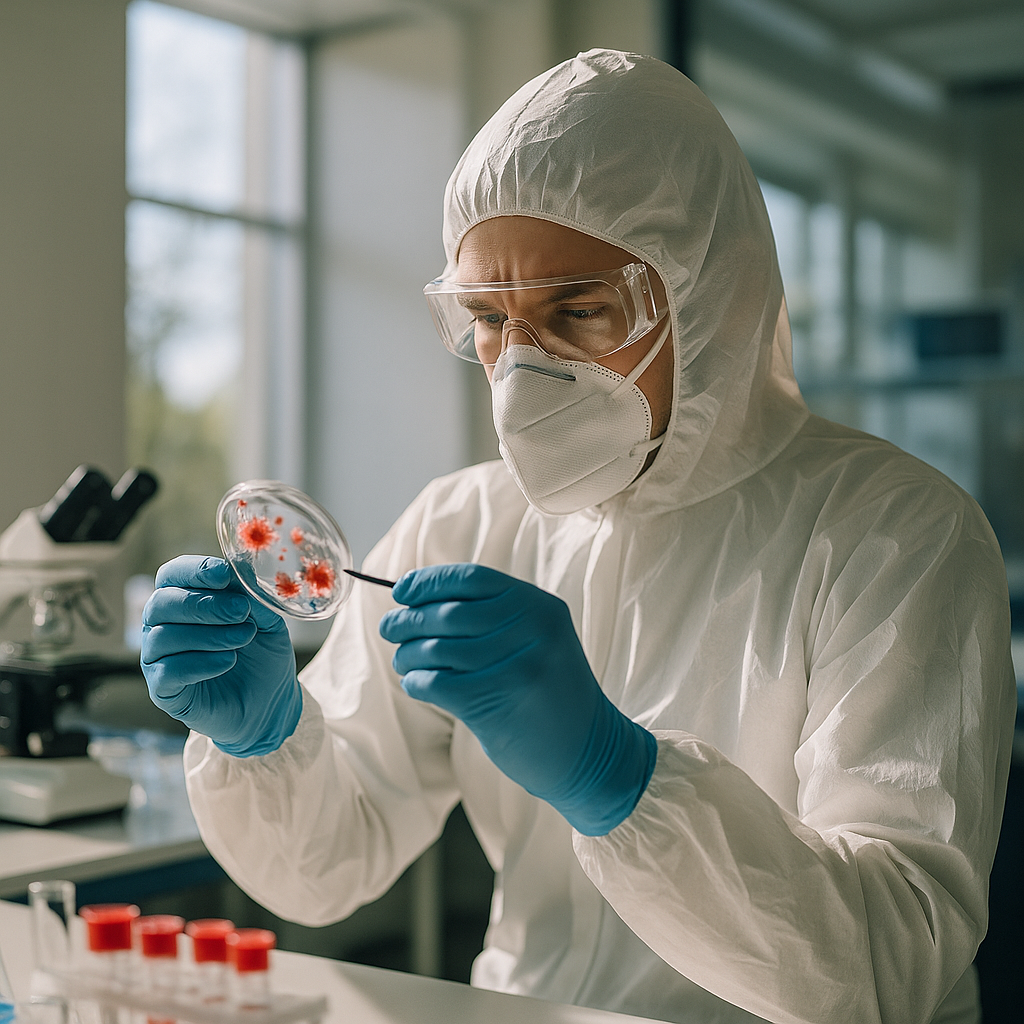
On August 4, 2026, new perspectives on the origins of the COVID-19 pandemic emerged during a recent interview with the former COVID-19 response coordinator for the United States government. This figure, previously a key architect in pandemic response efforts, acknowledged that the SARS-CoV-2 virus likely originated from a laboratory leak, a theory that had long sparked debate among scientists and policymakers alike.
The Shift in Pandemic Origin Understanding
For years, the origins of the COVID-19 virus were shrouded in uncertainty, complicating coordinated global responses and affecting public trust. The admission from such a high-profile figure marks a pivotal moment in how governments and global institutions approach health crises, especially concerning transparency and risk management around research facilities.
Understanding the source of pandemics is essential not just for epidemiology but also for workforce management worldwide. The acknowledgement of a probable lab leak has intensified discussions around the protocols governing laboratories handling infectious agents, pushing for elevated biosecurity measures to prevent future outbreaks that could disrupt labor markets.
Global Workforce Implications
The COVID-19 pandemic fundamentally altered labor dynamics across all sectors, emphasizing resilience and adaptive capacity within the global workforce. As authorities mull over this revised epidemiological insight, several critical workforce-related considerations come to light:
- Health and Safety Standards: Enhanced protocols in workplaces, especially in labs and healthcare facilities, aim to mitigate biological risks ensuring workforce protection.
- Emergency Preparedness Training: The need for robust training programs that equip employees to respond effectively during health crises.
- Remote Work and Digital Transformation: The pandemic accelerated remote work adoption, a trend likely to persist with reinforced cybersecurity and digital skills training.
- Mental Health Focus: Recognizing the psychological toll of pandemics leads to expanded mental health support for employees globally.
These elements are integral to safeguarding productivity and continuity in a world increasingly vulnerable to health emergencies.
Reexamining Health Protocols in Work Environments
In light of the lab leak theory acceptance, institutions worldwide are revisiting their health governance frameworks. This encompasses stricter monitoring of pathogen research facilities and increased international collaboration to share findings transparently. Such measures aim to reassure global workforces about the safety of their environments and reduce uncertainties that could induce workforce anxiety or absenteeism.
Moreover, governments and private sectors have begun prioritizing investments in occupational health infrastructure and rapid-response mechanisms. These investments seek to maintain workforce stability amid potential future crises, thereby protecting economies and societal well-being at large.
Challenges and Opportunities Ahead
The acknowledgment of a lab leak origin presents both challenges and growth opportunities within workforce management domains. Challenges include the complexity of implementing new regulatory standards and addressing workforce concerns about safety and job security. Conversely, opportunities arise in the enhancement of international cooperation, innovation in health technologies, and the evolution of employee engagement strategies aligned with health contingencies.
Organizations that stay proactive in adjusting to these dynamics will be better positioned to attract and retain talent in an increasingly health-conscious world.
Conclusion
The revelation by the former COVID-19 response coordinator serves as a crucial turning point in global health and workforce strategies. It encourages governments, businesses, and workers globally to adopt more rigorous safety protocols, invest in preparedness, and foster resilient labor ecosystems responsive to emerging biosecurity threats.
As the world navigates these insights in 2026, the collective focus remains on safeguarding the health of the global workforce — a vital asset underpinning ongoing economic recovery and future crisis resistance.











No comments yet. Be the first!