

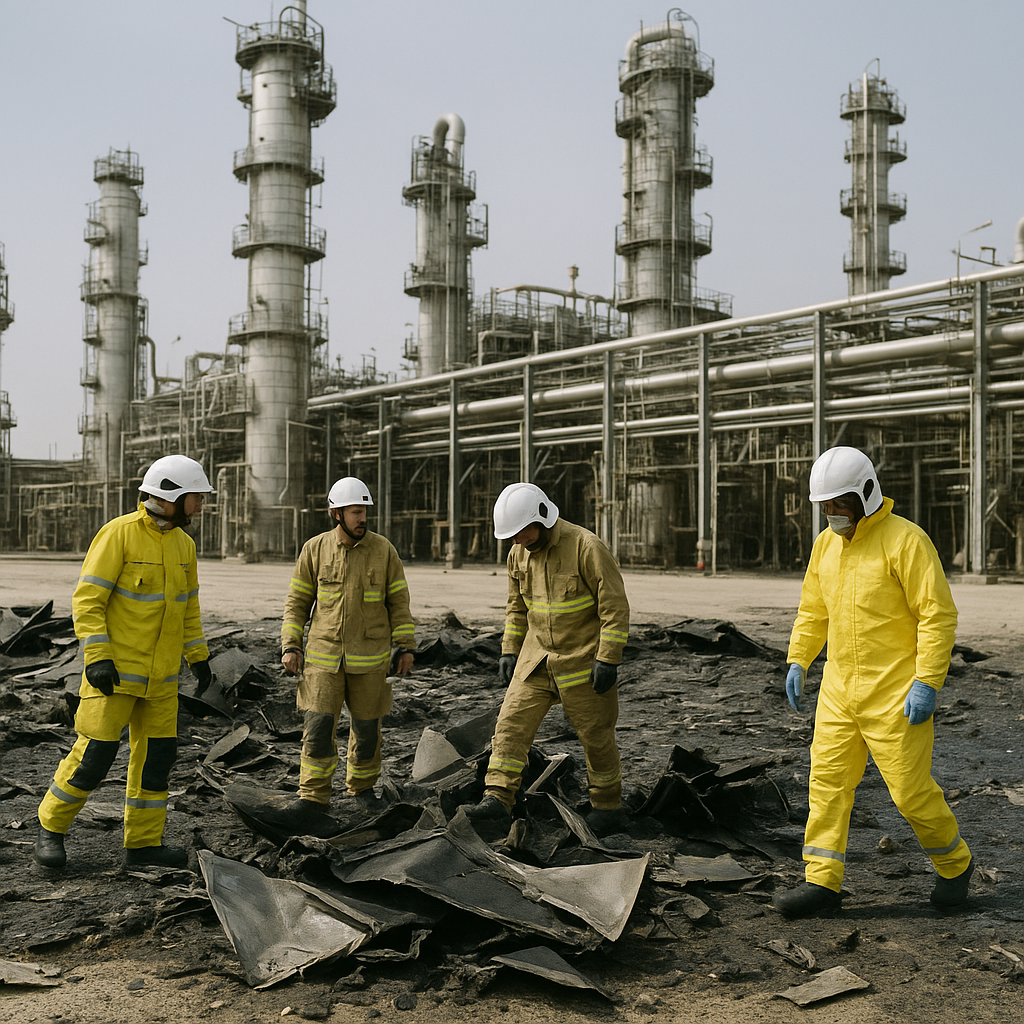
As of October 15, 2026, escalating attacks carried out by a terror group targeting vital Saudi oil facilities have significant ramifications for the global workforce employed in the energy and infrastructure sectors. This intensified security climate in the Strait of Hormuz region, a linchpin for global oil transit, necessitates a reexamination of workforce deployment, protective measures, and operational continuity within international energy companies.
Impact on Energy Sector Workforce
The Strait of Hormuz remains one of the world's most crucial maritime chokepoints, through which approximately one-fifth of global petroleum passes daily. The recent surge in orchestrated attacks not only elevates geopolitical tensions but also imposes complex demands on the workforce tasked with maintaining and safeguarding oil infrastructure.
Energy companies and allied partners are reconfiguring workforce strategies that include:
- Increased deployment of specialized security personnel trained in counter-terrorism measures.
- Enhanced collaboration with local and international law enforcement agencies to secure critical sites.
- Accelerated training programs focusing on emergency response and risk mitigation for frontline employees.
- Shifts in workforce allocation to remote or safer locations to ensure business continuity.
Broader Implications for International Labor Forces
This security environment creates ripple effects beyond the oil fields. Logistics, shipping, and maritime crews operating in and around the Strait of Hormuz now operate under heightened risk, necessitating adjustments in work protocols, insurance policies, and worker safety regulations.
Moreover, firms across the energy supply chain are investing in digital and remote-monitoring technologies to reduce physical personnel presence in high-risk areas, thereby redefining workforce composition and operational models.
Challenges to Workforce Stability and Recruitment
Recruiting and retaining skilled workers willing to operate in regions vulnerable to conflict has become increasingly challenging. Companies face:
- Heightened safety concerns from current and prospective employees.
- Increased costs associated with hazard pay and security guarantees.
- Greater emphasis on mental health support and resilience training.
- Potential disruptions caused by geopolitical uncertainty impacting workforce availability.
Strategic Responses and Future Outlook
In response, organizations are adopting comprehensive workforce management frameworks that prioritize employee safety while ensuring operational efficiency. These include alliances with global security firms, investment in emerging technologies such as AI-driven threat detection, and flexible work arrangements to mitigate risks.
As the geopolitical landscape around the Strait of Hormuz remains volatile, the capacity of the global workforce to adapt to security challenges will be critical in maintaining the stability of energy markets and safeguarding vital infrastructure.
Conclusion
The ongoing attacks on Saudi oil facilities highlight a pivotal intersection between geopolitical developments and workforce management in critical industries. Navigating this complex terrain demands agile strategies that integrate security imperatives with sustainable workforce practices, ensuring resilience in an uncertain global environment.








No comments yet. Be the first!