
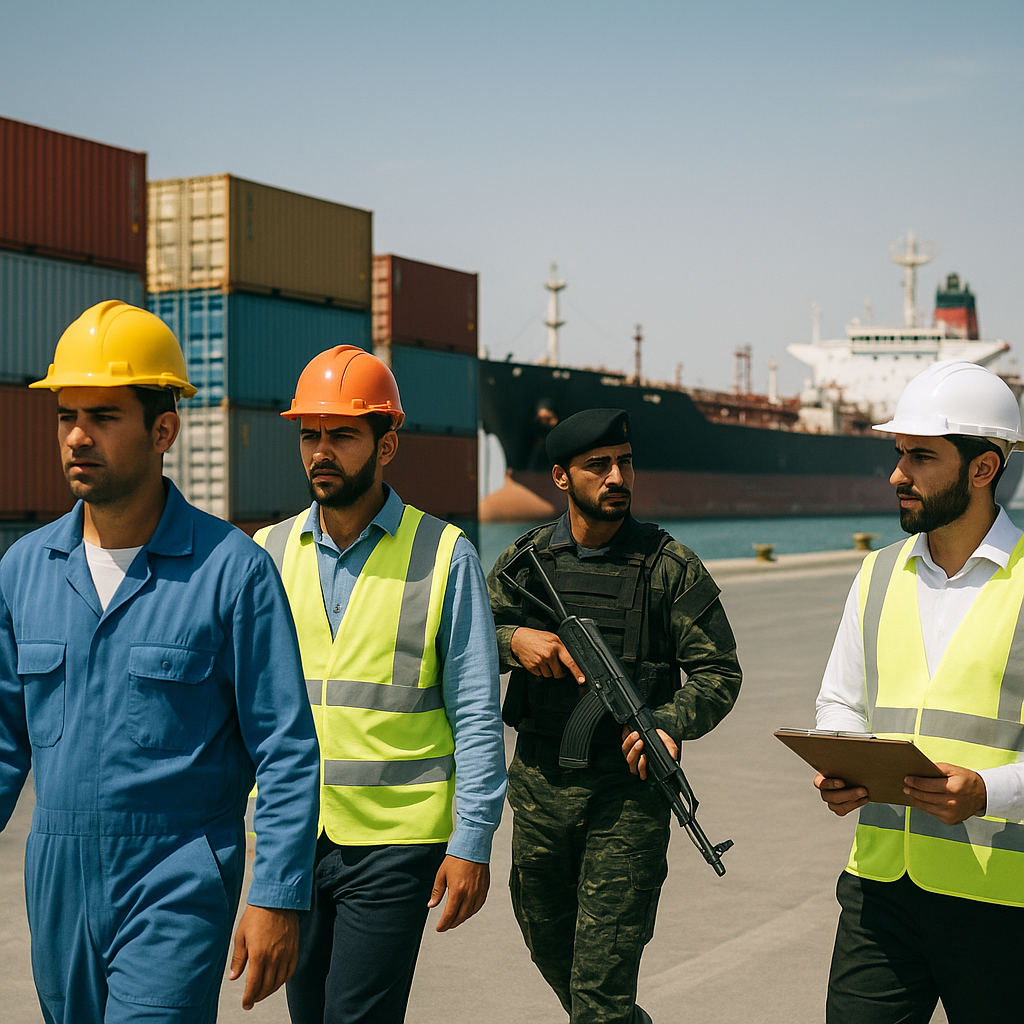
On May 28, 2026, escalating military activities in the Middle East, particularly involving Iran, have introduced a complex set of challenges impacting the regional workforce and economy. The recent reported attack by Iran on a neighboring state represents not only a breach in ongoing ceasefire efforts but also signals a shift in the operational landscape for many industries dependent on a stable environment.
Impact on Regional Labor Markets
The intensification of conflict in areas surrounding the Strait of Hormuz—a vital corridor for global energy shipments—has directly disrupted labor conditions, especially in critical sectors such as shipping, logistics, and energy production. Companies operating in these fields are navigating increased security protocols, workforce displacement, and supply chain interruptions, all of which contribute to an unpredictable employment environment.
Furthermore, multilateral responses to the security threats often involve enhanced border controls and restricted movement of personnel. This limits the availability of skilled labor and exacerbates challenges in workforce mobility, essential for maintaining operational continuity in cross-border industries.
Industry-Specific Repercussions
The oil and gas sector, a major employment source in the Middle East, faces immediate workforce pressures due to heightened geopolitical tensions. Heightened risks have led to temporary shutdowns and delays in exploration and refinery activities, increasing unemployment risk within highly specialized roles.
Simultaneously, the transportation and maritime industries are contending with rerouted shipping lanes and increased insurance costs. This includes additional training demands for crisis management and security-aware operational procedures for crews and port staff.
Adaptive Strategies and Workforce Resilience
Organizations in the region are adopting various measures to cushion the impact on their human capital. Some key strategies include:
- Implementing remote work where applicable, particularly in administrative and management roles.
- Investing in upskilling programs focused on crisis response, cybersecurity, and cross-cultural communication.
- Expanding recruitment efforts to include more flexible contract and temporary workers able to adapt to volatile conditions.
These adaptations are critical to sustaining productivity amid fluctuating operational constraints and uncertainty.
Broader Global Workforce Implications
The repercussions of these developments extend beyond the Middle East, affecting global labor markets connected through supply chains and commerce in energy-dependent industries. Multinational organizations are reviewing risk management frameworks and contingency plans to safeguard their workforce and maintain business continuity.
Moreover, heightened instability may accelerate regional and international collaboration on workforce development focused on resilience-building and technological integration, particularly automation and remote operations.
Conclusion
While the immediate geopolitical events represent security and diplomatic challenges, their effects reverberate throughout the workforce landscape in the Middle East and beyond. Stakeholders in affected regions must navigate a complex array of issues—from workforce safety and mobility to retraining and operational redesign—to ensure sustainable employment and economic stability amid ongoing uncertainties.










No comments yet. Be the first!