
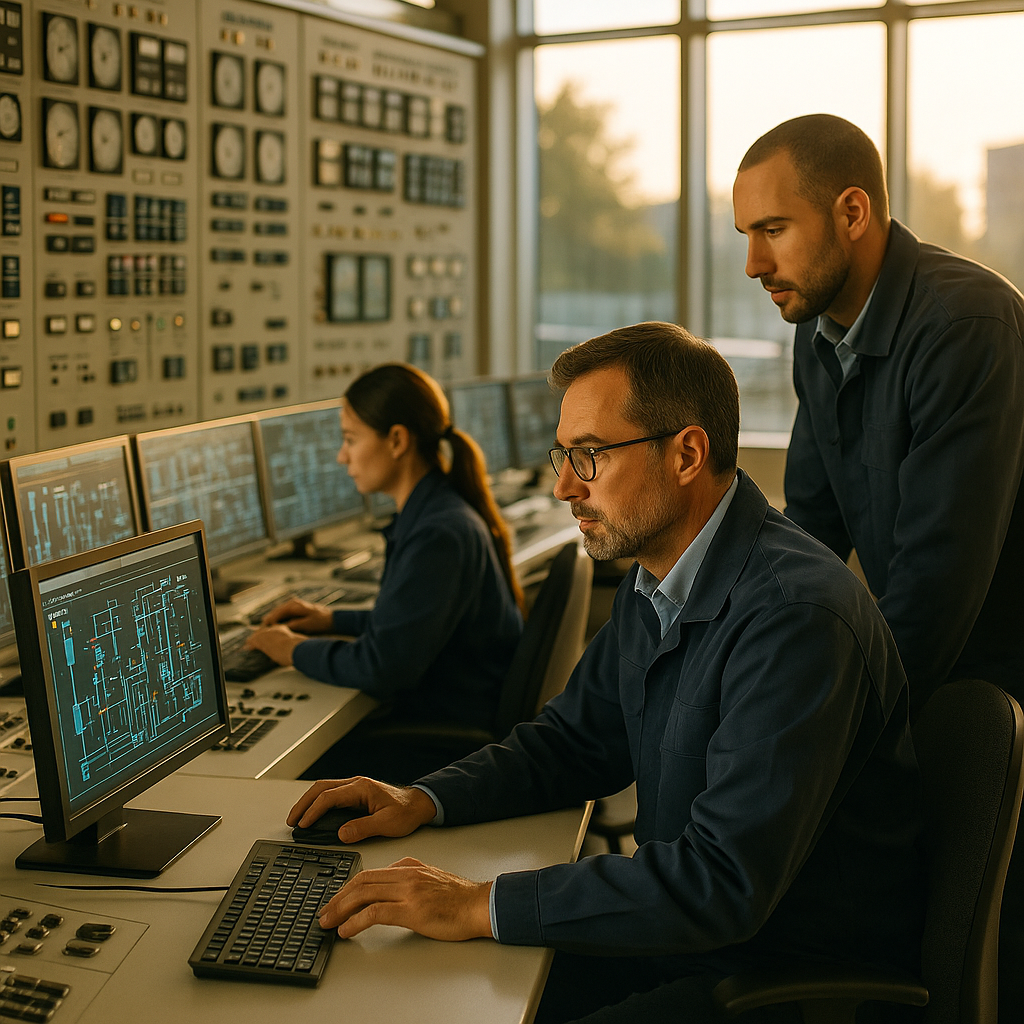
As of July 3, 2026, developments surrounding Iran's underground nuclear site have not only geopolitical implications but also significant ramifications for the global workforce engaged in nuclear technology and energy sectors. Recent expert evaluations reveal a growing unease regarding the secrecy and expansion of this facility and how it may reshape labor dynamics both regionally and internationally.
Strategic Workforce Implications
The continuing construction and operation of Iran's underground nuclear plant require highly specialized technical skills across engineering, safety, and regulatory compliance fields. Experts suggest that such clandestine expansions create a ripple effect on workforce management strategies due to restricted international cooperation and transparency.
Occupational safety and workforce training in environments with limited oversight present considerable challenges. Companies and nations involved in nuclear technology must adapt their labor recruitment, training programs, and strategic partnerships to account for increasing uncertainty in the region.
Impact on International Labor Mobility and Collaboration
The secrecy surrounding nuclear site operations limits opportunities for international knowledge exchange and cross-border workforce mobility, pivotal for innovation and safety standards in nuclear industries. This isolation risks stagnating workforce development in Iran while complicating global efforts to maintain cohesive nuclear safety protocols.
In response, multinational entities in the energy sector are reconsidering collaborative frameworks, often redirecting focus to regions with transparent regulatory environments to safeguard their human capital investments and mitigate operational risks.
Challenges for Workforce Compliance and Ethical Standards
The expansion of covert nuclear facilities introduces several compliance and ethical challenges in workforce management:
- Ensuring adherence to international nuclear safety and labor regulations in opaque environments.
- Addressing potential legal liabilities for companies indirectly involved in supply chains linked to restricted projects.
- Balancing workforce rights and protections amid limited governmental transparency.
- Navigating the geopolitical sensitivities which may restrict employee exchanges and skill transfers.
Organizations and workforce planners must therefore establish robust risk assessment models and contingency strategies to protect labor interests while aligning with evolving geopolitical realities.
Opportunities for Workforce Innovation and Resilience
Despite these challenges, the situation presents opportunities for innovation in workforce development, particularly through technological adoption and remote training solutions:
- Virtual reality and simulation-based training could circumvent limitations imposed by restricted access to physical sites.
- Enhanced cybersecurity measures in workforce communication and data handling protect sensitive technical knowledge.
- Decentralized labor models and outsourcing to compliant jurisdictions facilitate resilience in talent management.
Such innovations are critical to sustaining productivity and safety standards while adapting to the evolving landscape.
Conclusion
The situation surrounding Iran's underground nuclear infrastructure exemplifies the complexities facing the global workforce in highly sensitive and strategically critical sectors. Workforce planners, policy makers, and multinational corporations must collaborate proactively to navigate the dual imperatives of labor security and geopolitical risk mitigation. The integration of advanced training technologies, compliance vigilance, and strategic workforce resilience planning will be essential in responding to these emergent dynamics through the remainder of 2026 and beyond.










No comments yet. Be the first!