
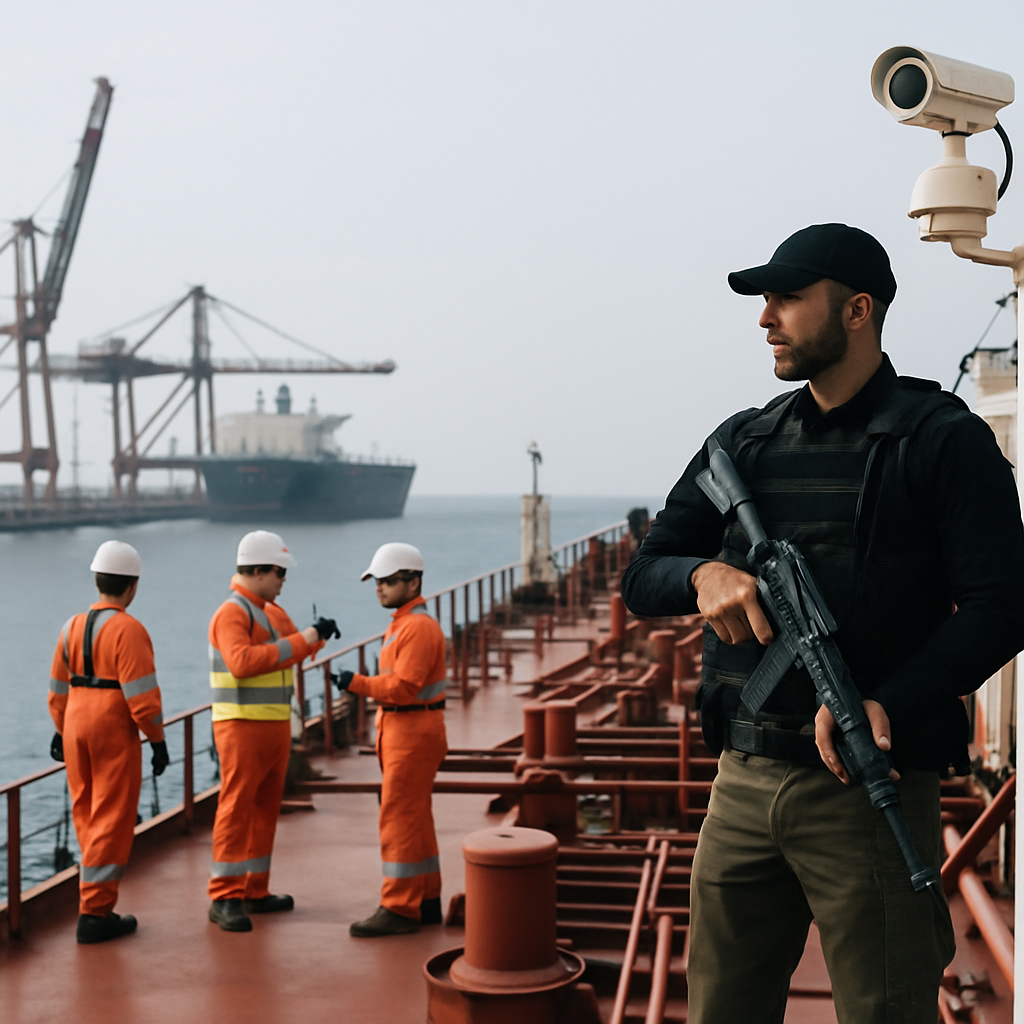
On August 16, 2026, heightened geopolitical friction around the Strait of Hormuz has presented complex challenges for the global workforce, especially within energy logistics, maritime security, and international trade sectors. Recent announcements from Iranian military leadership underscored an aggressive posture that is causing companies worldwide to reassess risk management and operational strategies.
Geopolitical Context and Workforce Implications
The Strait of Hormuz, a critical maritime chokepoint responsible for the transit of approximately one-fifth of global oil shipments, has once again become a flashpoint. While the announced bounty targeting foreign military personnel escalates regional tensions, it also directly impacts commercial activities and labor dynamics in related industries.
Organizations involved in shipping, port operations, and energy supply chains face uncertainty regarding personnel safety and operational continuity. This environment compels firms to enhance employee protection protocols and diversify supply routes, emphasizing workforce resilience and adaptability.
Challenges in Logistics and Maritime Operations
Shipping companies and global logistics providers are navigating increased insurance costs, regulatory scrutiny, and crew welfare concerns. Key issues include:
- Potential rerouting of vessels to avoid high-risk zones, leading to extended work shifts and increased fatigue among seafarers.
- Difficulty in crew changes due to travel restrictions and heightened security measures, impacting workforce rotation and morale.
- Necessity for specialized training in conflict zone navigation and crisis response tailored to maritime personnel.
Energy Sector Workforce Adjustments
The energy sector's workforce is contending with volatility in supply chains and fluctuating demand triggered by geopolitical instability. Oil production teams, refinery staff, and onshore support roles are adapting by:
- Implementing enhanced security protocols to safeguard infrastructure and personnel.
- Integrating remote monitoring and automation technologies to reduce human exposure to conflict zones.
- Upskilling employees to manage new technological systems adopted as a response to operational disruptions.
Strategic Corporate Responses and Workforce Development
Businesses worldwide are recalibrating their human resource policies to mitigate risks associated with the emerging geopolitical context. Strategic responses include:
- Strengthening mental health support and resilience training programs for employees working under stressful and uncertain conditions.
- Investing in cross-functional training to enable workforce flexibility and rapid redeployment as business needs evolve.
- Expanding collaboration with international organizations to ensure compliance with safety standards and personnel rights.
These measures highlight a growing recognition of workforce well-being as a critical component of global operational stability.
Looking Forward: Workforce Adaptability in a Volatile Environment
As the situation in the Strait of Hormuz continues to evolve, it is clear that workforce dynamics will remain at the forefront of global business considerations. Companies that proactively invest in employee safety, skill development, and adaptive management are better positioned to navigate the complexities of geopolitical tensions while maintaining operational effectiveness.
Conclusion
The intersection of geopolitical conflict and workforce management underscores the importance of strategic agility in today's interconnected economy. Maintaining an empowered, well-prepared, and resilient workforce is fundamental to overcoming the challenges presented by the tensions near the Strait of Hormuz and safeguarding global commerce moving forward.









No comments yet. Be the first!