
On October 13, 2026, a tragic event unfolded at the Great Wolf Lodge, a prominent family resort, where a female employee allegedly was involved in the deaths of two family members within a hotel room. The incident sent shockwaves through the hospitality industry, triggering urgent discussions regarding workforce safety, employee mental health support, and operational protocols in high-traffic leisure environments.
While the investigation continues, the event has spotlighted critical workforce challenges that resorts and related hospitality businesses must address to ensure guest safety and employee well-being. Industry leaders, human resources experts, and occupational safety specialists are calling for comprehensive reviews of training procedures and support systems to prevent similar occurrences.
Implications for Workforce Training and Safety Standards
The hospitality sector employs millions worldwide, often under stress-filled conditions that can affect employee performance and mental health. This incident highlights the compounded risks in environments where workforce interactions are continuous and guest safety is paramount.
Key areas identified include:
- Enhanced Employee Screening: Implementing more rigorous psychological and behavioral assessments during hiring to identify potential risks.
- Mental Health Resources: Expanding access to counseling and support services for staff to manage stress and trauma.
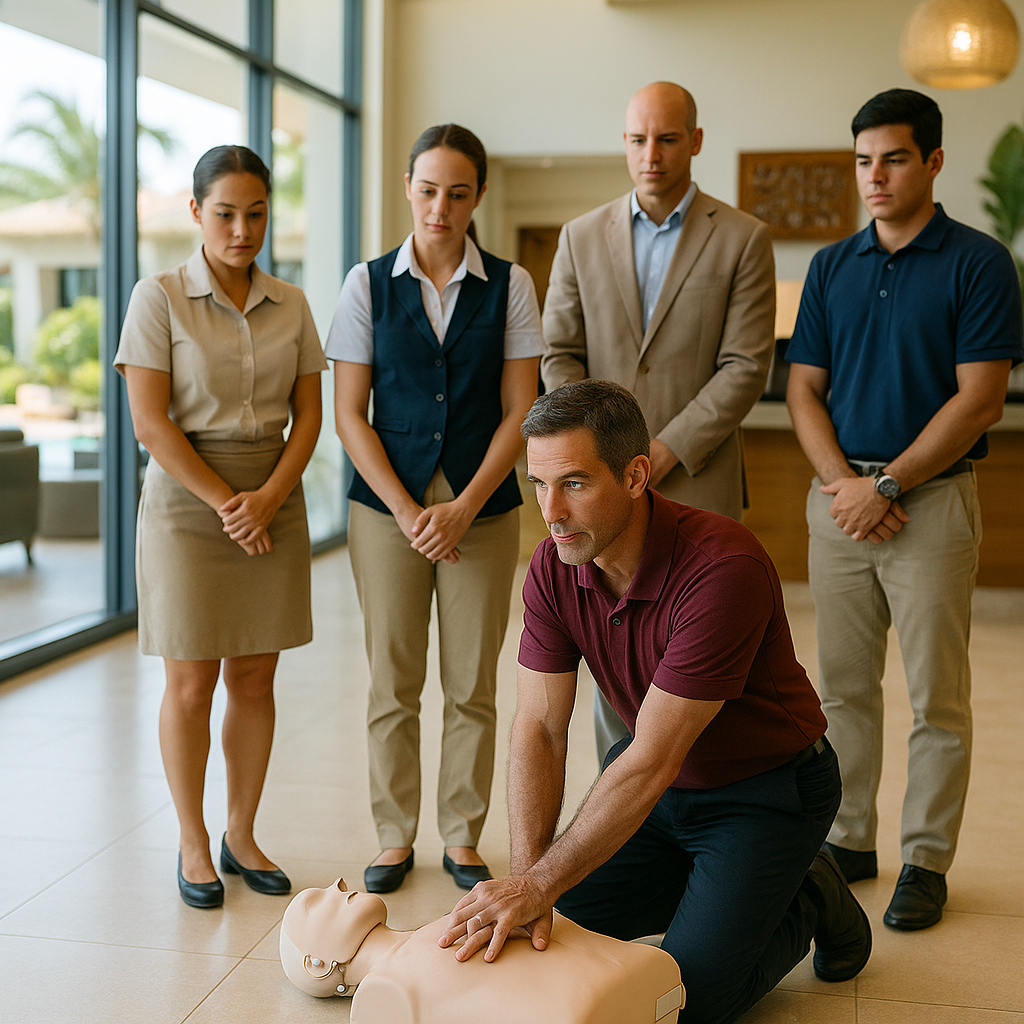
- Critical Incident Training: Equipping employees with skills to handle emergencies or unusual guest interactions effectively.
- Security Protocols: Revising surveillance and monitoring systems in sensitive areas without compromising guest privacy.
Challenges in Operational Management
The incident emphasizes the complexity of managing large-scale resorts where a balance must be struck between creating a welcoming atmosphere and maintaining strict security measures. Workforce managers are now assessing how to integrate technology-driven monitoring solutions with human oversight to improve safety outcomes.
Furthermore, there is a growing recognition that employee well-being directly correlates with guest safety and service quality. Investments in training programs focusing on emotional intelligence and crisis management are becoming essential components of workforce development in hospitality.
Industry Reactions and Forward-Looking Strategies
Following the tragedy, several hospitality companies have announced plans to revisit their workforce management frameworks. Initiatives under consideration include:
- Adopting AI-powered tools for behavior analytics to proactively detect potential issues.
- Creating cross-disciplinary teams combining human resources, security, and mental health professionals to oversee worker performance and welfare.
- Incorporating frequent scenario-based drills that simulate crisis situations, improving staff readiness.
Experts stress that workforce resilience and robust safety protocols are indispensable to sustaining trust in family-oriented leisure destinations.
Conclusion
The incident at Great Wolf Lodge serves as a tragic catalyst for a deep reevaluation of workforce practices in the hospitality industry. Ensuring safety, mental health support, and crisis preparedness among employees will likely become industry standards moving forward. These changes aim not only to protect guests but also to foster healthier work environments that enable employees to perform at their best under pressure.








No comments yet. Be the first!