
On August 28, 2026, a significant judicial ruling was delivered that dismissed the confession of Khalid Sheikh Mohammed, alleged mastermind behind the September 11 attacks, within a trial that has extended over two decades.
While the case itself remains a pivotal moment in United States legal and security history, the prolonged nature of such high-profile legal proceedings draws attention to critical challenges in workforce management, especially within the judicial and correctional institutions involved.
Extended Trials and Workforce Challenges
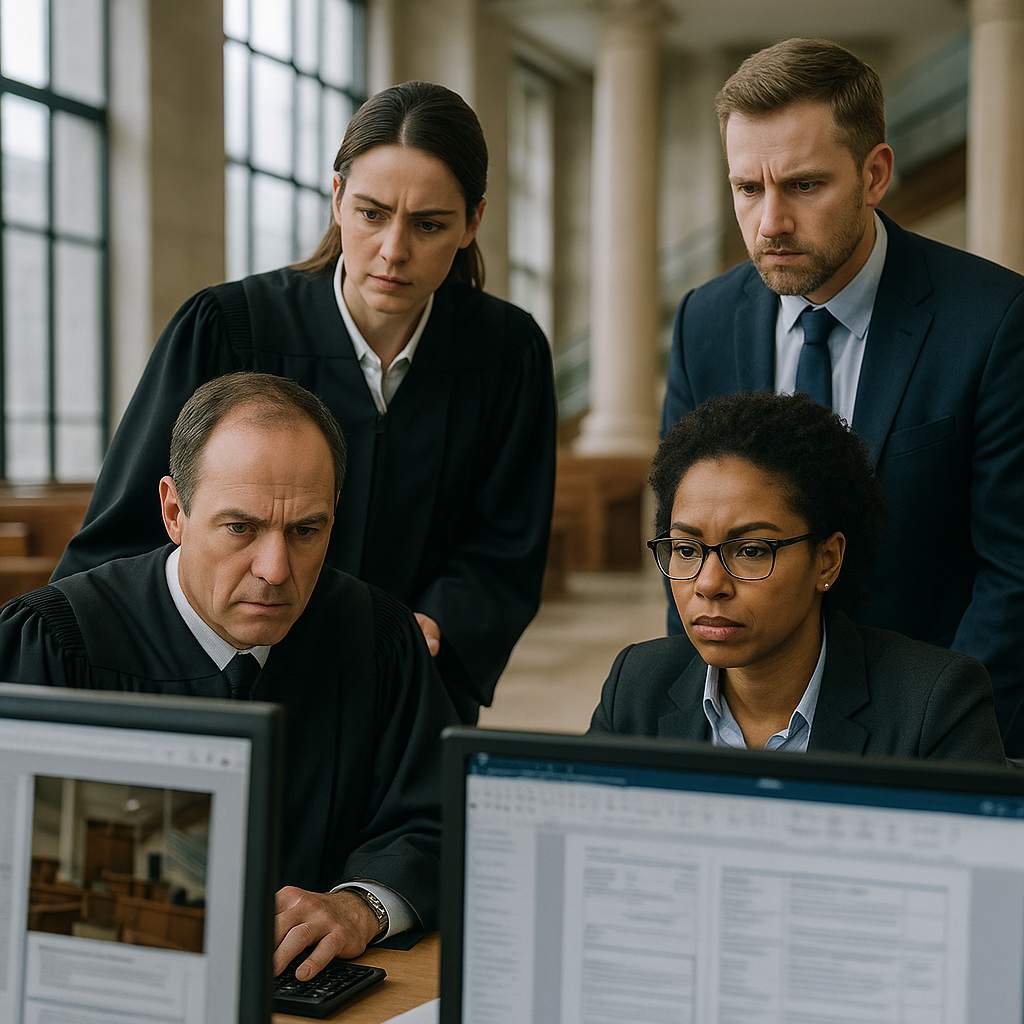
Long-duration cases, like the ongoing one against Mohammed, exert unprecedented pressures on the workforce engaged in various capacities—judges, attorneys, administrative staff, security personnel, and others.
These pressures manifest as:
- Resource Strain: Prolonged trial timelines necessitate sustained allocation of human and financial resources, impacting the workload and morale of involved professionals.
- Staff Turnover: Extended commitments can lead to increased burnout and turnover, challenging institutional memory and continuity.
- Operational Complexity: Managing evidence, testimonies, and procedural adaptations over decades requires highly adaptive and resilient workforce models.
Impact on Judicial and Support Staff Development
The ongoing 9/11 trial showcases the need for continuous professional development tailored to long-span cases. Staff must be proficient in evolving legal standards, technological tools for case management, and psychological resilience.
Organizations must implement strategies including:
- Targeted training in case management software and data security
- Wellness programs to mitigate occupational stress
- Succession planning to preserve knowledge continuity
Lessons for Workforce Planning in Legal Contexts
This case exemplifies that legal proceedings of exceptional length affect not only justice outcomes but also shake the foundational workforce structures supporting them.
The following lessons emerge:
- Proactive Resource Management: Anticipating long-term demands to prevent resource depletion.
- Flexible Staffing Models: Incorporating contingent and rotational staffing to maintain operational balance.
- Integration of Technology: Utilizing advancements to streamline bureaucratic tasks and reduce manual workload.
Conclusion
The dismissal of critical evidence in such a decades-long trial underlines the complex workforce realities faced by institutions managing prolonged legal battles. Addressing these challenges through strategic planning and support mechanisms is vital for sustaining an effective justice system and ensuring institutional resilience amid extraordinary operational demands.










No comments yet. Be the first!