
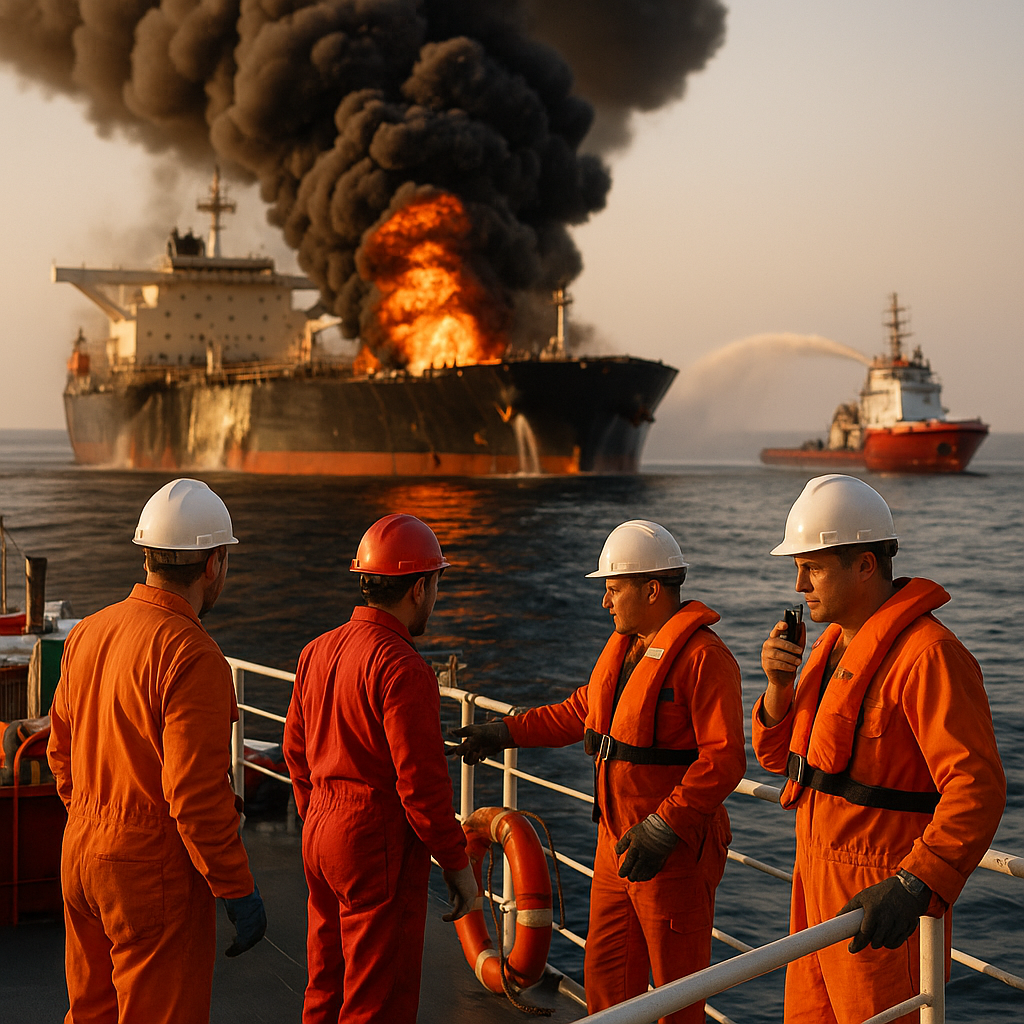
July 26, 2026 marks a critical moment for the global workforce as an enormous explosion rocked a major oil tanker navigating the strategic Strait of Hormuz. This crucial waterway, responsible for the transit of nearly a third of the world's seaborne oil, is a linchpin for international energy supply chains and labor markets tied to maritime and energy industries.
Contextualizing the Incident within Global Workforce Trends
The tanker, struck by a sea mine, suffered catastrophic damage resulting in a massive explosion. While immediate humanitarian and environmental concerns dominate headlines, the longer-term workforce implications require scrutiny. Workers within the maritime transport sector, offshore oil extraction, and global supply chains face amplified uncertainties and operational risks.
Energy companies and maritime operators must now address heightened safety protocols, disrupt traditional labor schedules, and potentially recalibrate their workforce strategies to align with increasing geopolitical volatility around energy corridors.
Sector-Specific Labor Challenges
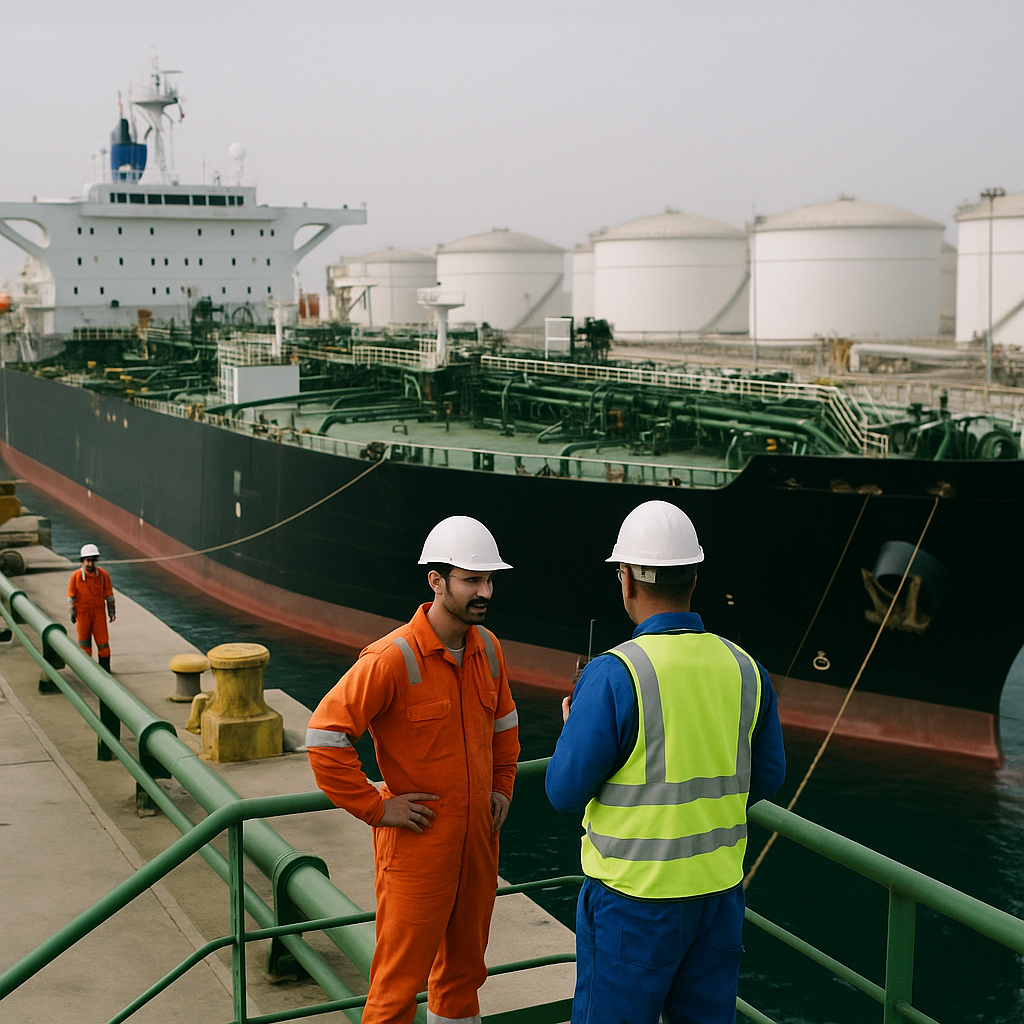
- Maritime Workforce: Seafarers and support personnel are on the frontline of elevated hazard exposure. The explosion exacerbates pressure on crew retention and necessitates enhanced crisis training and psychological support.
- Energy Sector Employees: Offshore platforms and onshore facilities face fluctuating operational demands and potential supply disruptions, triggering shifts in workforce deployment and contingency staffing.
- Logistics and Supply Chain Workers: Delays and rerouting of crude oil shipments affect downstream jobs ranging from refining to transportation and sales, highlighting workforce adaptability as a business imperative.
Increasing the Resilience and Adaptability of Global Workforces
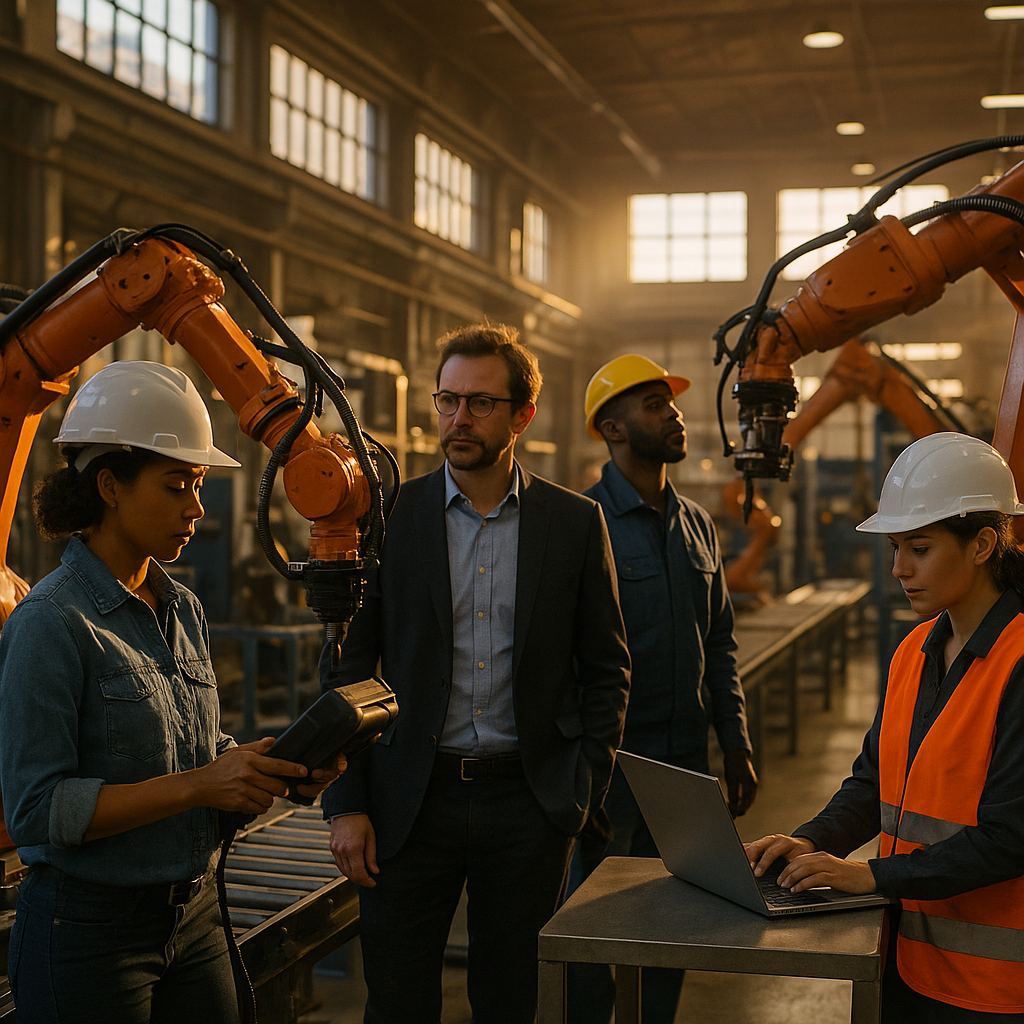
In response to such incidents, organizations are investing in technology-driven solutions and workforce training programs designed to enhance operational resilience. Automation, remote monitoring, and AI-based risk assessment tools are increasingly integrated to mitigate human risk and streamline emergency responses.
Moreover, collaborative international labor standards and crisis management frameworks are undergoing review to better protect workers engaged in high-risk environments.
Implications for Future Workforce Development
The explosion underscores critical vulnerabilities within the global workforce tied to energy supply routes. It also accelerates the demand for multi-skilled labor capable of navigating complex environments influenced by geopolitical and environmental risks.
Workforce planning now increasingly factors in geopolitical intelligence, enhanced safety culture, and agile operational models. Investment in workforce well-being, technological upskilling, and cross-sector partnerships will be decisive in shaping a more sustainable labor landscape.
Conclusion
As the world watches the unfolding situation in the Strait of Hormuz, the workforce implications ripple far beyond immediate crisis management. This event compels energy and maritime industries to innovate human capital strategies, emphasizing resilience, adaptability, and comprehensive risk mitigation to safeguard vital economic arteries and the workers reliant on them.










No comments yet. Be the first!