
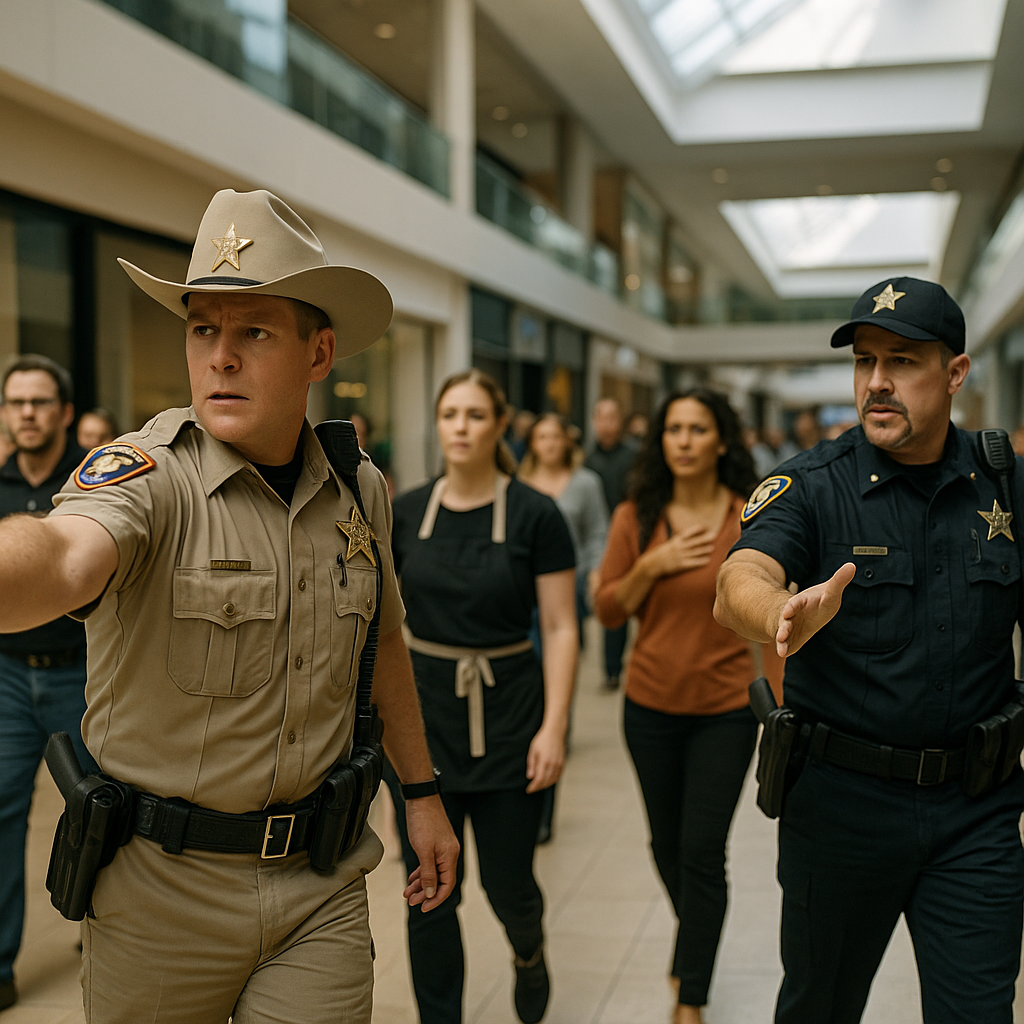
On July 25, 2026, an active shooter situation unfolded at a prominent shopping mall in Texas, leading to immediate law enforcement intervention and evacuation protocols involving thousands of employees and visitors. The incident, which resulted in one reported injury and a suspect detained by police, highlights the increasing complexity of workplace safety management in high-density retail environments.
Workforce Impact and Emergency Response
The swift lockdown and evacuation required coordinated efforts among mall security teams, first responders, and local law enforcement agencies. Employees across various retail and service roles were compelled to follow emergency procedures, emphasizing the critical need for routine drills and clear communication channels within large workforce populations.
Such incidents place acute psychological and operational pressures on employees, who must balance immediate self-protection with customer safety and logistical continuity. Furthermore, the rapid police containment of the suspect assured a limit to physical harm but underscores the unpredictability that modern workforce environments face.
Rethinking Safety Protocols in Retail Workspaces
The Texas mall event serves as a catalyst for the retail sector to re-examine existing safety frameworks. Employers are increasingly tasked with integrating advanced security technologies and comprehensive training programs tailored to workplace violence prevention and crisis management.
- Incorporation of mass notification systems to expedite communication during emergencies.
- Enhanced employee training focusing on situational awareness and rapid evacuation procedures.
- Collaboration with law enforcement to develop response plans sensitive to the unique dynamics of shopping centers.
- Investment in surveillance and threat detection technologies aimed at early incident identification.
Psychosocial Considerations for the Workforce
Beyond immediate physical safety, incidents like this necessitate employer-led mental health support initiatives. The trauma associated with active shooter events can have lasting effects on worker well-being and productivity. Businesses are encouraged to deploy critical incident stress management and counseling services to aid affected personnel.
Broader Implications for Workforce Management
While such events remain statistically infrequent, the implications for workforce management are substantial. They press organizations to foster resilient work environments where preparedness and employee empowerment mitigate risk. Comprehensive safety policies, regularly updated and communicated, become integral to sustaining operational stability.
Conclusion
The July 25 active shooter event at a Texas mall is a poignant reminder of the evolving challenges in ensuring workforce safety in public and commercial spaces. It underscores the necessity for integrated security strategies, employee preparedness, and sustained mental health support to safeguard workers and maintain organizational resilience against unforeseen crises.











No comments yet. Be the first!