
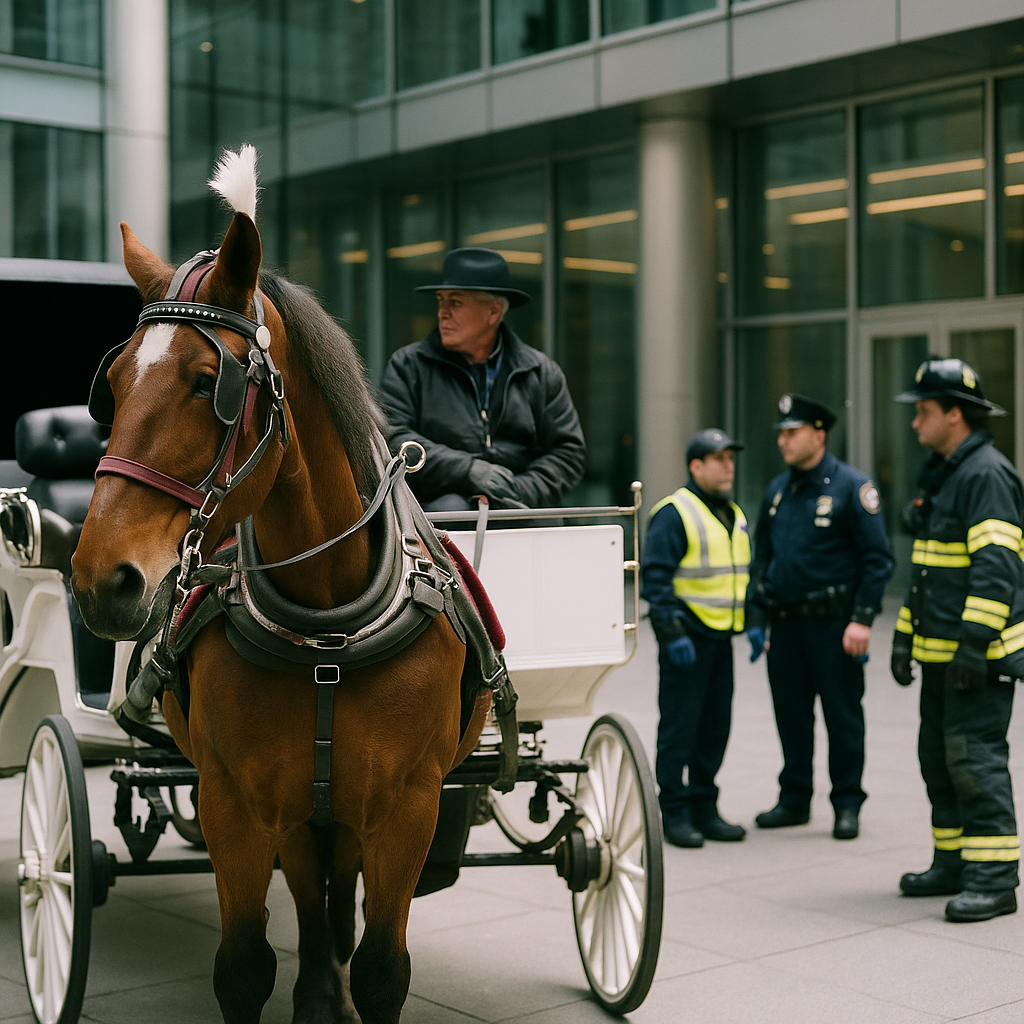
On June 17, 2026, a fatal incident involving a horse-drawn carriage transpired near one of New York City's key tourist attractions. A horse pulling the carriage bolted unexpectedly, leading the carriage to flip and tragically causing the death of a teenage passenger.
This event draws attention to the broader topic of workforce safety and animal handling within New York City's tourism industry, specifically in sectors reliant on traditional transportation methods such as horse-drawn carriages. As the global workforce continues to evolve, the safety protocols governing industries that blend human labor, animal welfare, and public engagement require rigorous examination and updating.
Impact on Tourism Workforce Safety Standards
The horse-drawn carriage sector employs dozens of workers ranging from drivers to animal caretakers. The recent accident underscores vulnerabilities, particularly in emergency preparedness and risk management training for personnel in roles involving direct animal control.
Current oversight and regulatory frameworks have been challenges in ensuring uniform safety standards across the industry. Key issues identified include:
- Variable qualifications and training requirements for carriage operators.
- Limited standardized emergency response protocols for incidents involving animals and passengers.
- Concerns about animal health and behavior management impacting worker and passenger safety.
Broader Implications for Workforce Management in Traditional Tourism Services
While modern tourism increasingly relies on digital solutions and mechanized transport, sectors anchored in heritage and tradition continue to engage diverse workforce segments, preserving cultural experience but also introducing unique operational risks.
Human resources management in these domains faces several challenges:
- Balancing the preservation of traditional services with enhanced safety and welfare standards.
- Investing in comprehensive training programs incorporating animal behavior science and crisis management.
- Strengthening regulatory oversight to align with contemporary occupational health and safety norms.
Strategies for Improving Workforce Safety Moving Forward
In response to incidents like the one on June 17, 2026, city officials and industry stakeholders are urged to collaborate on initiatives that:
- Develop and enforce standardized certification programs for carriage operators emphasizing safety and animal handling.
- Implement technology-assisted monitoring systems to anticipate and mitigate risks during carriage operations.
- Enhance transparency and reporting mechanisms related to incidents and near-misses to foster continuous improvement.
- Promote cross-sector forums and training workshops to share best practices in workforce safety and animal care.
The integration of these strategies is vital not only to safeguard workers and passengers but also to sustain the reputation and economic vitality of New York City's heritage tourism industry.
Conclusion
The tragic carriage accident serves as a sobering reminder of the challenges inherent in blending human labor with living elements within the tourism workforce. Advancing workforce safety through targeted training, standardized protocols, and technological innovation is essential to protect employees, visitors, and animals alike. Such efforts reaffirm New York City's commitment to maintaining a world-class, safe, and sustainable tourism environment that honors its rich traditions while adapting to contemporary workforce expectations.









No comments yet. Be the first!