
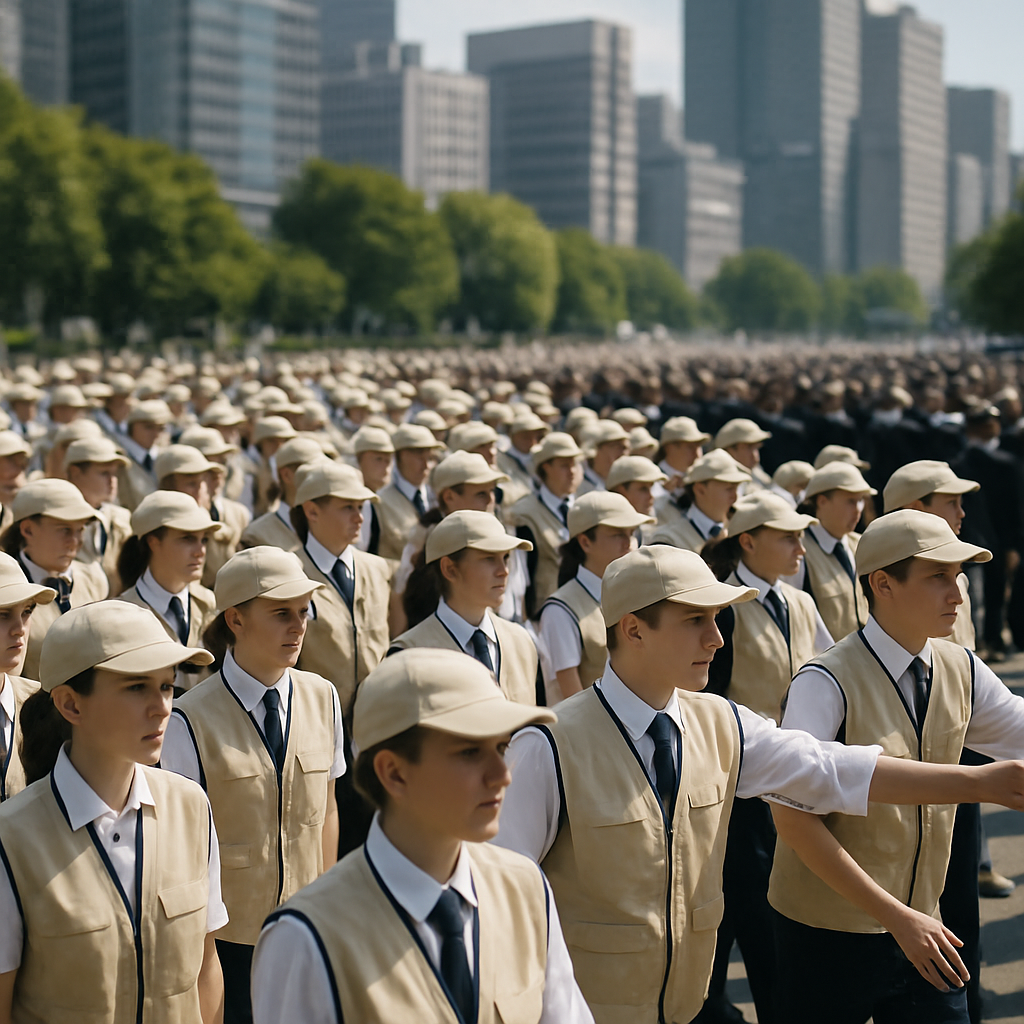
As of July 2, 2026, Iran faces a pivotal moment in its leadership transition, generating profound implications for its labor structures and workforce mobilization. Reports focusing on the logistical and organizational measures being activated in the wake of the Iranian Supreme Leader’s impending farewell reveal critical insights into the intersection of political events and workforce dynamics.
Mobilization of Iran’s Workforce Amid Political Transition
The mobilization efforts led by the Basij, a paramilitary volunteer militia, underscore the state's reliance on coordinated human resource deployment to manage large-scale ceremonial responsibilities. This scenario presents a case study on how governments can effectively orchestrate mass workforce mobilization under stringent timelines and heightened political sensitivities.
Key elements of this mobilization include:
- Rapid coordination: Deployment of thousands of volunteers emphasizing discipline, organizational skills, and adherence to directives.
- Logistical management: Coordination of transport, accommodation, and crowd control measures, necessitating multifaceted workforce roles and capabilities.
- Operational resilience: Maintaining effective communication channels and contingency planning amid evolving circumstances.
Impact on National Labor Dynamics
The current circumstances illustrate the intersection of sociopolitical factors with labor market functions in Iran. Large-scale mobilization initiatives such as these influence local employment patterns, presenting both challenges and opportunities:
- Short-term employment surge: An influx of temporary positions related to event management, security, and logistics.
- Skill development: Enhanced capabilities in crisis management, teamwork, and large-event coordination transferable to various sectors.
- Strain on regular labor markets: Temporary withdrawal of workers to fulfill mobilization duties can disrupt standard economic activities.
Global Workforce Considerations
This leadership transition and its associated mobilization efforts carry broader implications for global workforce trends, particularly in regions where political events demand mass mobilization of human capital.
Insights gleaned from Iran’s current mobilization strategies could inform multinational organizations, governments, and workforce planners on:
- Contingency labor planning: Preparing for unexpected workforce needs during political or social upheaval.
- Cross-sector collaboration: Leveraging military, volunteer, and civilian sectors for robust human resource responses.
- Technological integration: Utilizing data and communication technologies to enhance coordination efficiency.
Challenges in Workforce Management During Political Transitions
The unfolding situation in Iran highlights specific challenges that are relevant worldwide when managing workforces amid significant political events:
- Maintaining morale and motivation: Ensuring workforce engagement while navigating uncertain environments.
- Balancing between temporary mobilization and economic stability: Mitigating adverse economic impacts while fulfilling mobilization needs.
- Ensuring inclusivity and fair labor practices: Addressing potential inequalities within rapid workforce expansions.
Conclusion
The developments in Iran serve as a critical lens for examining how large-scale workforce mobilization integrates with political transitions. For global workforce stakeholders, the current Iranian context offers important lessons on agility, coordination, and resilience in workforce management during periods of intense social and political change. Understanding these dynamics will be essential for organizations and governments aiming to adapt to an increasingly complex global labor environment.









No comments yet. Be the first!