

On October 10, 2026, reflections from a veteran survivor of the Fort Hood shooting in 2009 provide an opportunity to analyze workforce resilience and crisis management strategies within global organizations. The survivor, who was shot seven times during the tragic event, shared insights that extend beyond personal trauma to encompass broader implications for employee safety and mental health support in demanding work environments.
Lessons in Trauma and Recovery in the Workforce
Workplace violence and traumatic events represent critical challenges that can deeply impact employee well-being and organizational productivity. The survivor’s experience highlights the urgency for companies worldwide to prioritize mental health frameworks capable of supporting employees through crisis events.
His testimony underscores that recovery is a multifaceted journey, needing a combination of psychological support services and organizational policies tailored to mitigate post-traumatic stress. Modern workforce strategies must thus include comprehensive plans to handle emergencies while fostering environments that promote psychological safety and resilience.
The Importance of Crisis Preparedness in Global Workplaces
In today’s interconnected world, workplaces face diverse risks ranging from physical security threats to natural disasters and cyberattacks. The Fort Hood survivor’s warning serves as a catalyst for organizations to enhance their crisis preparedness measures with an emphasis on:
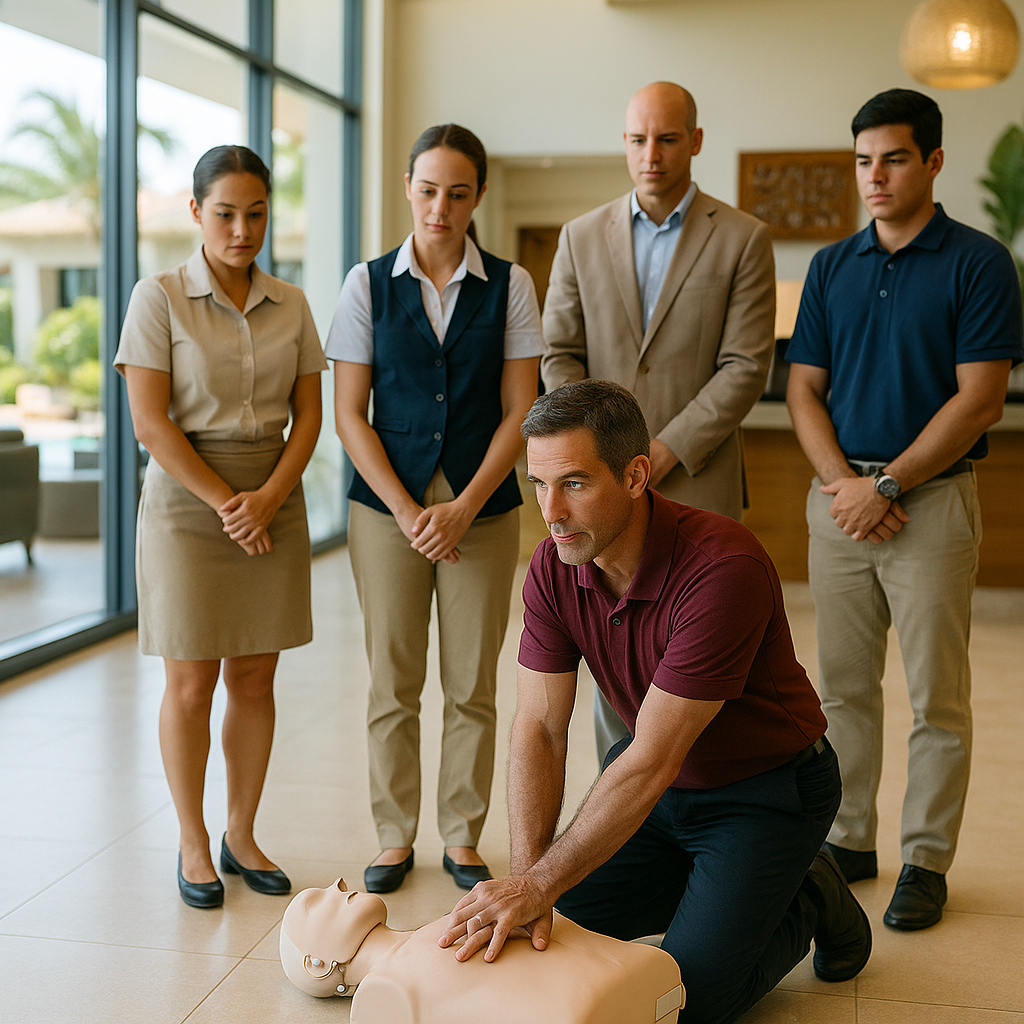
- Employee Education and Training: Regular drills and workshops that train staff to respond effectively to emergencies.
- Communication Systems: Robust, reliable channels that ensure timely dissemination of information during incidents.
- Post-Incident Support: Access to counseling and rehabilitation resources to assist employees in recovery.
- Physical and Digital Security Upgrades: Investment in technologies and infrastructure to detect and prevent threats.
Workforce Adaptation and Mental Health Prioritization
Adapting to a workforce landscape shaped by heightened awareness of safety concerns involves integrating mental health as a core component of corporate culture. Employers are increasingly recognizing that resilience goes hand in hand with employee engagement and retention.
Furthermore, the survivor’s perspective stresses that observing or being involved in traumatic events—directly or indirectly—has repercussions that extend beyond immediate physical harms. Organizations with proactive mental health initiatives can mitigate long-term psychological effects and sustain high-performance workforces.
Global Implications and Cross-Sectoral Learning
The lessons drawn from experiences such as the Fort Hood massacre prompt a global reevaluation of workforce safety protocols. From healthcare and education to manufacturing and technology sectors, enhancing employee protection remains a prioritized agenda.
Collaborations between private sector entities and governmental institutions are increasingly vital to develop standardized emergency response models. Such efforts promote resilience at organizational and community levels, ultimately benefiting the entire global labor market.







No comments yet. Be the first!