
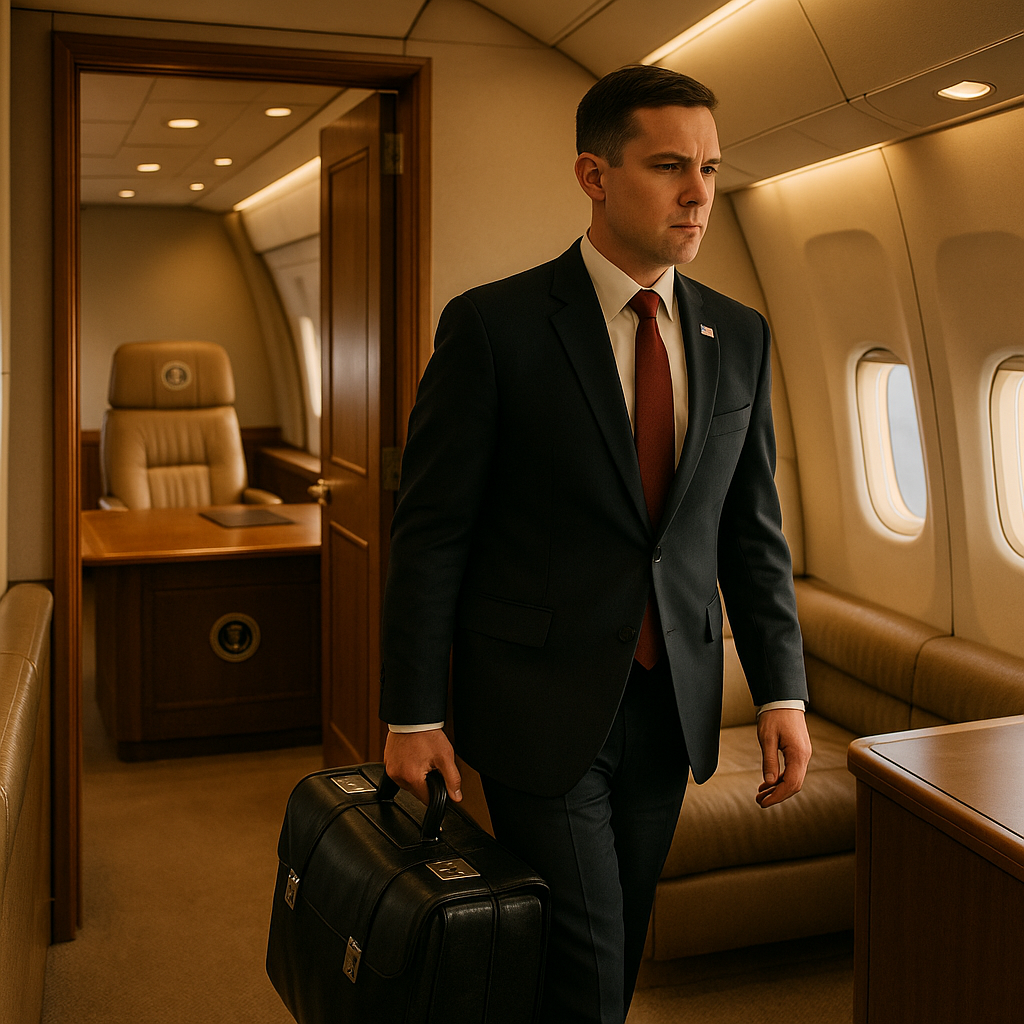
On August 13, 2026, reflections from a former military officer who once carried the nuclear football during the Clinton presidency shed light on crucial security and operational challenges faced by personnel in roles of immense responsibility. His candid revelations underscore the complexities and pressures embedded within high-authorization work environments, offering vital lessons for the management of global workforce security protocols.
Background and Context
The nuclear football is a briefcase that accompanies the President of the United States at all times, containing communication tools and authentication codes necessary for launching nuclear weapons. The officer recounts persistent concerns about safety and decision-making during air travel aboard Air Force One, emphasizing moments that tested procedural rigor and the agility of personnel.
Workforce Challenges in High-Stress Operational Roles
This testimony reveals multifaceted challenges faced by workforce members entrusted with national security responsibilities:
- Psychological Pressure: The constant awareness of the implications of their role exerts unparalleled mental stress.
- Procedural Rigidity vs. Flexibility: Balancing strict protocols with the need for quick adaptation during unforeseen incidents.
- Security and Trust: Maintaining absolute confidentiality and trustworthiness amid intense scrutiny.
These elements constitute a reference framework for broader organizational contexts where workforce reliability under pressure directly impacts operational outcomes and security.
Implications for Global Workforce Management
In multinational organizations and critical infrastructure sectors, the lessons from this narrative emphasize the necessity of:
- Robust Training Programs: Ensuring personnel are prepared not only technically but psychologically for crisis scenarios.
- Dynamic Protocol Design: Developing workflows that allow personnel the flexibility to manage emergent risks without compromising safety.
- Continuous Risk Assessment: Incorporating real-time threat evaluation mechanisms into workforce management strategies.
By extracting insights from elite security environments, companies can better tailor their human capital policies to safeguard critical operations and enhance resilience.
Technological Integration and Human Factors
The officer highlights the interplay between technology and human operators, noting that while advanced devices augment capability, ultimate accountability rests on trained individuals capable of decisive action. This underscores the importance of ongoing investment in workforce skill development aligned with emerging technologies.
Conclusion
As the global workforce increasingly encounters complex operational landscapes, the insights provided by this exclusive perspective offer valuable guidance for leaders. Emphasizing psychological resilience, procedural adaptability, and integrated risk management is fundamental to securing both human and technological assets in high-stakes environments.










No comments yet. Be the first!