

On September 29, 2026, Iran openly expanded its geopolitical influence by opening a new tactical front, sending a direct message targeting American interests. While these developments might initially appear confined to political and military domains, their repercussions are increasingly evident within the global workforce landscape.
Global Workforce Implications of Rising Regional Tensions
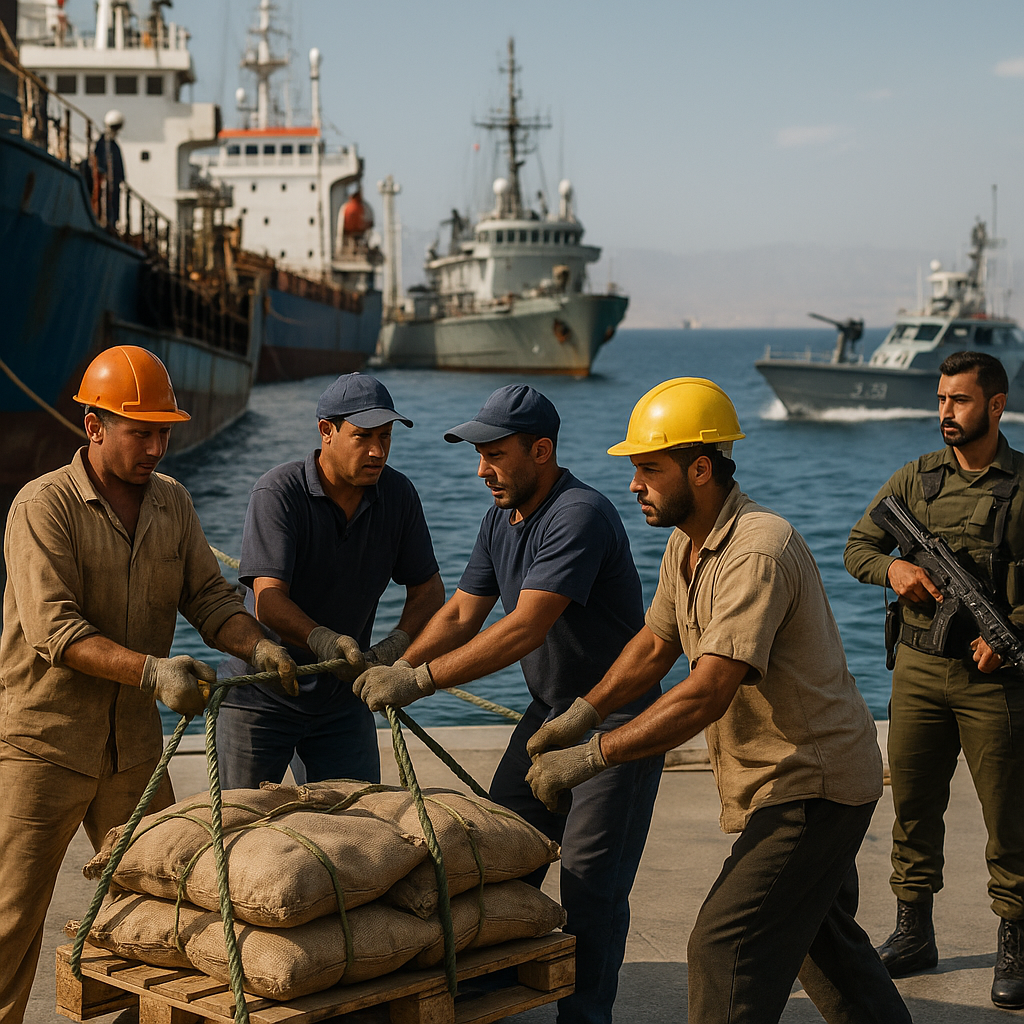
The escalation in tensions centered around the Strait of Hormuz—a pivotal maritime chokepoint—triggers substantial concerns for international trade and labor markets. This narrow waterway is a critical artery for global oil transportation, and disruptions could have cascading effects on global energy prices and, consequently, production costs and employment patterns across industries worldwide.
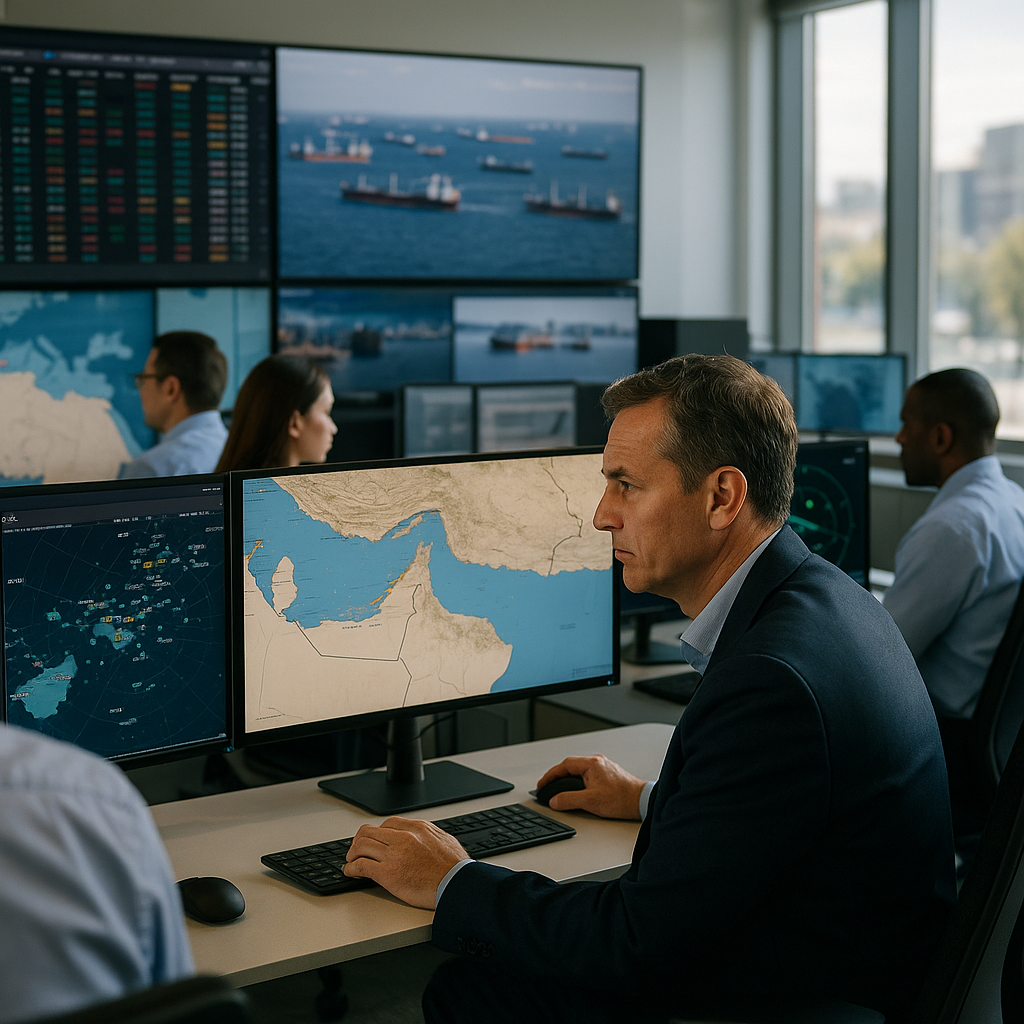
Businesses and labor forces reliant on stable supply chains must now contend with growing risks, which in turn prompt adjustments in talent deployment, operational resilience, and workforce flexibility. Companies with international footprints are increasingly adopting strategic workforce planning that accounts for geopolitical risk, including potential operational relocations and remote work expansions.
Shifts in Workforce Strategy and Supply Chain Management
Executives and human capital leaders are recalibrating policies to mitigate the impact of potential conflict spillovers. Key trends emerging include:
- Remote work adoption: Accelerated reliance on virtual collaboration tools allows firms to maintain productivity despite regional instability.
- Diversification of talent pools: Organizations seek talent in lower-risk locales, reducing dependence on vulnerable regions.
- Investments in workforce resilience: Reskilling and upskilling programs equip employees to adapt to abrupt operational changes.
Geopolitical Risk as a Factor in Workforce Planning
Increasingly, the assessment of geopolitical dynamics has become integral to workforce strategy. For multinational corporations and global labor recruiters, understanding how these tensions affect labor mobility, expatriate assignments, and on-site personnel safety protocols is essential.
Particularly, industries such as energy, logistics, and manufacturing face operational uncertainties that ripple into workforce availability and costs. The perception of risk may influence talent attraction and retention in affected regions, compelling companies to balance local expertise against global operational continuity.
Emerging Challenges and Opportunities
The current geopolitical climate presents both obstacles and openings for workforce management:
- Challenges: Heightened security concerns, supply chain fragility, labor displacement, and increased operational costs.
- Opportunities: Innovation in remote work technologies, deeper investment in employee development for agility, and strategic global talent reallocation.
Conclusion
While the immediate headlines focus on military and diplomatic developments, the evolving geopolitical tensions led by Iran's actions in the Strait of Hormuz profoundly influence the global workforce ecosystem. Organizations must increasingly integrate geopolitical risk analysis into workforce planning to secure resilience and continuity amid uncertainty. This enhances the strategic agility necessary for sustaining productivity and competitive advantage in an era where global stability cannot be taken for granted.









No comments yet. Be the first!