
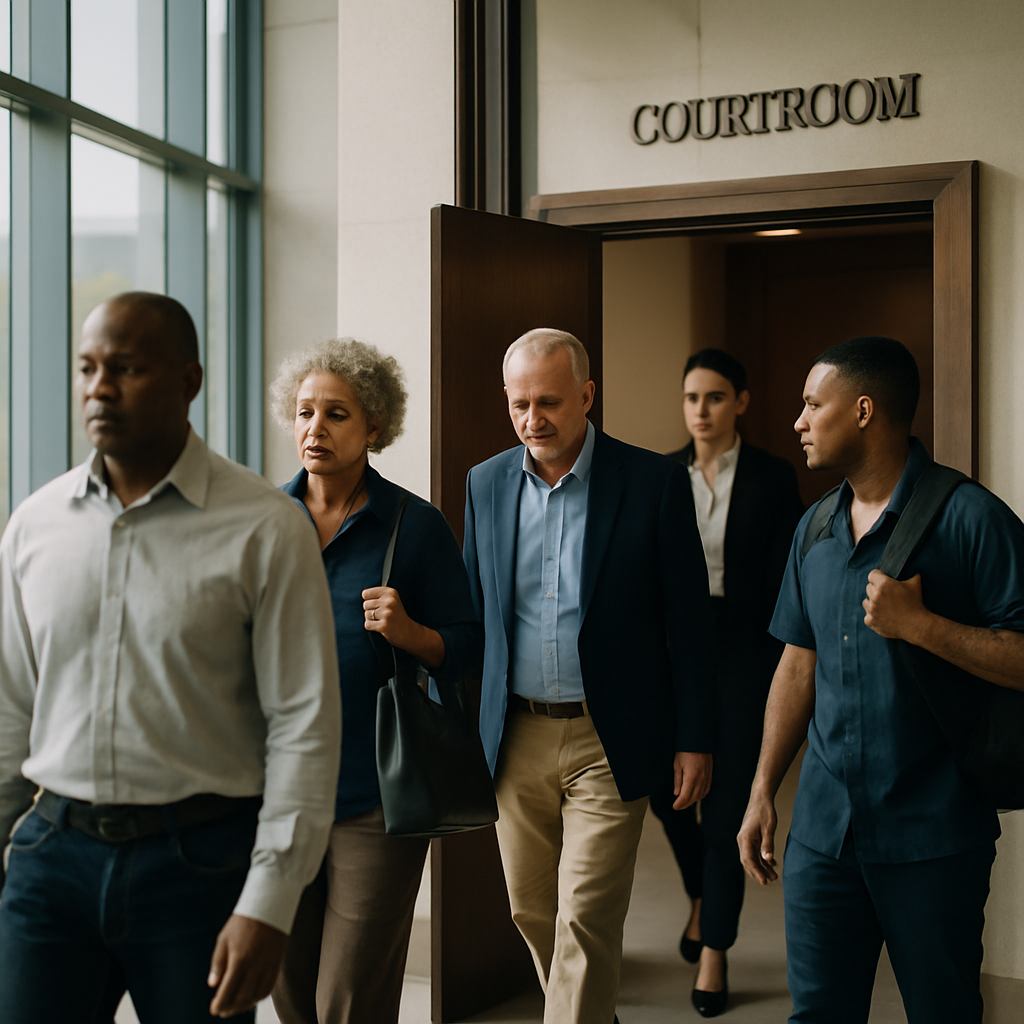
June 10, 2026 marks a defining moment in the ongoing legal saga of Karmelo Anthony, who is currently confronting a prison sentence accompanied by potential isolation. This development goes beyond the courtroom, highlighting significant issues related to the reintegration of justice-involved individuals into the workforce.
Contextualizing the Case and Workforce Reentry
The case of Mr. Anthony, who has been appealing his conviction, serves as a lens through which to explore the intersection of criminal justice and workforce dynamics. While the legal proceedings continue, the looming prison stint foregrounds the profound challenges that incarceration - especially solitary confinement - imposes on a person’s ability to adapt and succeed in professional environments post-release.
Reintegrating into the workforce after incarceration remains a multifaceted challenge worldwide, heavily influenced by the psychological and social impacts of confinement coupled with systemic barriers such as stigma, loss of skills, and disrupted employment histories.
Isolation in Prison: Effects on Mental Health and Employability
Prison isolation, known for its harsh effects on mental health, significantly undermines rehabilitation efforts and the development of workplace competencies. Studies indicate that prolonged solitary confinement can exacerbate anxiety, depression, and cognitive impairments, effectively reducing employability prospects upon release.
For individuals like Anthony, whose situation involves potential isolation, the challenge becomes twofold:
- Mental Health Deterioration: Isolation can severely impair psychological resilience and social skills crucial for professional collaboration.
- Skill Retention and Development: Limited access to educational and vocational programs in isolation restricts opportunities for skill acquisition necessary for modern workplaces.
Global Workforce Reintegration Challenges
Worldwide, governments and private sectors increasingly recognize workforce reintegration of formerly incarcerated individuals as pivotal to social and economic stability. Nonetheless, barriers persist, including:
- Employer Reluctance: Many companies remain hesitant to hire individuals with criminal records due to perceived risks.
- Gaps in Training and Education: Prison systems often do not provide comprehensive workforce readiness programs, complicating reentry.
- Policy Limitations: Inconsistent legal frameworks across regions can hinder seamless workforce reintegration.
In the U.S., where Mr. Anthony is based, recent efforts aim to support such transitions through advocacy for policy reforms and expanded access to vocational training. These initiatives strive to reduce recidivism and promote economic self-sufficiency.
Lessons from the Karmelo Anthony Case for Employers and Policymakers
While the specifics of Mr. Anthony’s legal case remain under judicial review, employers and policymakers can draw broader lessons regarding the importance of inclusive workforce strategies. These include:
- Developing Supportive Work Environments: Encouraging employers to implement hiring practices that accommodate individuals with complex backgrounds.
- Investing in Rehabilitation Programs: Enhancing prison education and mental health services, especially for those subjected to isolation, to better prepare them for employment.
- Fostering Public-Private Partnerships: Creating collaborations that facilitate job placements and continuous support for formerly incarcerated workers.
Conclusion
The unfolding scenario surrounding Karmelo Anthony illustrates critical intersections between the criminal justice system and the global workforce. Addressing the repercussions of incarceration and isolation on employability is essential for creating equitable labor markets and reducing social inequalities.
As of June 10, 2026, the broader conversation should emphasize rehabilitative justice and workforce inclusion as key components in fostering economic resilience and social cohesion worldwide.








No comments yet. Be the first!