
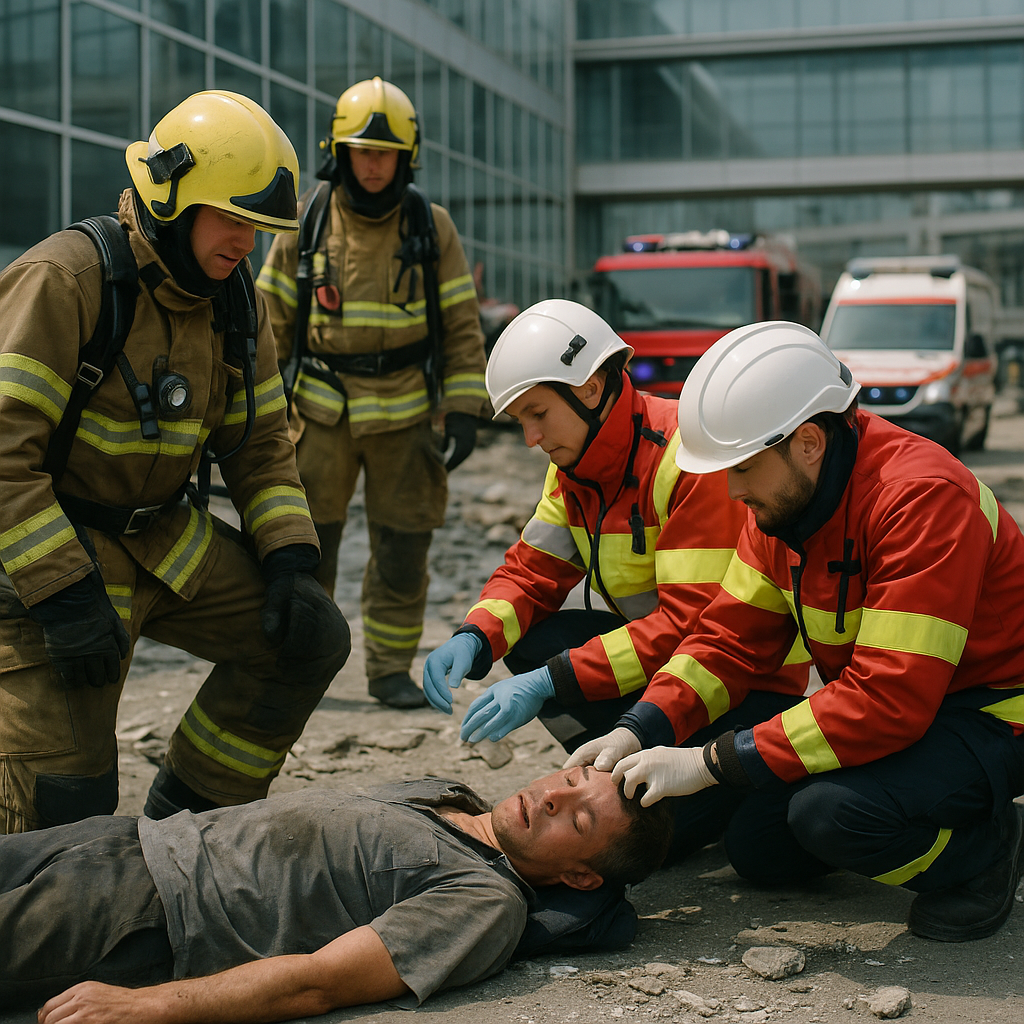
On May 23, 2026, a significant explosion rocked a Staten Island shipyard, causing one fatality and leaving at least 34 first responders injured. Among the affected were 13 firefighters from the Fire Department of New York (FDNY), highlighting the physical risks inherent in emergency response roles within industrial environments.
Scope and Impact of the Incident
The explosion occurred during what officials describe as routine operations at the shipyard, instantly disrupting the surrounding community and testing the capacity of emergency services. The immediate dispatch of responders revealed the intense hazards that frontline workers continually face in managing industrial accidents.
The injured responders were swiftly transported to local medical facilities for treatment. While the fatality involved a shipyard worker, the incident's broader implications pertain to occupational safety standards and workforce preparedness in high-risk sectors.
Workforce Preparedness and Safety Challenges
This event underlines the ongoing need for comprehensive training and resource allocation to protect workers in emergency and industrial roles. First responders operate in unpredictable and perilous conditions, demanding rigorous safety protocols and continuous readiness.
- Enhanced Training: The complexity of industrial sites like shipyards requires specialized knowledge in hazardous materials and structural integrity assessments.
- Protective Equipment: Ensuring access to state-of-the-art protective gear is critical to minimizing injuries during explosive or fire-related incidents.
- Interagency Coordination: Effective communication among fire, medical, and law enforcement teams can optimize rapid response and casualty management.
- Mental Health Support: The psychological toll on responders dealing with traumatic events necessitates dedicated mental health resources.
Implications for Industrial Work Environments
Beyond emergency teams, the explosion shines a light on the broader industrial workforce, emphasizing the importance of strict adherence to safety regulations and proactive risk mitigation strategies within hazardous workplaces.
Businesses operating in similar sectors must evaluate their emergency preparedness plans and invest in technologies and training that can reduce the likelihood of catastrophic events and enhance worker protection.
Global Workforce Lessons
This incident serves as a critical case study for industries worldwide, illustrating the intersection of occupational safety and emergency response. Organizations and governments alike must champion initiatives that strengthen workforce resilience—from prevention to incident management.












No comments yet. Be the first!