
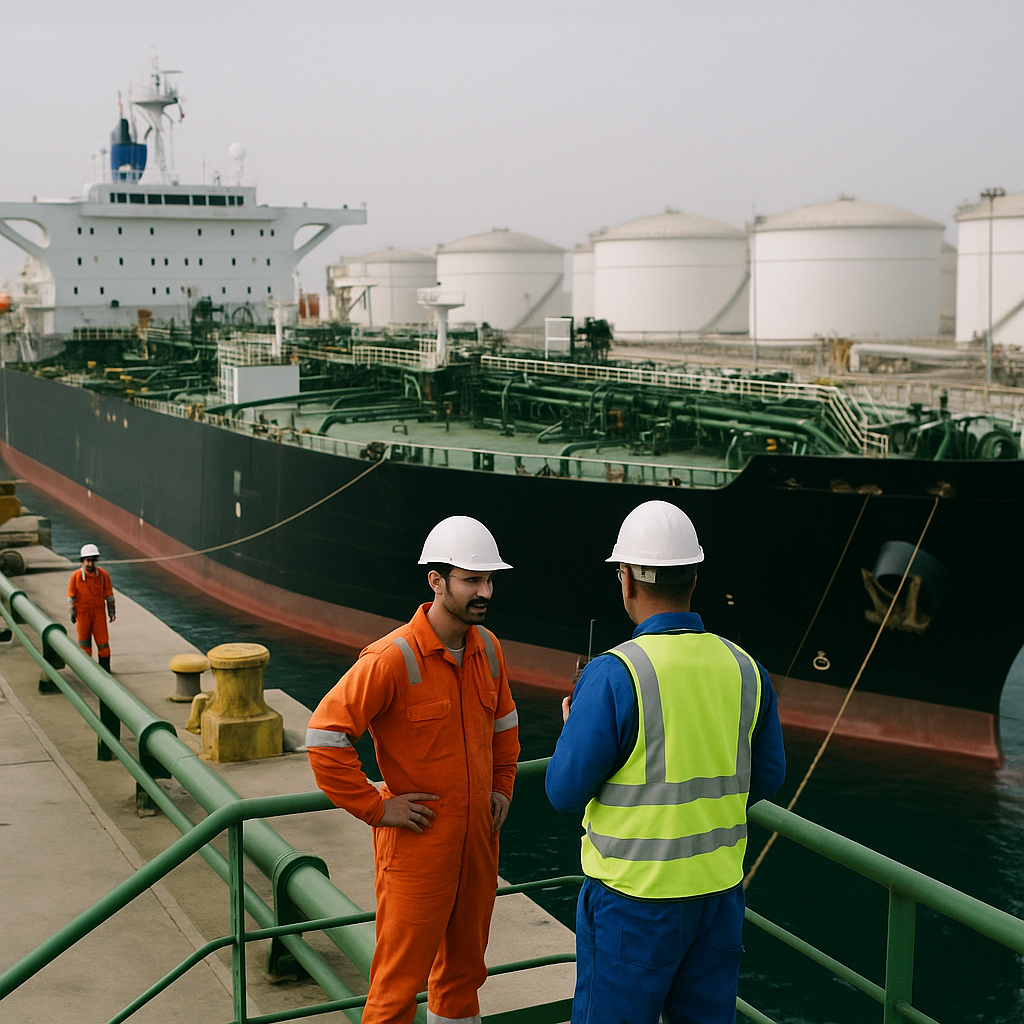
The latest series of attacks on nearly a dozen crude oil tankers along vital shipping lanes has intensified concerns over maritime workforce safety and operational continuity. On October 9, 2026, multiple vessels were struck, reportedly amid heightened geopolitical tensions involving the United States and Iran, affecting a key corridor for global oil transport.
Impact on Maritime Workforce Safety and Operations
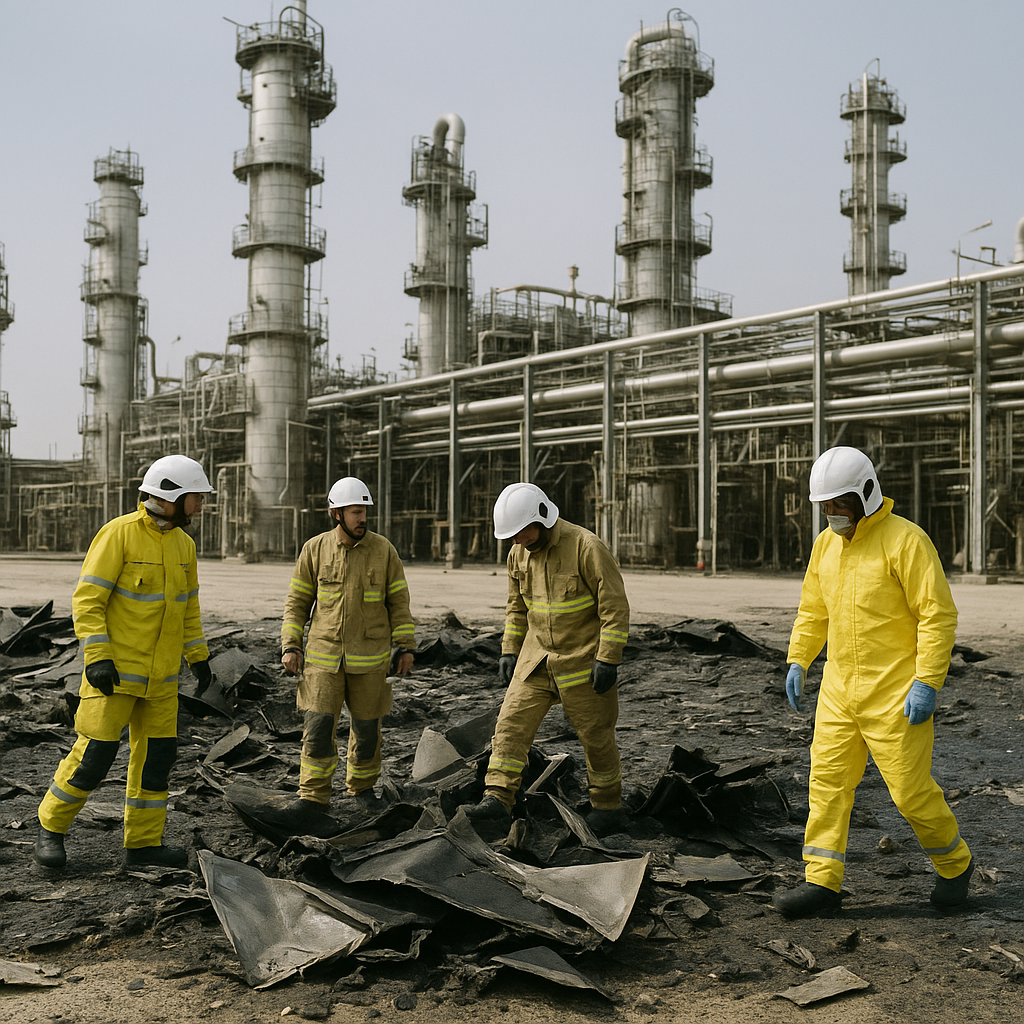
These events place the maritime workforce at unprecedented risk. Crews face increased hazards from hostile actions, directly impacting their physical safety and psychological wellbeing. The necessity for heightened security measures onboard vessels has surged, leading shipping companies and labor organizations to reassess maritime labor protocols and emergency preparedness.
Moreover, the disruption of shipping routes has led to logistical complications, pressuring supply chains and extending working hours for maritime personnel. These changes amplify fatigue and stress within the workforce, with potential long-term consequences for health and operational efficiency.
Adaptations in Workforce Management and Training
In response, maritime industry stakeholders are implementing robust workforce management strategies, including:
- Enhanced crisis management and conflict navigation training for seafarers.
- Integration of advanced safety technologies and communication systems onboard.
- Collaboration between international labor unions and maritime security agencies to ensure workforce protections.
These initiatives aim to stabilize worker morale and safety while maintaining maritime operations despite security threats.
Broader Implications for Global Maritime Labor
The escalation of such incidents could precipitate shifts in labor distribution and hiring patterns within the maritime sector. Seafarers might exhibit increased reluctance to engage in routes perceived as high-risk, potentially causing shortages and driving demand for enhanced compensation and support services.
At a regional level, port authorities and logistics operators are compelled to coordinate more closely with maritime companies to minimize disruptions and safeguard personnel. The evolving security landscape underscores the critical need for resilient and adaptive workforce strategies that address both operational and human factors.
Conclusion
As geopolitical tensions exacerbate operational risks in essential maritime corridors, the global workforce driving the oil tanker and shipping industries confronts heightened challenges. Addressing these effectively necessitates comprehensive safety enhancements, workforce engagement, and international cooperation to protect personnel and ensure the sustainability of global maritime trade.









No comments yet. Be the first!