
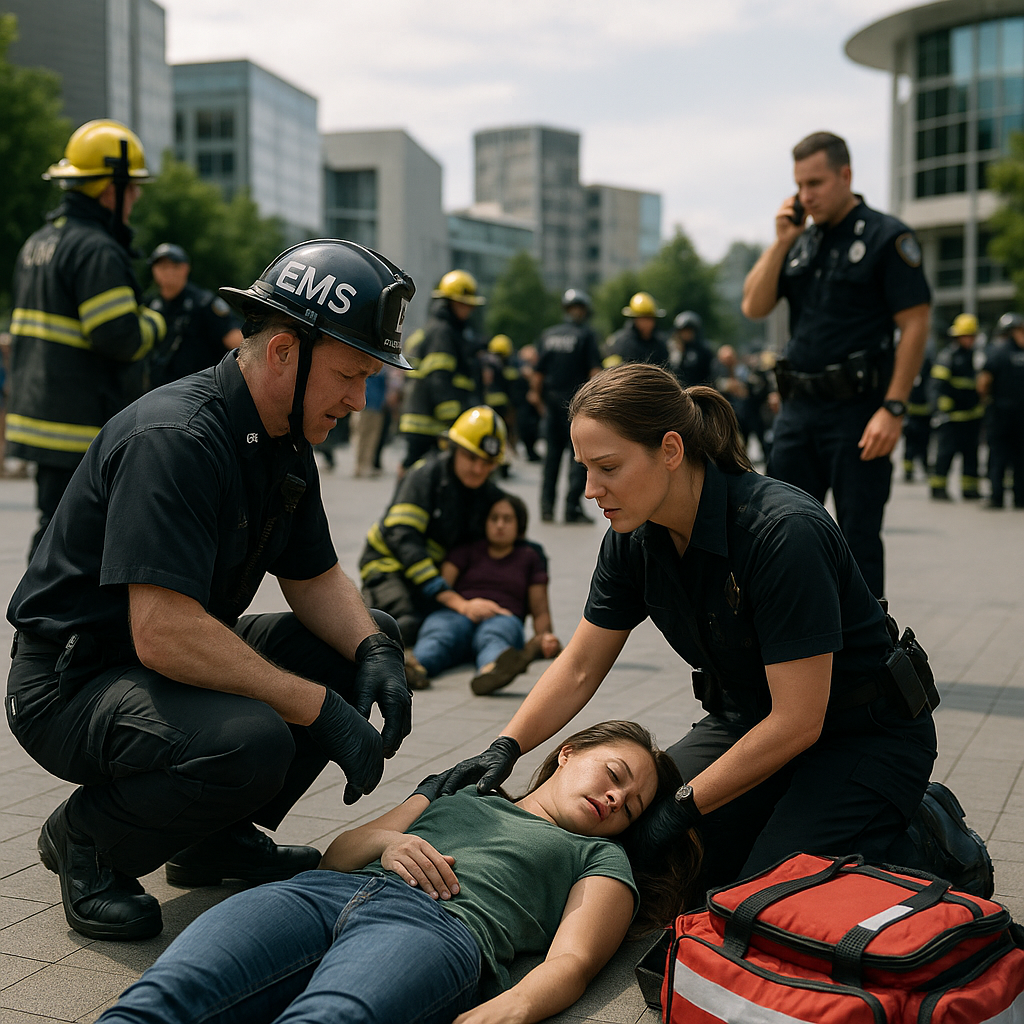
On July 26, 2026, Seattle Center, a prominent cultural and event hub in the heart of Seattle, experienced a devastating mass shooting that left three people dead and four others injured, among them a two-year-old child. The suspect was apprehended shortly after the incident, which sent shockwaves through the local community and raised pressing questions about the security protocols that govern public venues and workplaces.
Heightened Focus on Workforce Safety
The tragedy has cast a spotlight on the imperative for comprehensive workplace safety measures within not only traditional office environments but also public-facing venues where large groups of employees and visitors gather. The incident accentuates the complexity of securing spaces frequented by diverse workforces, contractors, vendors, and event staff, where risk mitigation strategies must adapt to evolving threats.
As of July 27, 2026, authorities continue to review the series of events and the response tactics utilized during the shooting. Industry experts emphasize that prevention and readiness depend on coordinated efforts between security teams, management, and governmental agencies to develop robust emergency response frameworks.
Implications for Workplace Emergency Preparedness
- Risk Assessment: Organizations are urged to conduct thorough risk assessments addressing both physical and psychological safety challenges in their environments.
- Training and Drills: Regular active-shooter training and emergency drills have emerged as essential components for preparing staff across all sectors.
- Technology Integration: Enhanced surveillance systems, real-time communication platforms, and rapid alert mechanisms are critical tools for early threat detection and response.
- Employee Support: Post-incident care and mental health resources are vital for workforce resilience following traumatic events.
Broader Workforce Impact and Policy Considerations
Beyond immediate safety concerns, the shooting prompts reflection on broader workforce implications such as the necessity for adaptive workplace designs that prioritize evacuation ease and security access control. Additionally, the event stresses the importance of legislative initiatives aimed at reinforcing standards and funding for workplace security programs nationwide.
Employers and policymakers alike must recognize that workforce safety extends beyond physical protection, encompassing the cultivation of trust and well-being that enable employees to perform effectively without fear.
Future-Oriented Strategies for Workforce Protection
Looking ahead, industry leaders are calling for:
- Multidisciplinary Collaboration: Engaging law enforcement, mental health professionals, security experts, and organizational leaders in unified safety planning.
- Investment in Resilient Infrastructure: Designing workspaces with integrated security features that do not compromise accessibility or comfort.
- Continuous Improvement: Implementing data-driven safety protocols that evolve with emerging threats and technologies.
Conclusion
The tragic shooting at Seattle Center on July 26, 2026 serves as a sobering call to action for all sectors of the global workforce. Ensuring safety requires not only tactical preparedness but also a strategic vision that aligns employee security with organizational resilience and community well-being.










No comments yet. Be the first!