
On October 8, 2026, the United States Department of Defense announced that the execution by firing squad of a convicted mass murderer from Fort Hood will be livestreamed, signaling an unprecedented level of transparency within military judicial procedures. While this development stems from legal and security imperatives, its reverberations extend deeply into the management of military personnel and operations in high-pressure environments.
Implications for Military Workforce Dynamics
The decision to broadcast the execution has introduced complex dimensions for workforce strategies in defense sectors. Military environments, especially installations like Fort Hood, balance immense operational demands with the need for psychological resilience and ethical standards among personnel.
From a workforce management perspective, several factors emerge:
- Operational Risks and Personnel Stress: Ensuring soldiers and staff are adequately supported amid events charged with high visibility and emotional intensity.
- Training and Preparedness: Emphasizing advanced training programs that address crisis response, psychological health, and ethical compliance.
- Transparency vs. Security: Crafting communication strategies that maintain public trust without compromising operational integrity or personnel safety.
Workforce Wellbeing and Ethical Considerations
Conducting justice in a military context requires a conscientious approach that safeguards the wellbeing of all involved. The livestream element adds pressure to military staff who are integral in carrying out such solemn duties, amplifying the need for mental health resources and institutional support systems.
Furthermore, evolving societal expectations about accountability and transparency necessitate that military workplaces adapt policies that reconcile these demands with the realities of command hierarchy and discipline.
Technological Integration and Operational Impact
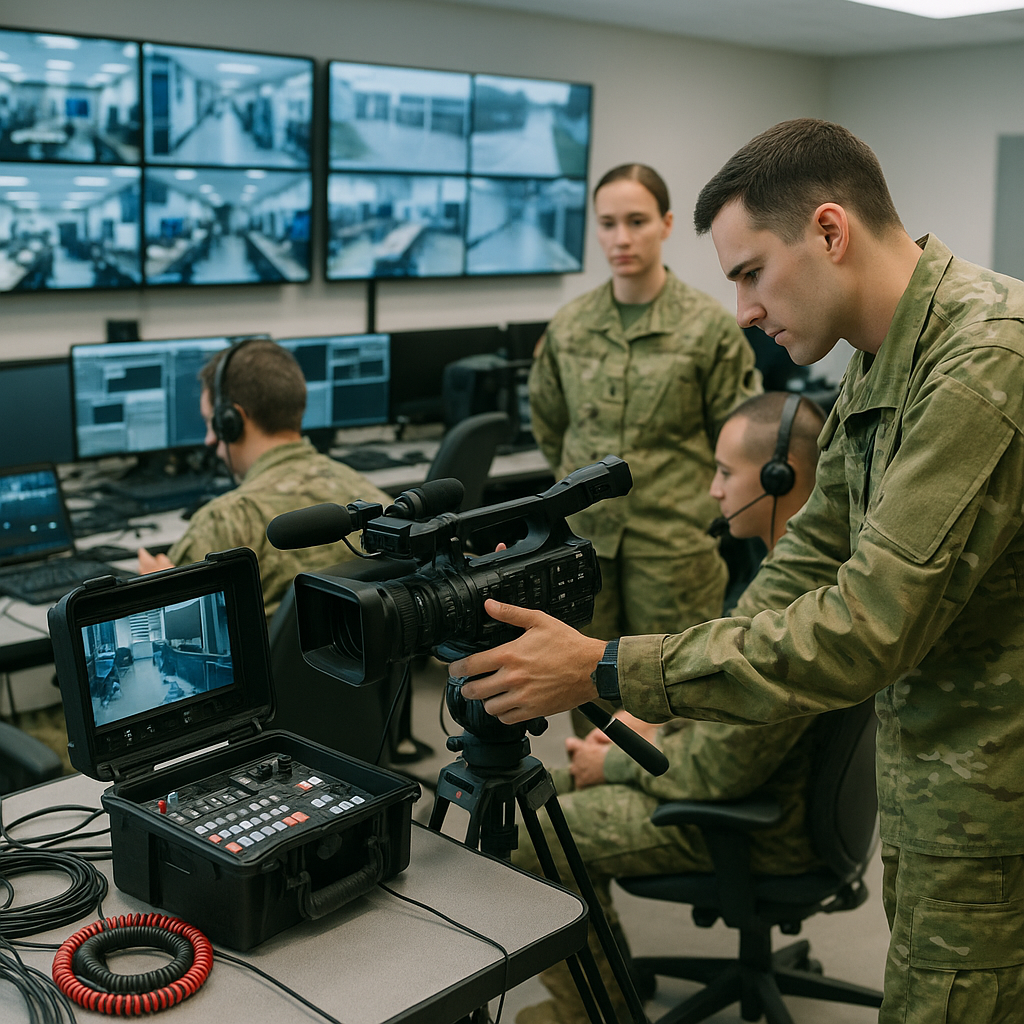
The use of livestreaming technology in military judicial processes reflects a broader trend of digital integration within defense operations. Leveraging real-time broadcasting tools demands specialized technical personnel and strict protocol adherence, influencing workforce structuring.
This shift towards incorporating media technologies into sensitive operations calls for:
- Enhanced cybersecurity measures to protect sensitive data and personnel identities.
- Training IT specialists versed in both military operations and digital communications.
- Protocols that regulate media presence without disrupting core operational mandates.
Broader Impact on Military Workforce Strategy
The livestreamed execution event at Fort Hood serves as a case study in balancing transparency with workforce integrity within defense institutions. It highlights the criticality of multidimensional workforce strategies that encompass technical proficiency, psychological resilience, and ethical governance.
Military leadership is thus challenged to continuously evolve workforce policies that address emerging technological capabilities, public scrutiny, and the imperative of supporting personnel through unprecedented operational scenarios.










No comments yet. Be the first!