
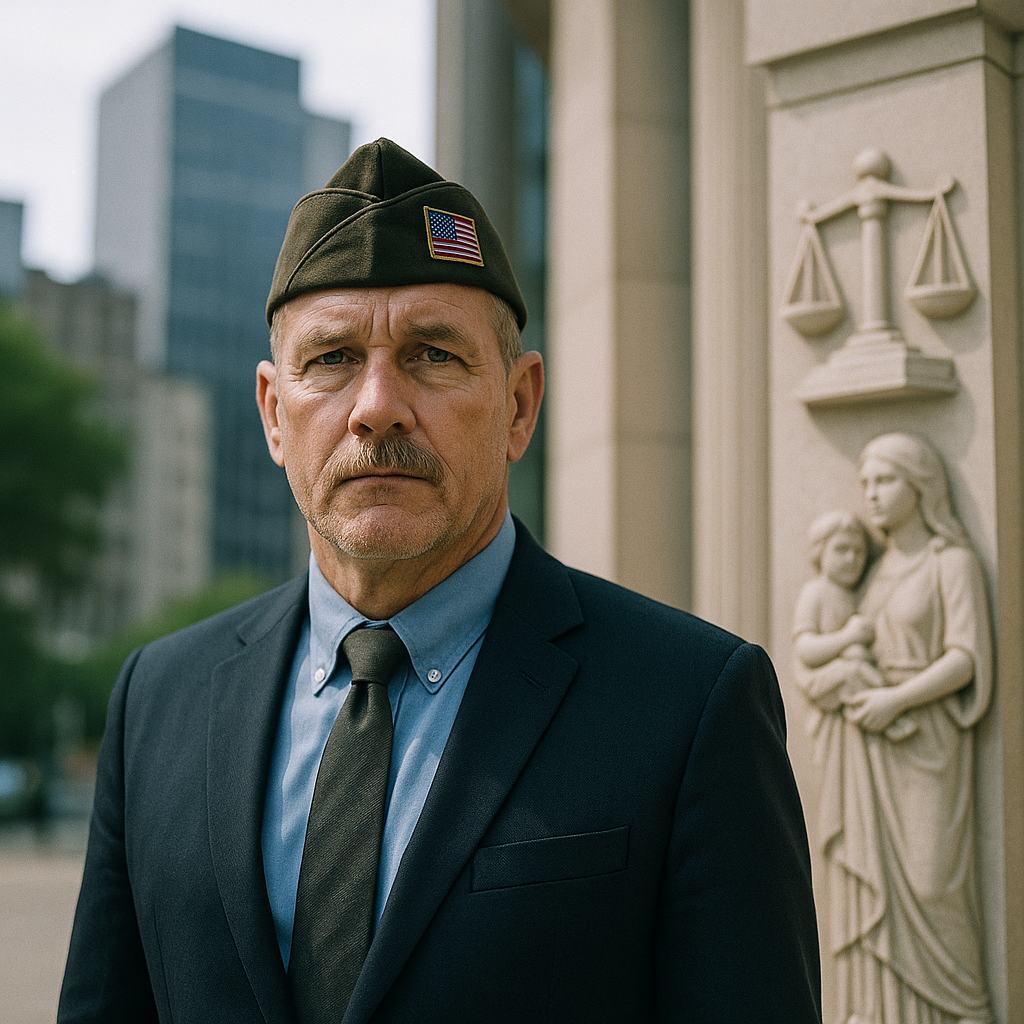
On June 5, 2026, a court ruling dismissed murder charges against an Army veteran and father accused of shooting his daughter’s alleged predator, spotlighting important intersections between workforce participation and family safety advocacy. The veteran, who has since pursued a career in law enforcement candidacy, navigated complex legal and personal challenges that resonate with working parents balancing professional responsibilities and urgent familial protections.
Context and Relevance to the Global Workforce
This case arrives amid growing discussions around employee well-being, especially for those in security-sensitive and caregiving roles. Working parents often confront unique pressures when faced with threats to their family members, which can influence their performance and mental health at work.
With more organizations prioritizing holistic employee support frameworks, this case offers insights into the evolving need for policies that accommodate unexpected personal emergencies. It also raises questions about how employers can better support workers involved in legal or protective actions tied to family safety.
Key Challenges Highlighted
- Legal uncertainties that employees who act in defense of family might face, impacting workplace stability.
- The psychological toll on employees dealing with traumatic personal crises while maintaining job responsibilities.
- Need for flexible workplace policies to ensure personnel engaged in emergency family protection can balance their roles effectively.
- The importance of mental health resources for employees under extraordinary personal stress.
Implications for Employers and Workforce Management
Organizations worldwide are compelled to rethink workforce management strategies, integrating crisis response and support mechanisms that address real-life events impacting their employees. The veteran’s case demonstrates the potential workplace ripple effects when family-related emergencies intersect with legal entanglements.
By adopting comprehensive support systems, including legal aid access and mental health counseling, companies can foster resilience among their staff, particularly those in high-stakes roles such as law enforcement, emergency response, and caregiving professions.
Broader Social and Workforce Trends
The trend toward recognizing employees as whole individuals beyond their job functions is accelerating globally. This case exemplifies the necessity for inclusive workplace cultures that recognize the multifaceted nature of employees' lives, which enhances retention, productivity, and overall employee satisfaction.
As legal and social environments evolve—particularly around family protection laws and employee rights—the integration of these changes into workplace policies remains critical for sustaining a balanced and effective workforce.
Conclusion
The dismissed charges against an Army veteran defending his daughter’s safety serve as a powerful reminder of the complex realities confronting working parents worldwide. Employers must prioritize flexible, empathetic, and supportive workplace models that safeguard both the professional and personal spheres of their employees, ensuring a resilient global workforce prepared for multifaceted challenges.










No comments yet. Be the first!