
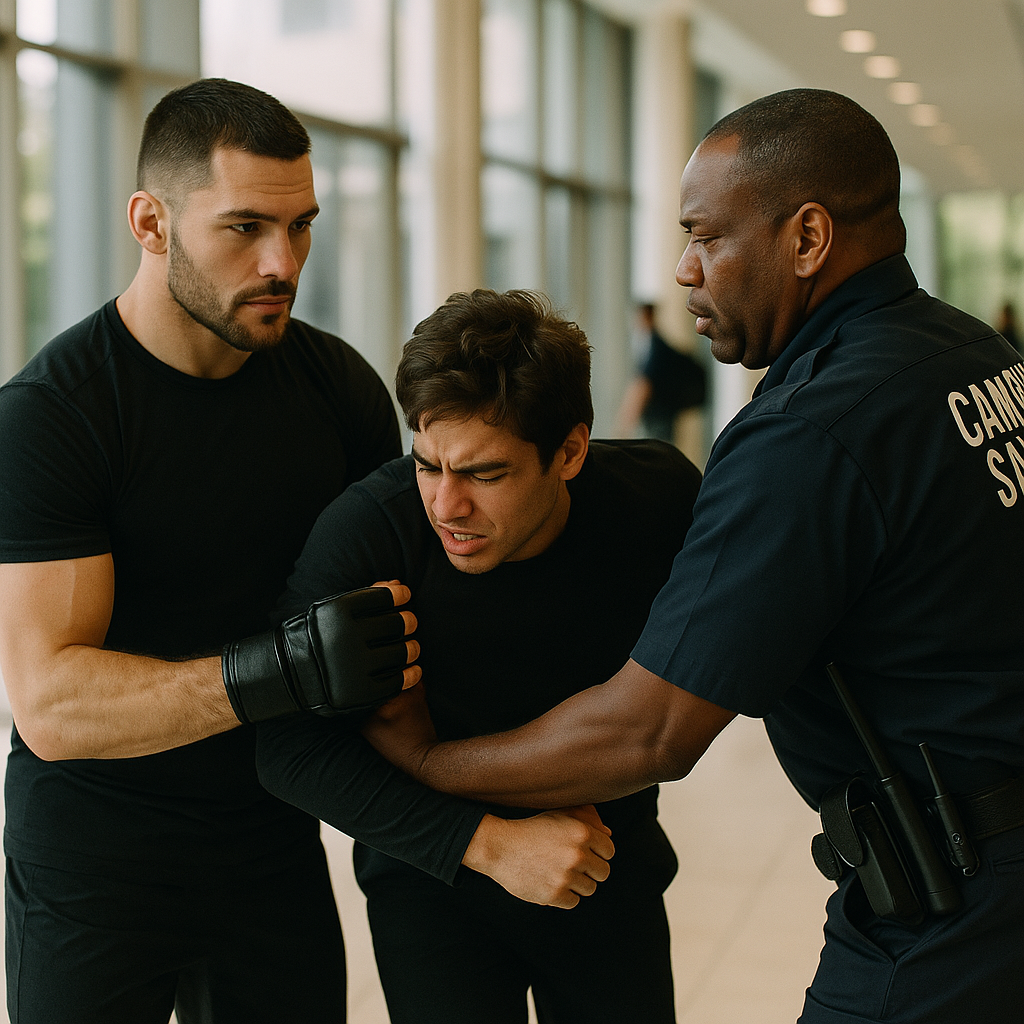
On June 20, 2026, a notable incident at a Florida university captured national attention when a mixed martial arts (MMA) athlete assisted in detaining a college student leader suspected of participating in an illicit sting operation targeting minors. The encounter took place in a public retail setting near campus and emphasizes a growing trend where external professionals contribute to institutional safety and crime prevention efforts.
A New Paradigm in Campus Safety
Universities worldwide face mounting pressure to protect students from an array of threats, both physical and digital. Traditionally, campus safety departments have relied primarily on internal security personnel and law enforcement partnerships, but recent events like this highlight the potential for wider community involvement.
The involvement of an MMA fighter—a professional with advanced physical skills and situational awareness—illustrates how specialized expertise outside conventional law enforcement can play a pivotal role in rapid response situations. This collaboration opens the door for institutions to rethink their approach to security and workforce integration.
Implications for the Global Workforce
In an era of increasing complexity in ensuring safe educational spaces, the incident underscores several key workforce dynamics:
- Cross-disciplinary collaboration: Leveraging skills from diverse sectors such as sports, technology, and emergency response enhances preventive and reactive capabilities.
- Professional versatility: Workforce members equipped with unconventional competencies, like martial arts techniques, can supplement traditional roles in public safety and community engagement.
- Community integration: Engaging external professionals fosters stronger bonds between educational institutions and their wider communities, facilitating shared responsibility for safety.
These trends reflect a global shift in workforce paradigms, where adaptability and cross-sector collaboration are increasingly prized to address multifaceted challenges.
Challenges and Considerations
While integrating non-traditional professionals into safety protocols offers benefits, it also poses challenges. Universities and organizations must carefully navigate legal frameworks, liability concerns, and appropriate training to ensure that interventions are both effective and compliant.
Moreover, safeguarding privacy and respecting due process remain critical considerations. Balanced approaches that incorporate diverse expertise must maintain ethical standards without compromising individual rights.
Future Outlook
The scenario witnessed at the Florida university could inspire broader adoption of multidisciplinary strategies within global workforce planning. Educational institutions may consider formal partnerships with professionals possessing specialized physical, technical, or strategic skills to bolster campus security.
Simultaneously, training programs and certifications may evolve to prepare such individuals for collaborative roles, ensuring alignment with institutional policies and societal expectations.
Conclusion
This incident at the crossroads of professional sports and campus safety encapsulates an emergent direction for workforce development:
- Adaptive, skill-diverse labor pools responding to evolving security concerns.
- Collaborative frameworks bridging education, community, and specialized professions.
- An emphasis on proactive, integrative approaches in protecting vulnerable populations within educational environments.
As institutions worldwide face increasing complexities, lessons from such collaborative efforts provide valuable insights for shaping resilient and responsive workforce models.












No comments yet. Be the first!