
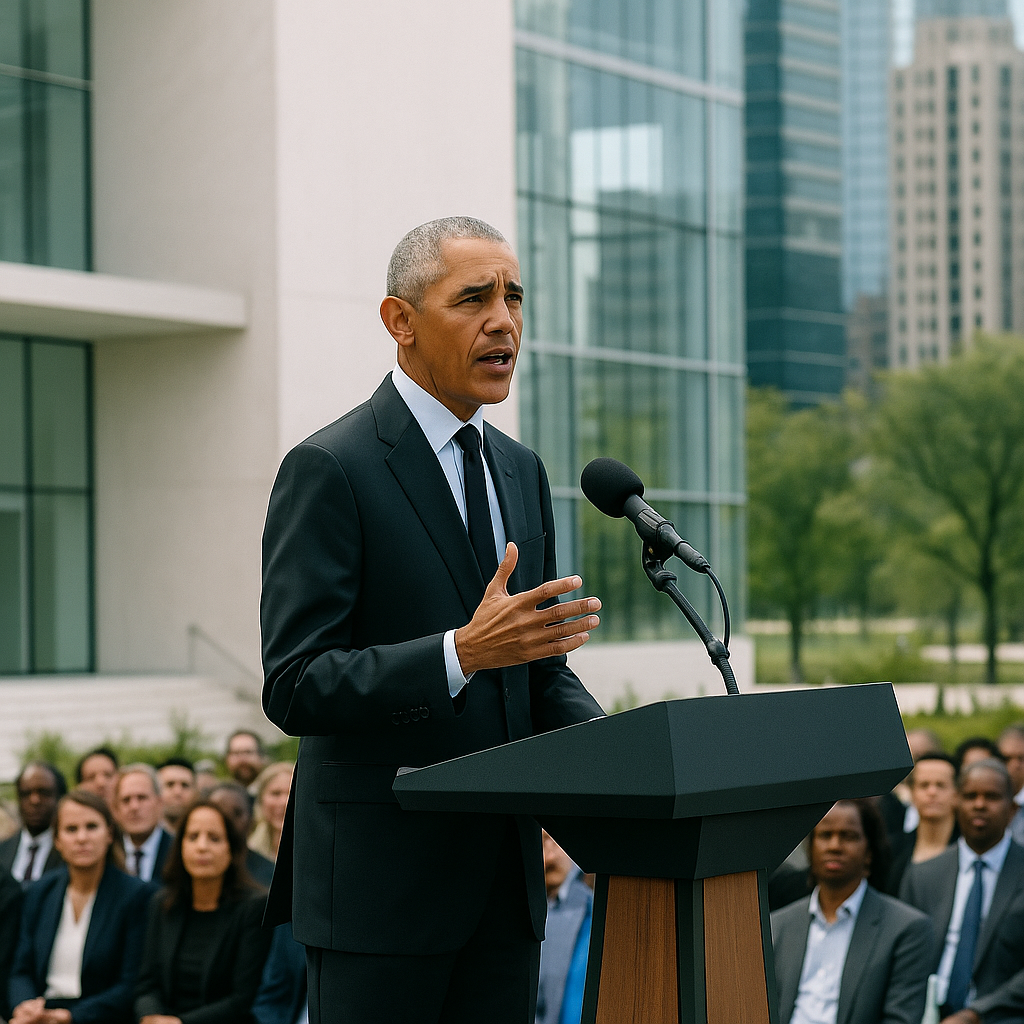
On June 18, 2026, the inauguration of the Obama Presidential Center in Chicago marked not only a tribute to the 44th President but also a crucial reflection on the trajectory of the American workforce as the country approaches its 250th anniversary. Former President Barack Obama used the occasion to discuss the ongoing evolution of labor practices, workforce inclusion, and the necessity for adapting to modern economic challenges.
Reframing Historical Perspectives Toward Workforce Development
During his speech, Obama acknowledged the foundational intentions of America's Founders but pointed out that their visions were limited by the era’s social and economic context, which excluded large segments of the population from participating fully in economic growth. This acknowledgment sets a tone for reexamining workforce policies through a lens of diversity, equity, and innovation.
Obama emphasized that the advancements in workforce dynamics require addressing systemic barriers that have historically marginalized certain communities. According to him, global competition and technological transformation demand a workforce that is adaptable, skilled, and inclusive.
Impact on Workforce Training and Education
The Obama Presidential Center is positioned as more than a cultural monument; it aims to become a hub for workforce development programs across Illinois and the broader Midwest. These programs focus on augmenting skills in technology, green energy, and advanced manufacturing—sectors poised for growth as the nation reshapes its economy.
Key initiatives highlighted include:
- Investment in equitable STEM education to close racial and socioeconomic gaps.
- Partnerships with local businesses to create apprenticeship and upskilling opportunities.
- Encouraging entrepreneurship among underrepresented groups.
Challenges and Opportunities Ahead
The former president stressed that as the labor market evolves, policy responses must be equally innovative. Automation and artificial intelligence present both challenges in job displacement and opportunities for creating new categories of employment. Navigating these changes demands forward-thinking workforce strategies.
Key challenges identified include:
- Addressing workforce displacement due to accelerating automation.
- Ensuring access to lifelong learning and professional development.
- Bridging digital divides that disproportionately affect rural and underserved urban communities.
Through the center’s initiatives, Obama aims to foster collaboration among educators, policymakers, and employers to build a resilient workforce capable of sustaining economic growth in the global context.
Broader Implications for the Global Workforce
By framing workforce issues within the historically significant milestone of America’s 250th year, the opening of the Obama Presidential Center serves as a catalyst for a broader conversation about future labor markets worldwide. The focus on equity, innovation, and adaptability resonates with global trends, where nations must continuously reform workforce systems to maintain competitiveness.
This event underscores the critical role leadership in former administrations can play in shaping discourse on economic development and workforce preparedness.
Conclusion
The inauguration of the Obama Presidential Center is emblematic of a new chapter in American workforce history. As the nation prepares for its semiquincentennial, the emphasis on inclusivity, education, and innovation in workforce development emerges as imperative to sustaining economic vitality. Former President Obama’s reflections on the limitations of past frameworks serve as a call to action for current and future leaders to prioritize equitable and forward-looking employment strategies.










No comments yet. Be the first!