
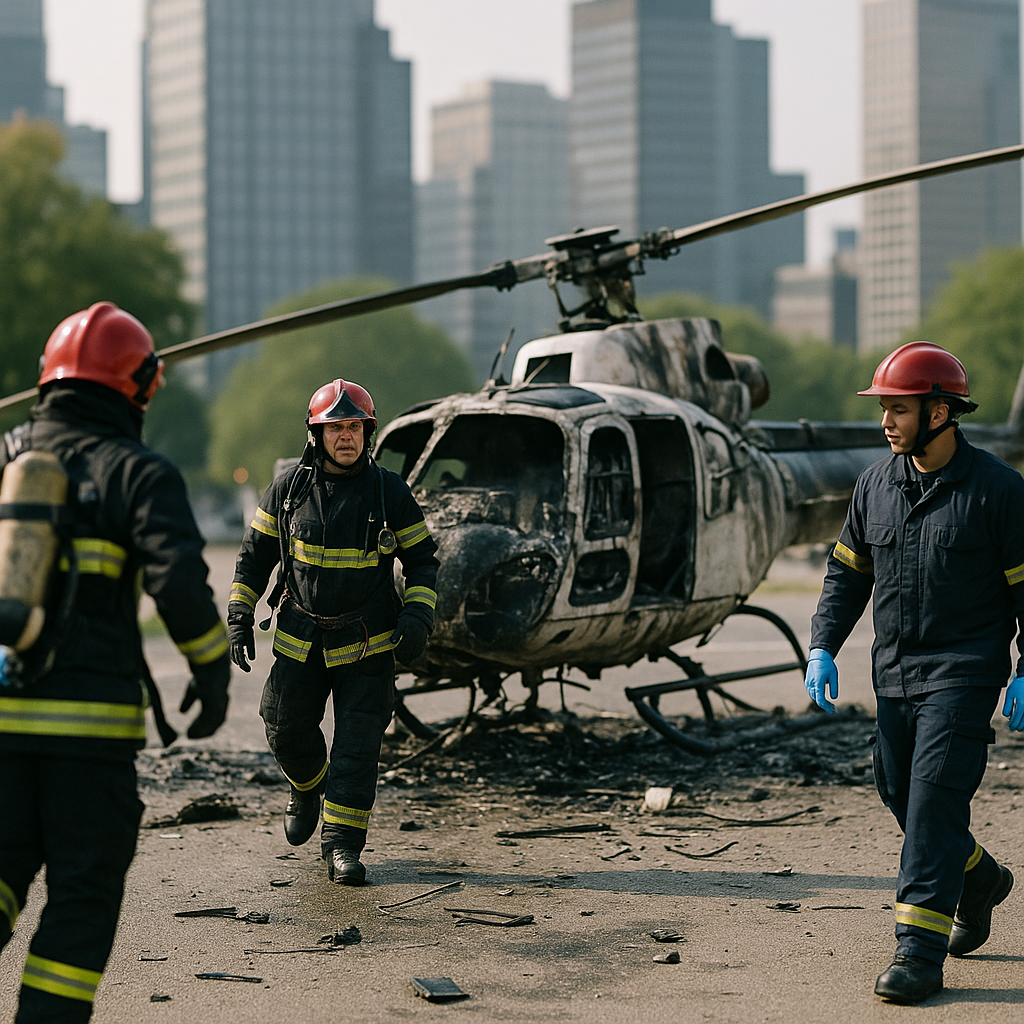
The recent helicopter collision in Rio de Janeiro, Brazil, involving American artist Oliver Tree, presumed dead as of June 15, 2026, has sent shockwaves through the global entertainment and workforce communities. While investigations continue, this incident underscores the pressing need for enhanced safety measures for artists and associated staff operating in demanding and often hazardous environments.
Oliver Tree, known for his innovative performances and dynamic presence, was traveling by helicopter when the aircraft collided mid-air with another. This tragic event raises significant concerns about risk management protocols, emergency preparedness, and occupational safety standards for professionals working in the entertainment sector worldwide.
Impact on Entertainment Workforce Safety
The incident serves as a wake-up call about the necessity to rigorously enforce and update safety regulations, especially for high-profile personnel who frequently rely on private aviation to meet demanding schedules across global locations.
- Increased Transportation Risks: Artists and crew often depend on helicopters and small aircraft to navigate between venues efficiently, heightening exposure to aviation risks.
- Complex Scheduling Pressures: The global workforce in entertainment faces intense pressure to perform across multiple countries, which can compromise strict adherence to safety protocols.
- Emergency Response Preparedness: The effectiveness of immediate response following the accident further highlights gaps in coordinated safety strategies surrounding high-risk transports.
Broader Implications for Workforce Risk Management
Beyond the entertainment industry, this event prompts reevaluation of how corporations and agencies manage occupational hazards for employees working in fast-paced, high-stakes environments. The integration of comprehensive risk assessments, regular safety drills, and real-time monitoring technologies may drastically reduce such incidents.
Industry experts argue that a proactive approach towards workforce safety is indispensable, especially when dealing with mobile teams whose work environments are inherently unpredictable and sometimes dangerous.
Technological and Policy Innovations as Solutions
Adoption of technological innovations including advanced avionics, satellite tracking, and AI-based risk analytics can serve as critical tools to mitigate the dangers faced by traveling personnel.
- Real-Time Flight Monitoring: Implementation of improved tracking systems for private and charter flights utilized by artists and their teams.
- Predictive Risk Modelling: Leveraging AI to forecast and preempt situations that could lead to accidents.
- Policy Enhancement: Updating international flight operation protocols tailored to the specific needs of the entertainment workforce.
Moreover, companies are encouraged to foster a culture of safety where employee wellbeing takes precedence over logistical convenience or time constraints.
Conclusion
As the investigation into Oliver Tree’s helicopter crash continues, the incident remains a solemn reminder of the risks embedded within the global entertainment workforce. Prioritizing enhanced safety protocols and integrating cutting-edge technology will be vital steps in safeguarding professionals whose careers demand extensive travel and exposure to variable risks. The global workforce in entertainment, alongside stakeholders, must collaborate to implement robust measures that preserve lives while maintaining industry dynamism.








No comments yet. Be the first!