
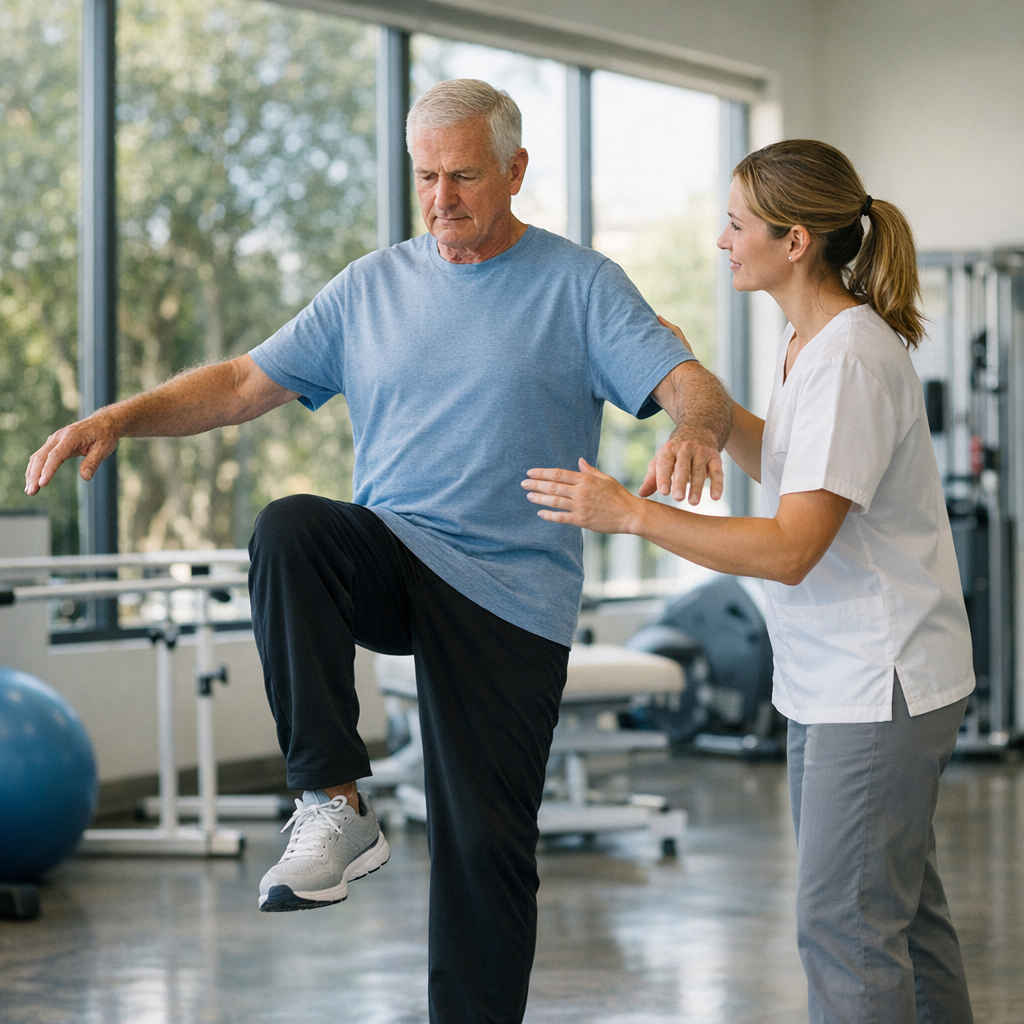
With global populations aging at an unprecedented rate, maintaining autonomy in later years has become a central public health and societal challenge. Orthopedic experts increasingly emphasize the role of continuous self-care practices to promote longevity and functional independence, thereby reducing the likelihood of requiring nursing home care.
Promoting Physical Activity and Mobility
Regular movement is paramount. Maintaining joint flexibility, muscle strength, and balance can dramatically diminish fall risk—a leading cause of disability among older adults. Experts recommend incorporating low-impact aerobic exercises alongside strength training to preserve musculoskeletal health.
Nutrition’s Role in Healthy Aging
Diet is a foundational component for sustaining physical and cognitive function. A balanced nutritional plan rich in proteins, vitamins D and B12, and minerals supports bone density and neuromuscular coordination. Education on nutrition empowers older adults to make informed dietary choices, illustrating the value of lifelong learning in managing personal health.
Preventive Healthcare and Regular Screenings
Routine health evaluations are instrumental in early identification and management of conditions such as osteoporosis, arthritis, and cardiovascular diseases that compromise mobility. Lifelong learning also encompasses understanding when and how to seek medical evaluations, fostering proactive health engagement.
Adaptation Through Assistive Technologies
Advances in assistive devices—ranging from walking aids to digital health monitoring tools—have opened new frontiers for maintaining independence. Familiarity and competence in using these technologies require ongoing learning and adaptability, underscoring their integration into active aging strategies.
Social Engagement and Cognitive Health
Maintaining social connections and cognitive stimulation through continuous education activities contribute to psychological wellbeing and delay cognitive decline. This holistic approach ties into the broader concept of lifelong learning as a determinant of quality of life in senior populations.
Conclusion
Integrating these five habits highlights the intersection between medical advice and educational empowerment, positioning lifelong learning as a cornerstone for sustaining mobility and autonomy in aging populations. By embracing a proactive and informed approach to health, older adults can significantly reduce dependence on institutional care, aligning personal wellbeing with broader public health objectives.









No comments yet. Be the first!