
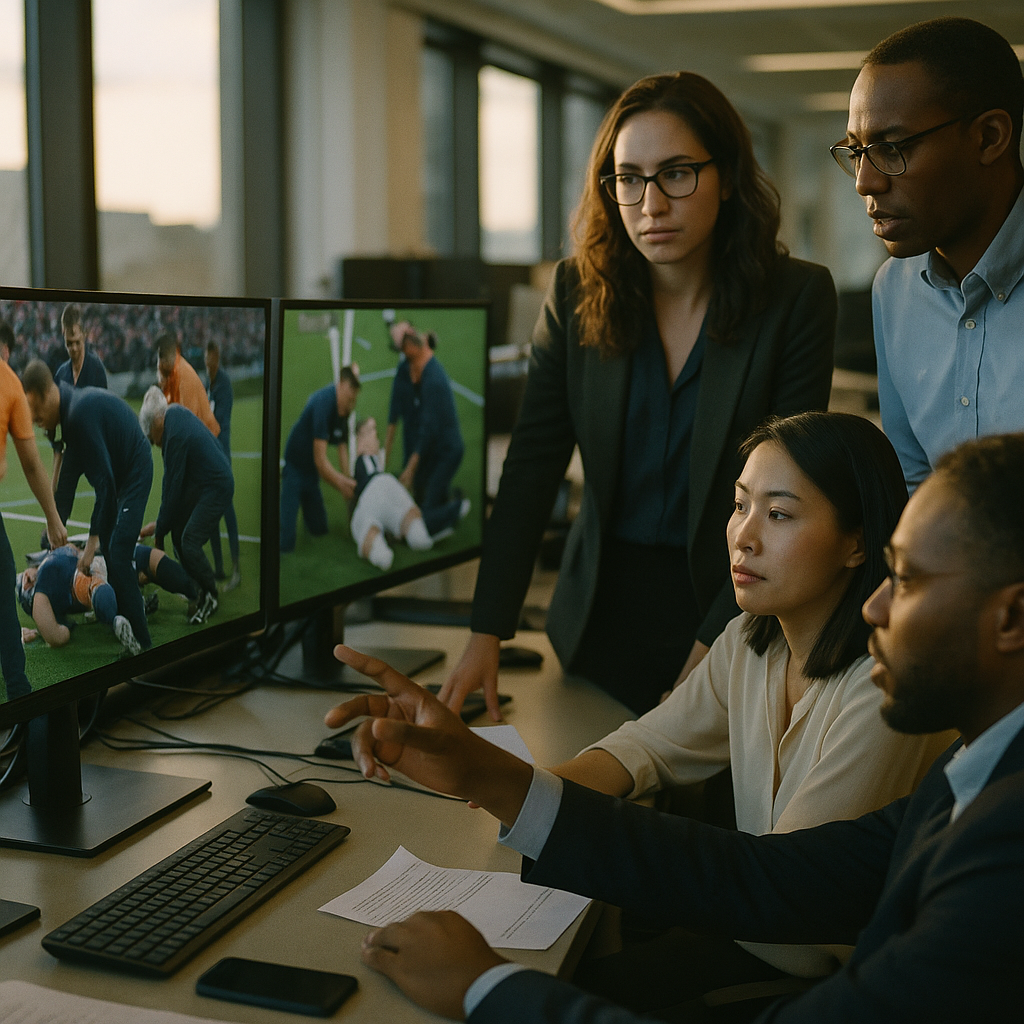
On August 10, 2026, a notable controversy in sports media coverage has brought renewed attention to issues of professionalism, diversity, and conduct within global workforce environments. The incident, involving athletes Dijonai Carrington and Sophie Cunningham, sparked discussions about media narratives and the responsibilities of sports journalism in shaping perceptions.
Context of the Incident and Media Response
The clash between Carrington and Cunningham was extensively reported, with some media outlets focusing on physical altercations and player actions. However, critical voices, including former ESPN host perspectives, have shifted the discussion toward examining the coverage itself, arguing for a more nuanced understanding of workplace behavior and accountability in professional sports.
This shift in focus aligns with broader workforce dynamics where media portrayal influences public and corporate responses to conflict and disciplinary measures. Emphasizing the importance of equitable treatment and procedural fairness, especially within diverse and high-pressure environments, is essential.
Impact on Sports Media and Its Global Workforce
The situation highlights several key challenges facing sports media today:
- Bias and Representation: Media portrayal can disproportionately affect athletes based on gender, race, and other identity markers.
- Workplace Conduct Standards: Defining acceptable behavior in highly competitive, public-facing roles remains complex.
- Role of Media Professionals: Journalists and commentators have a responsibility to frame incidents with contextual accuracy, avoiding sensationalism.
These challenges mirror issues in global workforce management, where diversity, equity, and inclusion (DEI) initiatives seek to create more respectful and productive professional environments.
Lessons for Global Workforce Diversity and Inclusion
Sports organizations and media companies worldwide are increasingly recognizing that the way incidents are covered can either exacerbate workplace tensions or promote understanding and resolution. Key takeaways include:
- Training and Development: Implementing comprehensive training on media literacy and unconscious bias for media personnel and athletes alike.
- Clear Conduct Policies: Establishing transparent guidelines for behavior and reporting mechanisms to handle conflicts.
- Inclusive Representation: Encouraging diverse voices in media narrative construction to reflect global workplace realities.
By adapting these lessons, the global workforce across sectors can benefit from improved communication strategies and conflict management inspired by transformative approaches in sports media.
Technological Advancements and Media Evolution
The rise of digital platforms and social media has fundamentally altered how sports incidents are reported and discussed. This democratization of information challenges traditional media institutions to elevate standards of responsible reporting, which directly impacts workforce culture in sporting and media industries:
- Real-Time Accountability: Instant global feedback demands greater accuracy and fairness.
- Enhanced Engagement: Diverse audiences demand representation and sensitivity.
- Data-Driven Insights: Analytics help identify patterns of bias or misrepresentation.
These technological shifts offer powerful tools for reinforcing positive workplace norms and fostering a culture of respect and inclusion worldwide.
Conclusion
The Carrington-Cunningham episode serves as a catalyst for broader reflection on the interplay between media coverage and workforce dynamics. As sports media navigates an all-time low in certain coverage aspects, there lies an opportunity to reframe narratives toward equity and professionalism.
Global organizations inspired by these dynamics can implement more effective diversity and inclusion strategies that accommodate the complexities of modern communication landscapes. Ultimately, fostering ethical reporting and respectful conduct across sectors enhances workforce cohesion and resilience.










No comments yet. Be the first!