
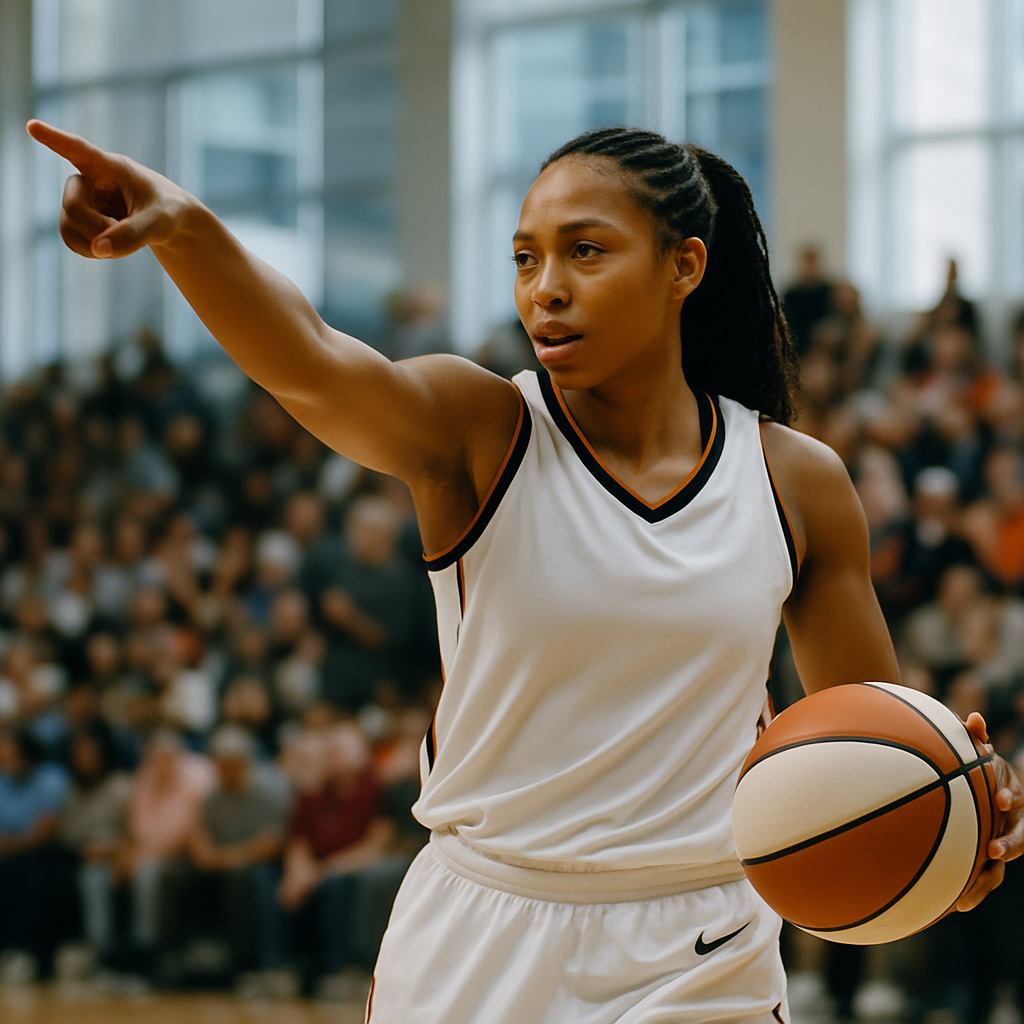
On June 27, 2026, the sports world continues to witness the powerful intersection of digital culture and professional athletics. A recently viral moment involving Sophie Cunningham, forward for the WNBA’s Phoenix Mercury, has transcended traditional sports highlights, morphing into an internet sensation through a 22-second finger-pointing clip.
Digital Engagement As a Workforce Asset
This short clip, now among the top shared memes related to women’s basketball, reflects more than just fan enthusiasm. It emphasizes a growing trend where athletes actively shape their public personas and professional brand through digital platforms. The ability to generate viral content impacts not only personal visibility but also marketing opportunities and fan engagement strategies implemented by leagues and teams.
For the global workforce within professional sports, leveraging social media and digital moments has become an essential skill set. Athletes, agents, and sports organizations are increasingly focused on:
- Developing digital literacy to cultivate and maintain fan bases.
- Utilizing viral moments to enhance sponsorship deals and endorsements.
- Creating content that resonates within diverse cultural and demographic groups worldwide.
Women’s Sports and Expanding Opportunities
The viral nature of Cunningham’s gesture underlines the surge in global interest and investment in women’s professional sports. As the workforce supporting women’s leagues expands, there is heightened demand for expertise in digital marketing, content creation, and fan engagement analytics.
Such viral moments serve as catalysts driving:
- Increased media coverage and visibility, attracting talent and sponsorships to women’s sports.
- New career paths related to digital media, event management, and athlete representation.
- Broader recognition of athletes as multifaceted professionals adept at navigating both competitive performance and public relations.
Challenges and Workforce Implications
Despite the opportunities, the global workforce in professional sports faces challenges in managing viral content effectively. Rapid digital dissemination can generate both positive engagement and potential controversies. Organizations must equip personnel with crisis management protocols and ethical digital communication competencies.
Additionally, there is an increasing need for:
- Specialized training programs focused on digital identity and reputation management.
- Collaborative frameworks between teams, athletes, and marketing agencies to optimize content impact.
- Monitoring tools to analyze fan feedback and respond appropriately to shifting trends.
Conclusion
The viral 22-second finger point by Sophie Cunningham serves as a microcosm of the evolving global workforce dynamics within professional sports. It showcases how digital engagement not only enhances athlete branding but also fosters expanded roles and responsibilities across marketing, media relations, and event management sectors. As women's sports continue their upward trajectory, workforce adaptation to these emerging digital demands remains critical to sustaining growth and maximizing impact.













No comments yet. Be the first!