
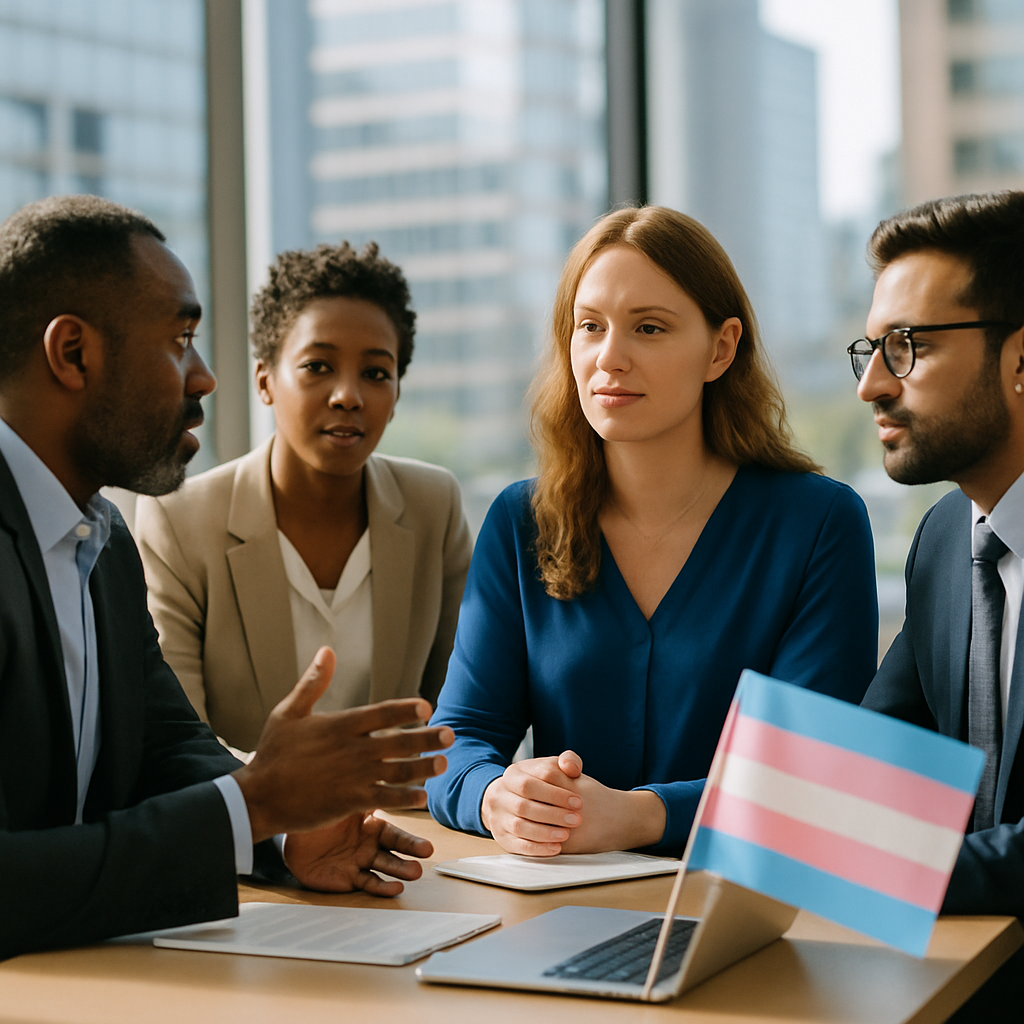
On June 30, 2026, the Supreme Court delivered a landmark decision concerning the participation of transgender athletes in women's sports. While the ruling directly addresses sports policy, its reverberations impact broader societal sectors, particularly workforce diversity and inclusion management worldwide.
The Court's judgement essentially shapes the legal framework around gender identity recognition and anti-discrimination protections. As organizations intensify their commitment to equitable workplace environments, the ruling adds a new dimension to human resources policies dealing with gender diversity.
Legal Framework’s Influence on Workplace Inclusion
The intersection between sports legislation and workplace rights underscores the complexity of managing gender identity issues globally. Companies are required to reassess their diversity strategies and compliance programs in light of evolving legal precedents to foster inclusive cultures.
Key challenges these organizations face include:
- Adapting anti-discrimination policies to encompass nuanced gender identity scenarios
- Balancing legal compliance with fostering genuine inclusivity
- Training management and staff to navigate sensitive conversations with respect and professionalism
- Aligning global workforce standards where national legal environments vary significantly
Corporate Responses and Strategic Adaptations
Following the Supreme Court's ruling, multinational corporations and local enterprises alike have begun adjusting their frameworks to embrace an inclusive workplace philosophy that goes beyond binary gender definitions.
Some notable approaches include:
- Implementing comprehensive gender identity and expression policies
- Launching awareness programs and educational workshops focused on inclusivity
- Revising recruitment and retention strategies to reduce bias and promote diversity
- Creating support networks and resource groups for transgender employees
Global Workforce and the Path Forward
Global workforce experts emphasize the importance of adopting flexible, empathy-driven policies, especially as workforce demographics evolve. The Supreme Court's decision acts as a catalyst for dialogue and action in sectors that prioritize human capital development.
Future workforce trends include increased attention to mental health support, gender-neutral facilities, and inclusive communication frameworks to enhance engagement and productivity.
Conclusion
The Supreme Court’s ruling on transgender athletes in women's sports marks a significant moment that extends well beyond athletic competition. It challenges organizations worldwide to rethink their diversity and inclusion paradigms and develop robust strategies that respect gender identity while complying with legal standards. In doing so, the global workforce stands to advance not only equity but also innovation and cohesion in increasingly heterogeneous work environments.













No comments yet. Be the first!