
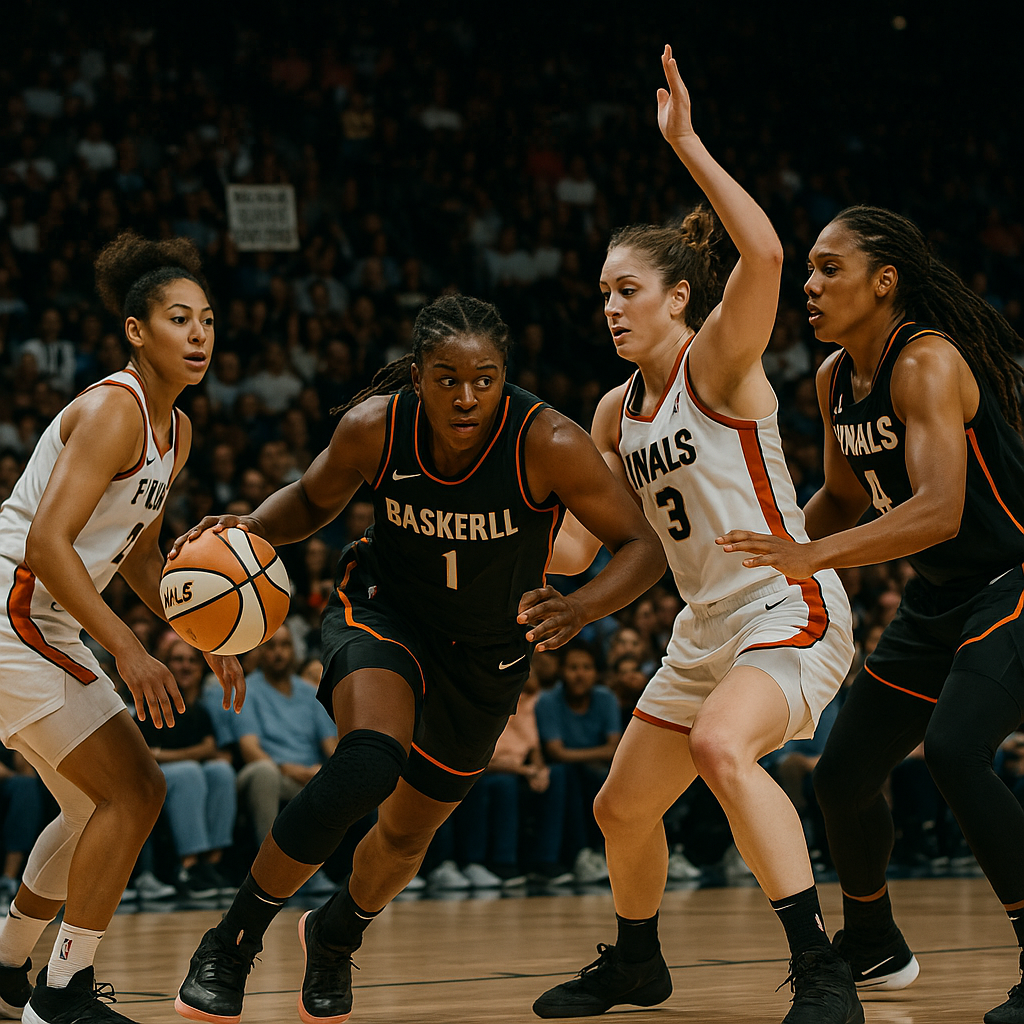
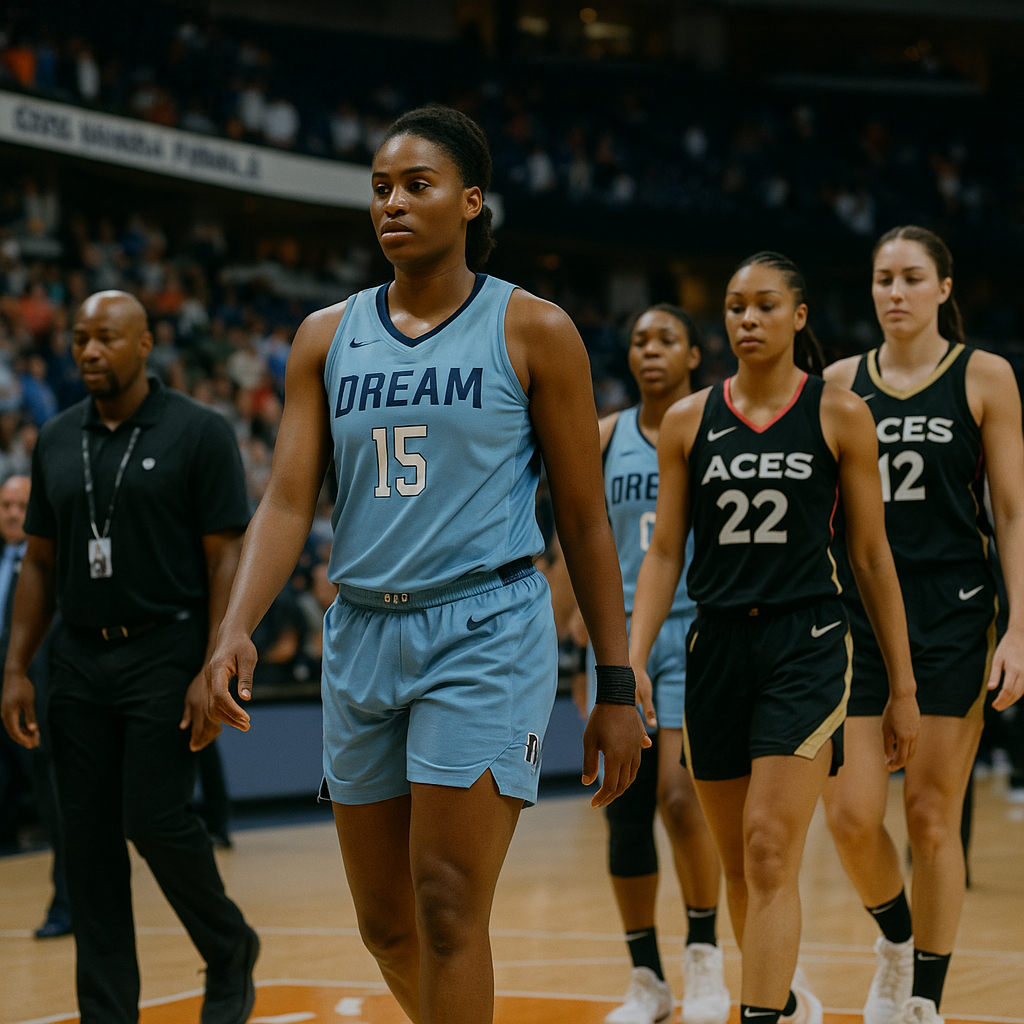
On October 23, 2026, the sports world finds itself once again at the confluence of athletic performance and socio-political activism. Enes Kanter Freedom, a prominent athlete and vocal activist, has recently sparked considerable debate through his pointed critiques directed at NBA superstar LeBron James and the National Basketball Association (NBA) following an incident that arose during the WNBA Finals. While the original discourse surrounds personal and institutional responses, this episode underscores profound shifts in the global sports workforce landscape—where athletes navigate expanding roles beyond competition.
Shifting Roles of Athletes in the Global Workforce
Modern professional athletes increasingly embody dual identities: high-performance competitors and influential global voices on social and political matters. This duality can both empower and complicate their labor environment. Kanter Freedom's public statements emphasize tensions between individual athlete activism and organizational stances maintained by leagues such as the NBA and WNBA.
Such dynamics have critical consequences for:
- Workplace autonomy: athletes seek greater agency in expressing their beliefs, challenging traditional employer-employee power balances within sports organizations.
- Talent retention and motivation: organizations must reconcile competitive objectives with athletes’ advocacy roles to maintain morale and performance.
- Global workforce diversity and inclusion: high-profile activism spotlights systemic issues, prompting leagues worldwide to re-examine policies fostering inclusive environments.
Implications for Sports Governance and Workforce Strategy
The confrontation and ensuing commentary prompt a reassessment of governance structures in professional basketball and related sports sectors. Effective workforce strategies must balance respect for freedom of expression with cohesive organizational culture.
Key challenges facing management include:
- Developing transparent policies that articulate the scope of athlete activism without undermining league integrity.
- Engaging stakeholders—including players’ unions, sponsors, and fans—in dialogue to harmonize expectations.
- Implementing training and support systems that equip athletes and leadership to navigate the complexities of modern advocacy.
Wider Workforce Trends in Global Sports
This incident contributes to broader trends reshaping the global sports workforce amid evolving socio-political landscapes:
- Increased athlete empowerment: Athletes are leveraging their platforms to influence public discourse, forcing organizations to adapt rapidly.
- Globalization of sports labor: Cross-border leagues and international competitions necessitate nuanced approaches to cultural and political sensitivities.
- Integration of social values into corporate sports identity: Organizations are branding themselves not only as entertainment providers but as social actors, impacting recruitment and retention.
Consequently, workforce management in sports now requires a sophisticated understanding of social dynamics and proactive engagement strategies to foster sustainable career environments.
Conclusion
The episode triggered by Enes Kanter Freedom’s criticism highlights the evolving role of athletes as active participants beyond the arena, influencing the fabric of the global sports workforce. Navigating these complexities mandates informed governance, innovative management, and inclusive policies. The future of professional sports hinges on harmonizing athletic excellence with meaningful engagement in social issues, creating resilient frameworks that support athletes’ dual identities.










No comments yet. Be the first!