
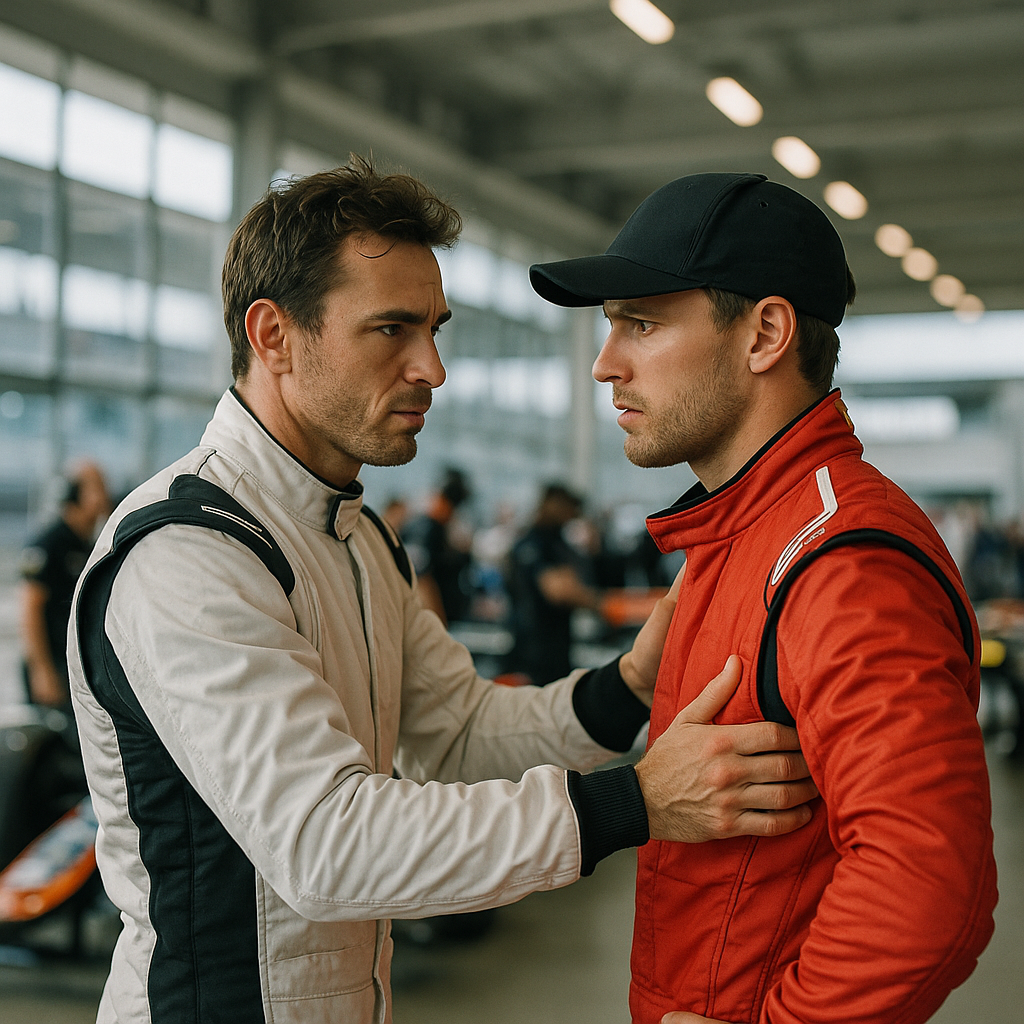
On June 1, 2026, a revealing interaction between two prominent NASCAR figures, Dale Earnhardt Jr. and Kyle Busch, offers valuable insights into the motivational dynamics and leadership strategies prevalent within professional motorsports teams. The exchange, which was publicly shared following a recent NASCAR race, highlights the intricate balance between competition, collaboration, and emotional resilience necessary to sustain high performance in this demanding sector.
The text messages occurred shortly after Busch’s notable victory, marking a significant moment not only for the driver but also for the teams and the industry at large. These communications underline the critical role that intra-team and inter-team relationships play in shaping athlete mindset, engagement, and ultimately, team success.
Motivational Dynamics in High-Performance Sports
The exchange between Earnhardt Jr. and Busch reflects deeper themes of perseverance and strategic mindset in professional sports. Such communications between veteran figures and current athletes serve as both motivational tools and mechanisms for psychological support.
Within NASCAR, where competition is intense and margin for error minimal, the ability to manage emotional responses and channel competitive drive constructively is crucial. The dialogue exemplifies how leadership within teams extends beyond technical guidance to include mentorship and emotional intelligence.
Implications for Workforce Management in Motorsport Teams
This interaction also underscores broader lessons applicable to global workforce management, particularly in high-stress, performance-oriented environments such as professional motorsports:
- Effective communication: Transparent and supportive exchanges among team members foster a culture of trust and continuous improvement.
- Mentorship: Veteran professionals play a pivotal role in cultivating emerging talent by providing both encouragement and strategic counsel.
- Emotional resilience: Building mental toughness is just as important as physical proficiency in sports performance.
- Goal alignment: Maintaining a shared vision between individuals and the organization reinforces motivation and cohesion.
Strategic Leadership and Competitive Edge
In motorsports, where split-second decisions determine outcomes, leadership that motivates through mental preparation and mutual respect can create a sustainable competitive advantage. The leadership styles embraced by NASCAR teams often integrate psychological acumen with technical expertise.
Kyle Busch’s response, tinged with a promise of future comeback efforts, epitomizes a growth-oriented mindset that is essential within team dynamics. It embodies the competitive spirit balanced with respect, pivotal for fostering a healthy workplace culture within a globally viewed sporting spectacle.
Broader Workforce Reflections
Motorsports teams act as microcosms of complex global workforces where strategy, communication, and emotional intelligence intersect. The high-profile exchange between Earnhardt Jr. and Busch serves as a case study for organizations seeking to enhance employee engagement and performance in rapidly evolving and competitive industries.
Conclusion
The recent interaction between two NASCAR stalwarts offers more than a narrative of competition—it provides a lens into the psychological and managerial frameworks essential for success in professional sports and beyond. By examining these undercurrents of mentorship, communication, and resilience, industries across the globe can gain valuable strategies for managing talent and driving performance in highly demanding work environments.







No comments yet. Be the first!