
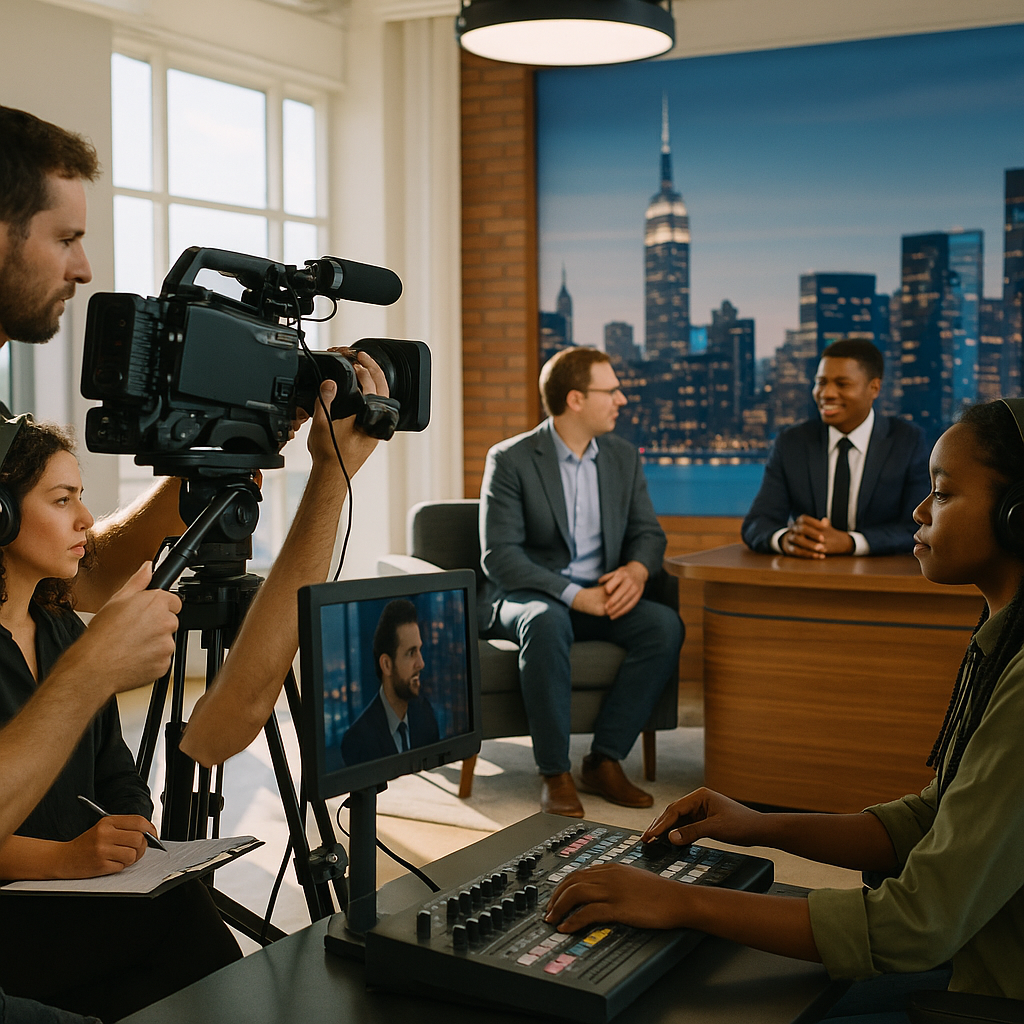
June 19, 2026 – Late-night television, a cornerstone of American media for decades, has undergone profound changes that reflect broader transformations in the global workforce landscape. Recent comments by Jay Leno, former host of a legendary late-night show, shed light on these shifts by recognizing Joe Rogan as a new standard-bearer who redefined the industry from an unconventional standpoint.
Shifting Paradigms in Media Careers
Jay Leno's acknowledgment of Joe Rogan as a modern successor to the late Johnny Carson encapsulates a significant industry evolution. Unlike traditional late-night hosts who generally ascended through established network paths, Rogan leveraged digital streaming platforms to build a global audience. This trajectory signals a diversification of career models within media, underscoring the role of technology as a catalyst for workforce innovation.
For professionals across the global workforce, especially within media production and entertainment sectors, this trend highlights the necessity of adaptability and digital fluency. As rigid pathways give way to more fluid and entrepreneurial approaches, talent acquisition and retention strategies must evolve accordingly.
Impact of Digital Platforms on Workforce Structures
Joe Rogan's rise exemplifies how digital platforms can disrupt traditional employment hierarchies, expanding opportunities beyond conventional networks. His success story demonstrates that content creation, audience connection, and brand development no longer depend solely on institutional gatekeeping.
- Flexibility: New platforms enable creatives and media professionals to operate with increased autonomy.
- Diversity of Roles: Roles have expanded to include digital marketing, analytics, and community management as integral facets of media workforce structures.
- Global Reach: Content distribution is no longer geographically constrained, opening international market access.
These changes necessitate comprehensive upskilling initiatives and organizational shifts to accommodate hybrid and remote working models prevalent in this sector.
Audience Engagement and Workforce Implications
The evolving late-night model emphasizes direct audience engagement, a paradigm shift that has workforce implications. Professionals must now blend creative talent with data-driven insights to remain relevant. This multidisciplinary demand is driving recruitment and training policies toward more integrated skill sets.
Moreover, the success of figures like Rogan illustrates how personal brand management and digital presence are critical to professional sustainability in the media industry. As a result:
- Media companies increasingly prioritize talent with strong social media acumen.
- Collaborative teams including content strategists and technologists become standard.
- Flexible contracts and gig-based employment models rise in prevalence.
Challenges and Opportunities for Global Workforce Development
The late-night television sector's transformation embodies broader workforce challenges including job security concerns, disparity in access to digital resources, and the need for ongoing professional development. However, it also presents unprecedented opportunities for innovation and inclusion:
- Democratization of media careers: Lower barriers to entry can foster greater diversity and inclusion.
- Global collaboration: Talent from varied geographies can contribute to content creation and distribution.
- New revenue models: Subscription services and sponsorships create alternative earning pathways.
To maximize these benefits, stakeholders must invest in infrastructure, education, and policies that support agile workforce evolution.
Conclusion
The commentary offered by Jay Leno not only reflects on a shifting media landscape but also highlights important trends relevant to the global workforce. As late-night television continues to evolve from network-bound formats to dynamic digital experiences, workforce strategies must prioritize digital literacy, flexible career pathways, and cross-disciplinary collaboration to thrive in this new era.
Understanding these changes is essential for stakeholders seeking sustainable growth in media and entertainment sectors worldwide in 2026 and beyond.









No comments yet. Be the first!