
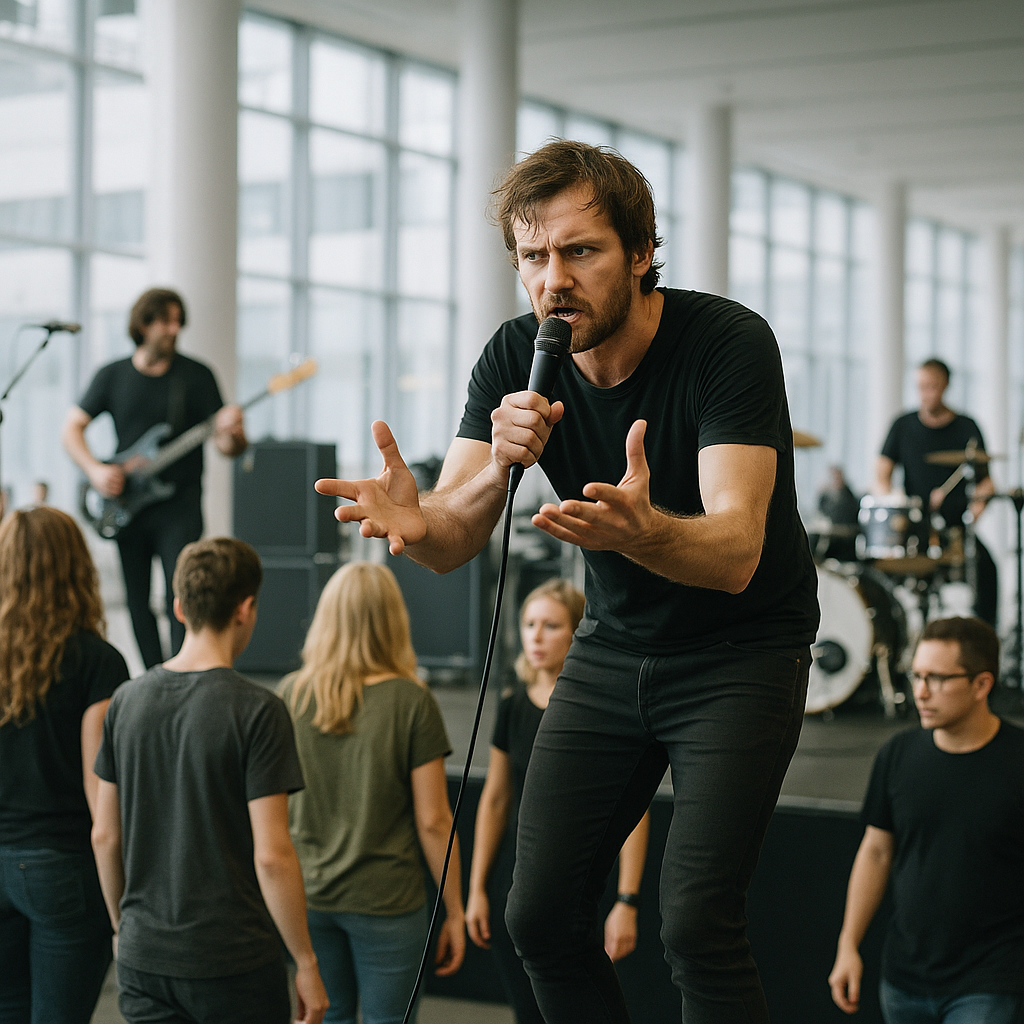
On June 1, 2026, during a live concert in the United States, rock band The Black Crowes experienced an unexpected audience reaction after lead vocalist Chris Robinson made controversial remarks mid-performance. This event quickly escalated on social media, sparking conversations that transcend the music scene and delve into broader workforce implications within the global entertainment industry.
Audience Engagement and Workforce Conduct
Live performances often rely heavily on the reciprocity between artists and their audiences, serving as a dynamic space where energy and enthusiasm reinforce success. However, when a prominent figure in the industry publicly dismisses or challenges crowd behavior, it introduces complex challenges for workforce leadership and team cohesion.
In this case, Robinson's interruption of patriotic chanting by concertgoers led to numerous attendees leaving the venue prematurely, affecting not just ticket revenue but also morale among performing artists and support staff. Such disruptions highlight the fragile balance between personal expression and professional responsibility within the entertainment workforce.
Implications for Workforce Management in Entertainment
High-profile incidents like this serve as case studies for managing workforce behavior, particularly in sectors where public interaction is continuous and immediate. Entertainment industry leaders and HR professionals face challenges including:
- Maintaining performers' autonomy while ensuring their conduct aligns with organizational values and audience expectations.
- Preparing support teams to manage fallout from unpredictable events that affect both live experience quality and brand reputation.
- Implementing training programs to balance artistic freedom against potential audience sensitivities, especially in politically or culturally charged contexts.
Broader Workforce Trends and Audience Sensitivity
Today's global workforce within entertainment is increasingly attuned to public sentiment and digital feedback loops. Social media amplifies real-time reactions, influencing future employment opportunities and contract negotiations for artists and associated personnel.
This landscape demands a proactive approach to workforce development, emphasizing emotional intelligence, cultural awareness, and crisis communication skills. Such competencies are becoming critical assets not just for performers but for all professionals engaged in the production and promotion of live events.
Conclusion
The recent Black Crowes incident underscores the interconnectedness between individual behavior and collective workforce dynamics in entertainment. Organizations in the sector must adapt by cultivating environments where artistic expression coexists with audience engagement strategies, safeguarding reputation while fostering sustainable career paths for workers.






No comments yet. Be the first!