
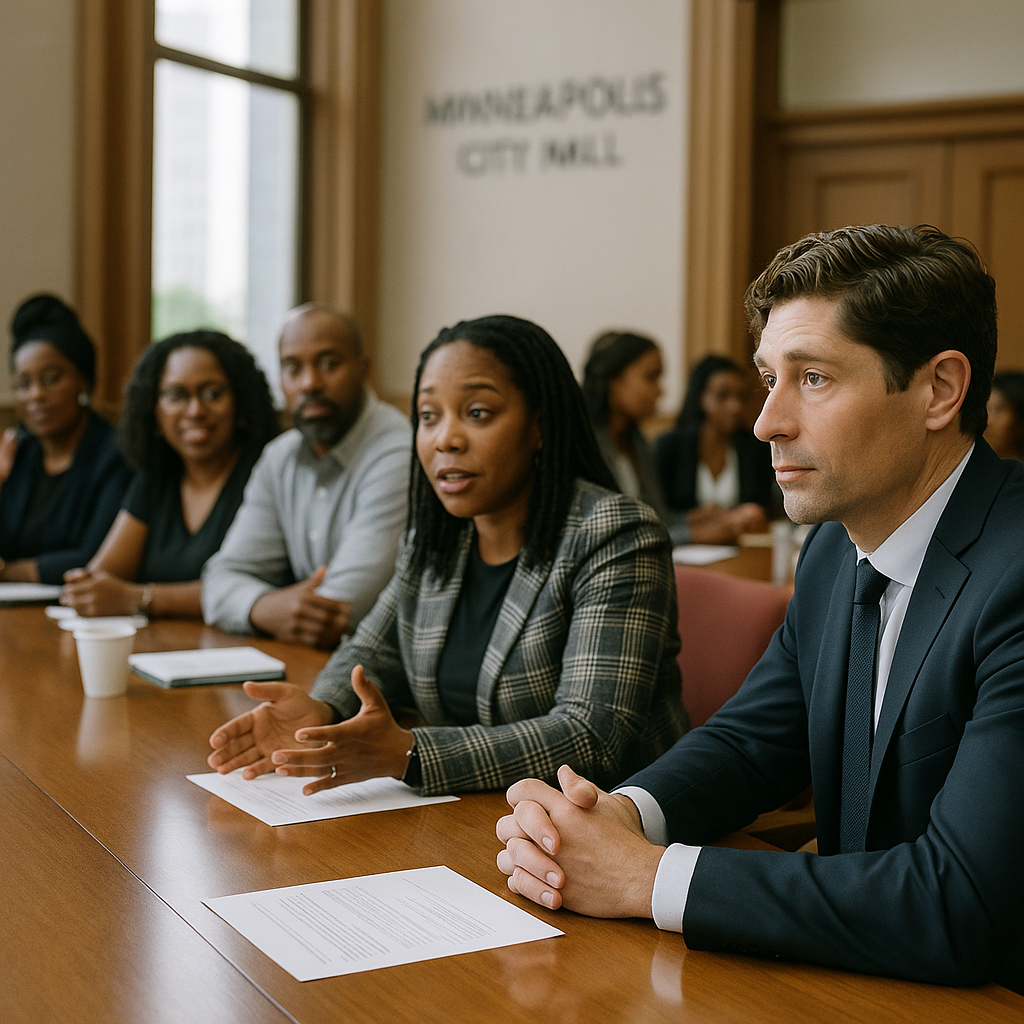
In the contemporary global workforce landscape, leadership authenticity and cultural engagement play pivotal roles in shaping public perception and motivating diverse work communities. On August 15, 2026, an event held in Minneapolis — a city known for its progressive leadership — provided key insights into how public figures' interactions with cultural sectors influence urban workforce dynamics.
The mayor of Minneapolis participated in a Black entrepreneur fair, aiming to demonstrate support and solidarity with local business leaders belonging to historically underrepresented communities. However, the approach adopted by the mayor, which involved performing hip-hop dance moves, became viral on social media and sparked a wide-ranging discussion about the nuances of cultural representation by public officials in professional settings.
Leadership and Workforce Engagement
Leadership in urban centers demands a delicate balance between approachability and professionalism. This incident has spotlighted the challenges leaders face when attempting to connect with diverse workforce segments, particularly those that have been marginalized. Experts note that:
- Authentic engagement is critical for trust-building between government representatives and workforce communities.
- Overstepping cultural boundaries, even with positive intent, can inadvertently reduce credibility and affect workforce morale.
- Visual impressions and symbolic actions carry significant weight in shaping community perceptions of leadership commitment to inclusivity.
This dynamic is particularly relevant in cities like Minneapolis, where workforce diversity is increasingly recognized as a crucial driver of innovation and economic resilience.
Implications for Urban Workforce Development
Events such as local entrepreneur fairs serve multiple purposes within the ecosystem of workforce development:
- They offer platforms for minority-owned businesses to gain visibility and funding opportunities.
- They encourage civic leaders to interact directly with emerging market segments and workforce participants.
- They catalyze dialogues around inclusion, equity, and the socioeconomic dimensions of workforce integration.
However, the viral discourse surrounding the mayor’s participation illustrates the delicate optics involved in such initiatives. Workforce strategists emphasize the importance of culturally sensitive engagement methods that empower rather than overshadow local talent.
Lessons Learned: Navigating Cultural Sensitivity in Workforce Initiatives
The key takeaways for both leadership and workforce development entities include the following points:
- Inclusive communication strategies must be co-developed with community stakeholders to ensure respectful representation.
- Training for public officials on cultural competence enhances meaningful engagement with workforce sectors from diverse backgrounds.
- Transparency in intent and actions helps to mitigate misinterpretations and promote collaborative progress.
These lessons contribute to evolving frameworks that prioritize genuine partnership between local governments and workforce communities.
Conclusion
The Minneapolis case underlines the importance of thoughtful leadership presence in workforce-related community engagements. As urban areas continue to diversify, leaders must harness cultural intelligence to foster environments where all workforce members feel acknowledged and valued. Successful engagement is not only about participation but also about the manner and context in which leaders immerse themselves in community initiatives, ultimately shaping the future of inclusive workforce development.







No comments yet. Be the first!