
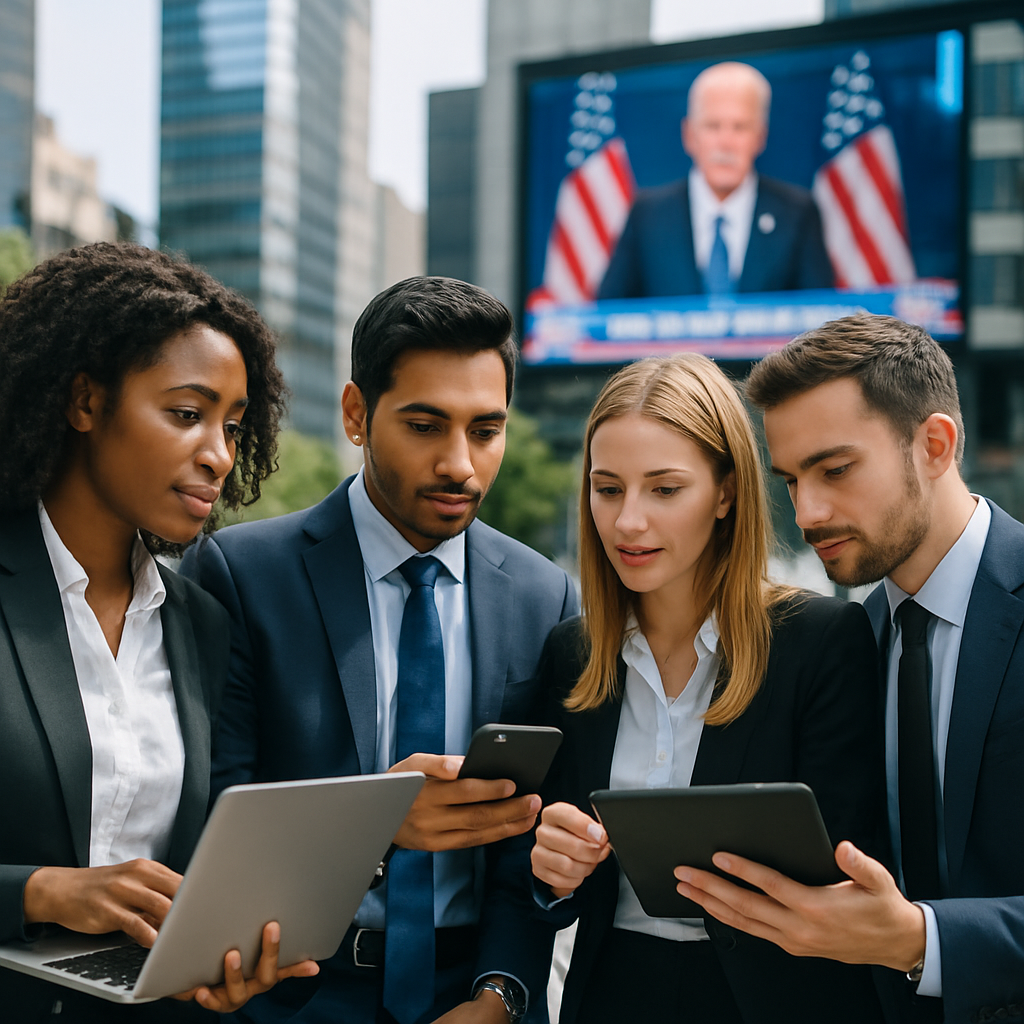
As of June 27, 2026, prominent political figures in the United States have publicly acknowledged a widening divide within their ranks, underscoring broader implications for the global workforce. The evolution of political landscapes directly influences workforce composition, labor policies, and organizational culture worldwide.
Political Divisions and Workforce Uncertainty
Recent statements by well-known political strategists have spotlighted increasing fragmentation in their parties, an event reverberating beyond political rhetoric into economic sectors and labor markets. While the original context centered on ideological conflicts, the labor market interpretation reveals the following dynamics:
- Employee Alignment and Corporate Identity: Polarized political environments can deepen divides in workplace values, affecting employee morale and productivity across multinational corporations.
- Talent Retention Challenges: Firms may face higher turnover rates as workforce segments react differently to social and political developments, influencing recruitment and retention strategies globally.
- Remote Work and Decentralization Trends: Political uncertainty accelerates organizational shifts toward flexible work environments, enabling companies to mitigate risks associated with localized unrest.
Global Workforce Adaptation and Strategic Shifts
In response to these political undercurrents, multinational companies and workforce planners are adapting with innovative policies and reshaping human resources practices to foster resilience and inclusivity.
- Enhanced Diversity and Inclusion Programs: Strengthening support systems to bridge ideological divides and create unified organizational cultures.
- Investment in Employee Well-being: Implementing mental health initiatives and open forums to address workplace tensions arising from political heterogeneity.
- Focus on Upskilling and Continuous Learning: Preparing employees for volatile market conditions by promoting versatile skill sets and adaptability.
Technology’s Role in Navigating Workforce Fragmentation
Advancements in workforce analytics and AI-driven management tools provide organizations with granular insights into employee sentiment and performance trends, enabling proactive responses to emerging divisions.
- AI-Powered Sentiment Analysis: Real-time monitoring of workplace morale to preempt disruptions caused by external political influences.
- Automated Conflict Resolution Platforms: Facilitating constructive dialogue and reducing polarization within diverse teams.
- Remote Collaboration Technologies: Supporting geographically dispersed teams and fostering cohesion despite external uncertainties.
Implications for Workforce Policy and Global Business
Policy makers and business leaders are tasked with balancing political realities and labor market demands to maintain stability and growth.
- Regulatory Adaptations: Evolving labor laws to reflect shifting political climates while protecting workers' rights and business continuity.
- Cross-Sector Collaboration: Encouraging partnerships between government, private sector, and civil society to navigate social complexities.
- Global Talent Mobility: Revising visa and relocation policies in light of political fragmentation to sustain global talent pipelines.
Conclusion
As political schisms deepen in key global economies, the global workforce stands at a crossroads. Navigating this landscape requires comprehensive strategies that consider not only the economic impact but also the social and cultural dimensions affecting employees worldwide. Businesses that proactively adapt to these challenges by fostering inclusive environments, leveraging technology, and realigning policy engagement will be best positioned to thrive in the evolving global labor market of 2026.








No comments yet. Be the first!