
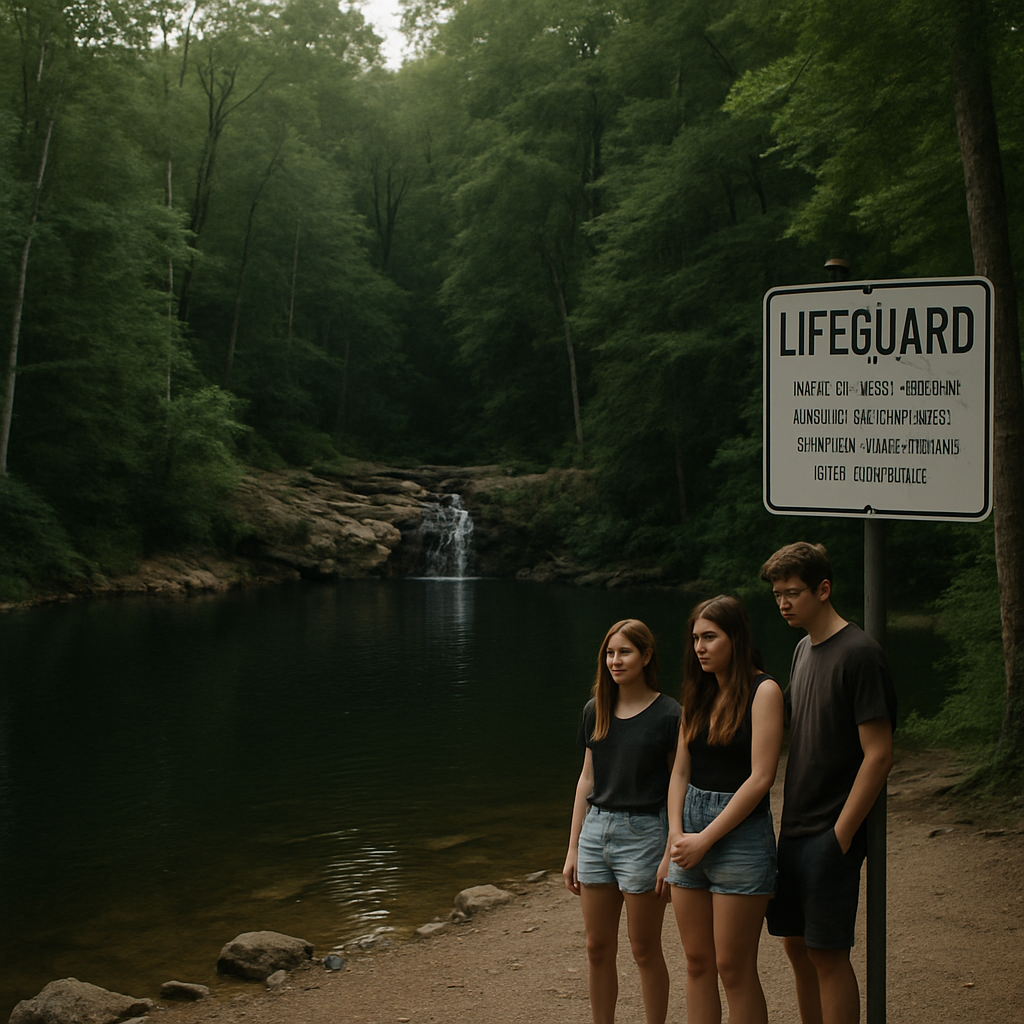
On June 30, 2026, a college student from Kansas tragically lost their life after jumping into a renowned natural swimming hole known for its breathtaking scenery but notorious for hidden risks. The incident has sparked renewed attention within the higher education community regarding student safety during outdoor recreational activities.
Understanding Hidden Dangers in Popular Natural Destinations
Natural swimming holes attract large numbers of young adults, including college students seeking respite from academic stress. However, many such locations come with unseen hazards — from underwater currents to submerged obstacles — which can turn leisure into tragedy.
Experts emphasize that these hazards are often not well marked or widely communicated, leading to preventable accidents. The recent incident in Kansas is a solemn reminder of the importance of educating students about these risks before they engage in such activities.
The Role of Higher Education Institutions
Universities and colleges have a growing responsibility to incorporate safety advisories into their extracurricular programming. This involves:
- Providing clear guidelines about off-campus recreational sites frequented by students.
- Collaborating with local authorities to disseminate safety information.
- Offering training sessions on recognizing and responding to water-related emergencies.
- Encouraging peer awareness campaigns on campus to foster a culture of safety.
Statistics and Trends
Data indicates that drowning remains a significant cause of accidental death among college-aged individuals engaging in natural water activities. Despite ongoing efforts, many incidents occur due to overestimation of swimming abilities and lack of knowledge about the specific dangers of each site.
Higher education institutions are increasingly called upon to develop proactive measures that reduce these risks through awareness, preparedness, and policies that promote safe recreation.
Future Initiatives
In response to recent events, several universities across the U.S. are reviewing their student activity policies. Proposed measures include mandatory orientation sessions covering outdoor and water safety, expansion of emergency response training, and enhanced communication channels linking students with local risk management resources.
These steps aim to empower students with better judgment and preparedness, ultimately reducing tragic incidents at natural recreational sites.











No comments yet. Be the first!