
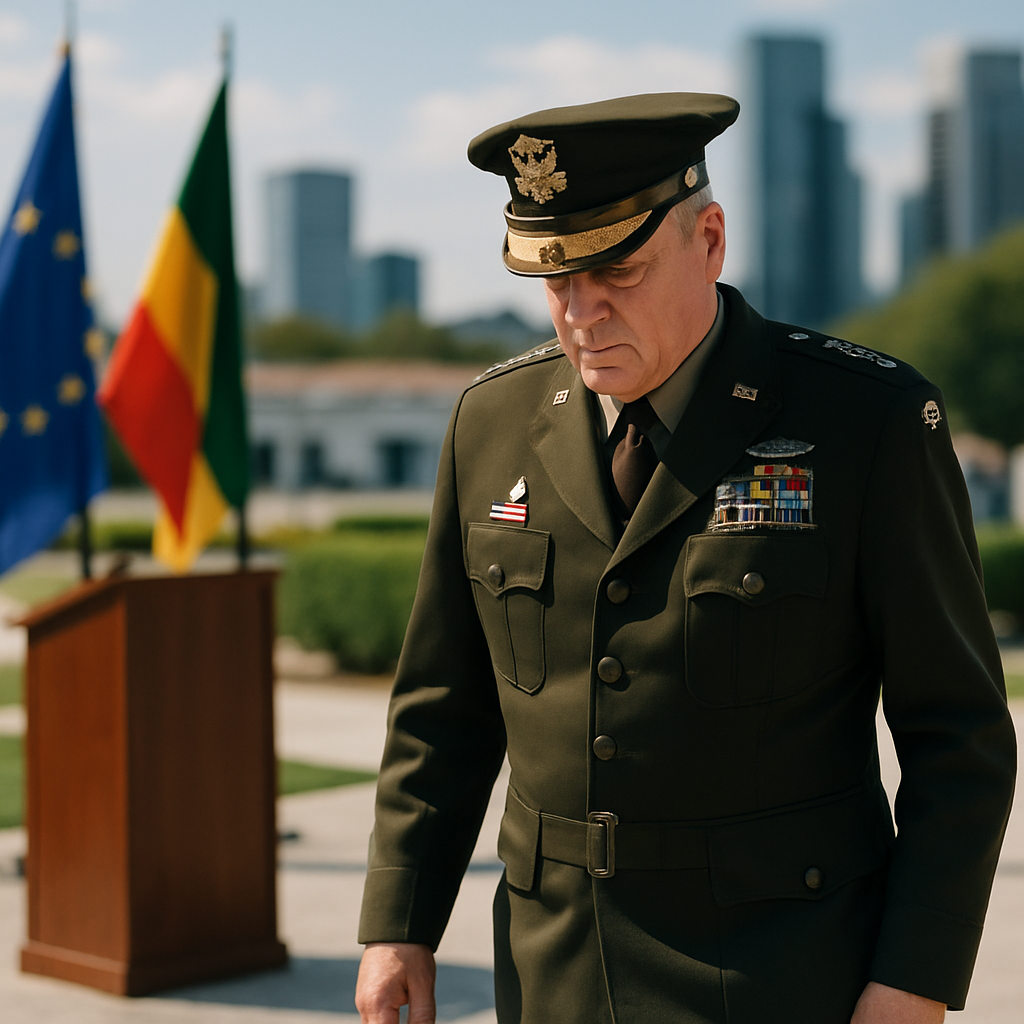
On June 24, 2026, an unexpected change rattled the upper echelons of U.S. military leadership, as the commanding general responsible for the U.S. Army's European and African theaters abruptly tendered his resignation. This development, occurring under the administration of the current Department of Defense leadership, emphasizes significant shifts in military organizational strategy and workforce management amidst evolving global security demands.
Context and Workforce Implications
The departure of such a high-ranking figure draws attention not only to political or strategic recalibrations but also to the human capital aspect within the armed forces. Military commands operating across multiple continents face complex workforce challenges, from retaining top talent to managing cross-cultural coordination and logistical pressures.
Leading the U.S. Army in both European and African theaters demands an adept capacity to supervise diverse personnel and sustain operational readiness. The abrupt leadership transition suggests an ongoing reassessment of talent management approaches by senior defense officials.
Organizational Restructuring in Military Commands
Military restructuring initiatives in recent years have aimed to optimize command efficiency and adaptability. Under the current Secretary of the Army, personnel reviews and leadership realignments have become more frequent, intending to inject new strategic perspectives and reinforce workforce resilience.
This recent resignation fits a broader pattern of leadership changes instituted as part of a comprehensive overhaul designed to modernize command frameworks and enhance mission efficacy. The impact on middle and lower ranks is significant, as shifts in command often trickle down to affect troop morale, career trajectories, and skill development opportunities.
Challenges and Opportunities for Global Military Workforce
- Talent retention: High-stakes roles in geographically dispersed theaters require robust retention policies to maintain operational continuity.
- Leadership development: Sudden leadership changes demand accelerated succession planning and leadership pipeline fortification.
- Cultural agility: Personnel must navigate diverse cultural environments across multiple continents, requiring enhanced training and adaptability.
- Technological integration: Embracing new military technologies generates a need for upskilling and workforce retooling.
- Workforce wellbeing: Ensuring psychological resilience and managing stress in extended deployments remain priorities.
The resignation reveals the delicate balance between maintaining strategic command integrity and fostering a sustainable, capable global military workforce that can respond to rapidly changing geopolitical realities.
Broader Implications for Global Defense Employment
Effective leadership transitions influence not only immediate military operations but also long-term employment models within defense sectors worldwide. Emphasizing workforce development, modernization, and leadership adaptability has become crucial for countries navigating contemporary defense challenges.
Enhanced focus on these areas can cultivate a military workforce that is resilient, versatile, and ready to meet the complex demands of future security environments.
Conclusion
The sudden resignation of the U.S. Army commanding general in charge of European and African theaters underscores evolving trends in military workforce management and organizational restructuring. It highlights the necessity for dynamic leadership, strategic talent retention, and adaptable workforce policies to sustain operational readiness amid global uncertainties. Understanding such leadership shifts provides valuable insights into the broader transformations shaping the global defense workforce today.










No comments yet. Be the first!