
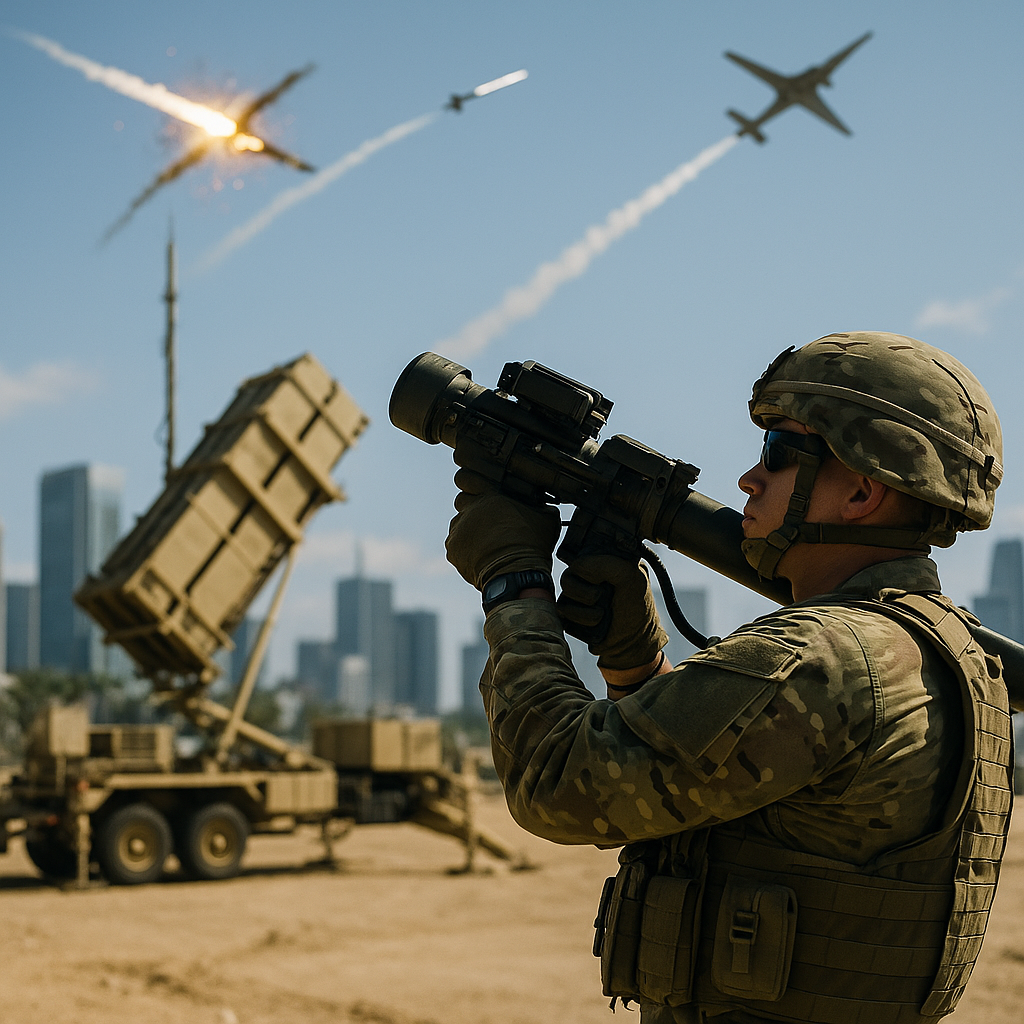
On June 4, 2026, United States military personnel intercepted and destroyed a series of Iranian-launched missiles and unmanned aerial vehicles (UAVs) that targeted key allied territories in Kuwait and Bahrain. This military action, part of an escalating pattern of regional tensions, highlights significant challenges facing workforce security and operational continuity in one of the globe’s most strategic economic zones.
Escalation of Regional Security Threats
The interception of these offensive assets by US forces occurred amid heightened confrontations in the Middle East, with Iran continuing to project its capabilities via missile and drone attacks. Although the immediate military objective was to neutralize physical threats, the broader implications for workforce dynamics in affected countries are profound.
Work environments in Gulf Cooperation Council (GCC) states, particularly Kuwait and Bahrain, are increasingly shaped by geopolitical instability. This necessitates robust contingency planning and adaptive human resource strategies to safeguard employees and maintain business continuity across sectors that range from energy production to international finance.
Impact on Workforce Stability and Regional Economies
These developments carry significant repercussions for the global workforce, particularly expatriates and multinational corporations operating in the region. Companies are compelled to reassess risk management frameworks with a focus on employee safety, crisis communication protocols, and adaptive operational models.
- Heightened security protocols: Corporations have intensified protective measures, including remote work integration and fortified physical security infrastructures.
- Workforce mobility challenges: Travel restrictions and safety concerns affect labor movement, talent acquisition, and retention.
- Psychological well-being: Persistent tensions impose stress on worker morale and overall mental health, prompting demand for enhanced support services.
Strategic Response and Future Workforce Considerations
Government and private sector leaders are increasingly prioritizing multifaceted approaches to workforce resilience. Investment in technology-enabled safety systems and cross-border collaboration are critical to navigating the volatility that characterizes this geopolitical landscape.
Moreover, the recent military engagement underscores the strategic importance of workforce agility and preparedness in maintaining operational effectiveness. Industry experts emphasize continuous scenario planning, employee training for emergency response, and fostering a culture of adaptability amidst uncertainty.
Conclusion
As the United States reinforces its military presence to secure ally nations Kuwait and Bahrain, the ripple effects on the global workforce are clear. Companies and governments alike must deepen their commitment to safeguarding employees and infrastructure against ongoing threats. These proactive measures are essential not only for immediate security but also for sustaining economic vitality and workforce confidence in this volatile yet economically critical region.











No comments yet. Be the first!