
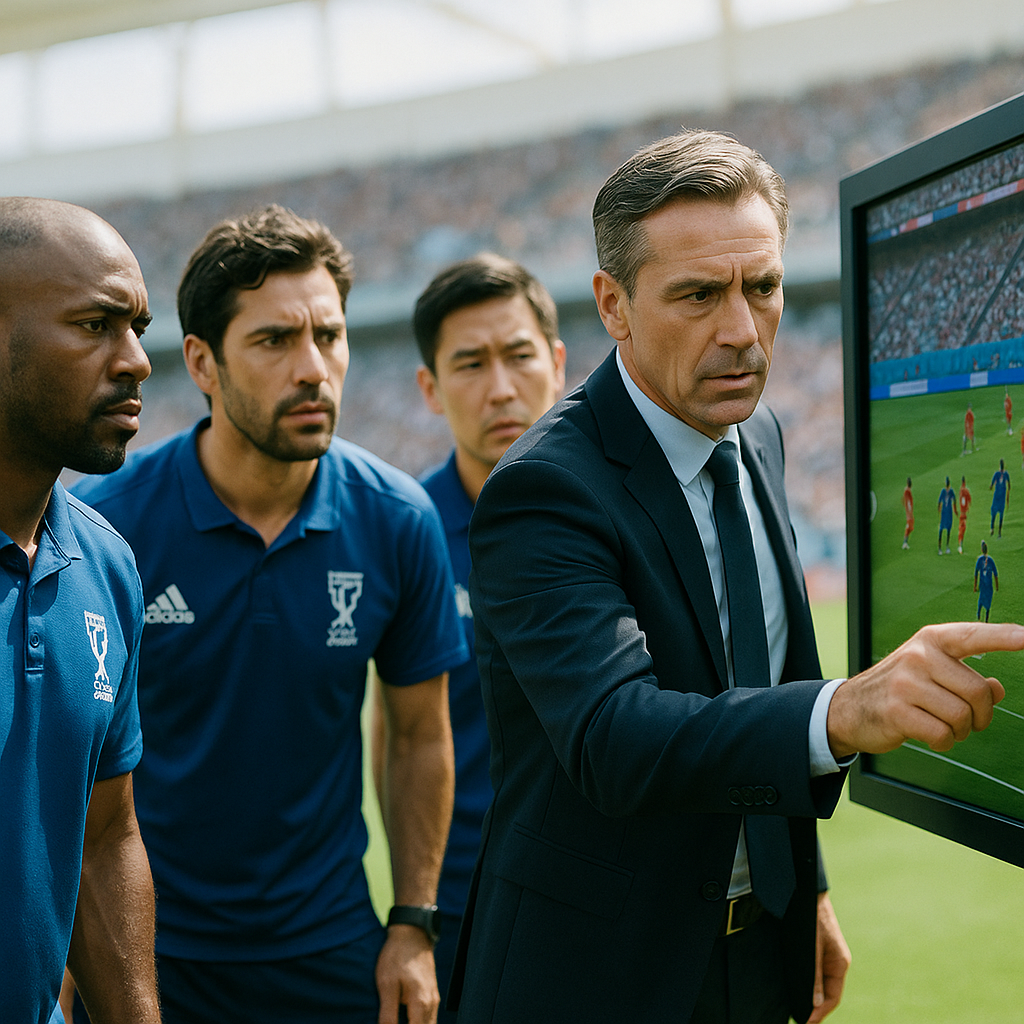
On June 20, 2026, the sports world witnessed a historic moment as the United States clinched a remarkable victory in the 2026 FIFA World Cup. Beyond the thrill of the game, this event has propelled a conversation on the evolving nature of leadership, decision-making, and workforce management within global sports teams and their broader organizational contexts.
The manager of the Australian national team, Tony Popovic, recently commented on the critical influence refereeing decisions during their match against the USA, describing the impact as a “big loss” for team dynamics. While such remarks typically emphasize the competitive aspect of sports, they also underscore underlying challenges related to leadership response and resilience in high-stakes environments.
Leadership and Decision-Making Under Pressure
In the context of global sports workforce, leadership extends beyond tactical strategy to encompass managing emotions, team morale, and adapting to unforeseen circumstances—including external factors like refereeing decisions. This requires leaders who can maintain focus on long-term objectives while navigating immediate setbacks.
Key qualities emerging from this World Cup include:
- Emotional intelligence: Managers and coaches must balance competitive drive with empathy to support players’ psychological well-being.
- Adaptive thinking: Real-time strategic adjustments are crucial when facing unexpected challenges.
- Effective communication: Clear and honest dialogue within teams enhances cohesion and trust.
Global Workforce Implications in Sports
The dynamics observed in international sports teams reflect broader trends in workforce globalization. Diverse cultural backgrounds, varying communication norms, and differing leadership styles require organizations to cultivate inclusive and flexible management approaches.
The 2026 World Cup spotlighted the importance of:
- Cross-cultural leadership: Navigating multicultural team environments to harness diverse talents.
- Conflict resolution: Addressing disagreements constructively, such as disputes over officiating or team strategies.
- Continuous learning: Leveraging experiences and feedback to improve performance collectively.
Sports leaders increasingly serve as exemplars for corporate and organizational leaders managing global and versatile workforces. The tensions, successes, and lessons from the World Cup matchups resonate beyond the playing field into corporate boardrooms and workforce management strategies worldwide.
Technological Influence and Analytical Insights
Technological integration, including video assistant referees (VAR) and performance analytics, influences not only match outcomes but also workforce decision-making processes. Leaders who embrace data-driven strategies help create environments where team members perform at their best despite external pressures.
Benefits identified through technology adoption include:
- Enhanced decision accuracy: Reducing uncertainty in critical moments.
- Performance monitoring: Tailoring training and strategy based on real-time data.
- Transparency: Building trust through objective assessments.
Conclusion
The 2026 FIFA World Cup demonstrates the intricate relationship between leadership, team dynamics, and technology in the context of global workforce management. While competitive sports provide vivid examples, the principles gleaned apply universally to organizations striving for excellence in an interconnected and rapidly evolving environment. Emphasizing adaptability, inclusiveness, and data proficiency will be key drivers for success in future workforce scenarios worldwide.








No comments yet. Be the first!