
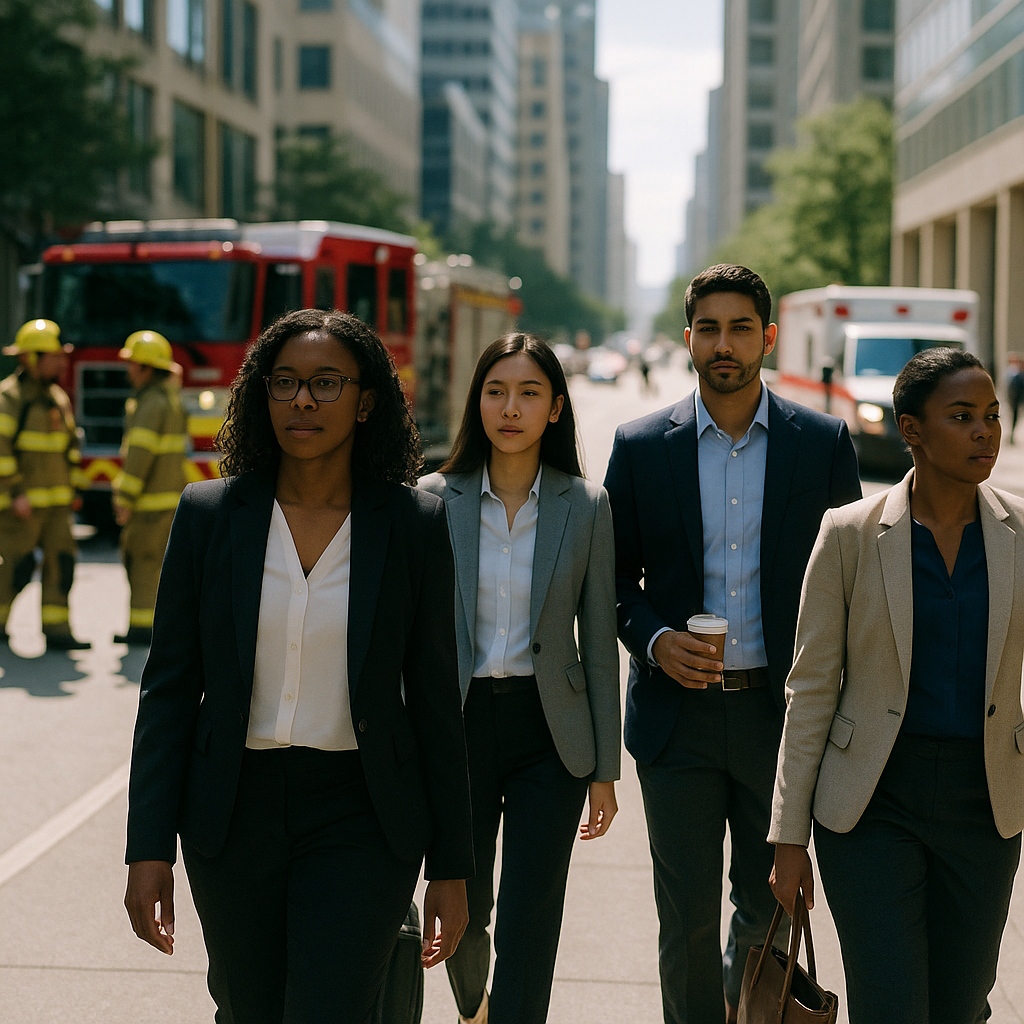
On June 24, 2026, a harrowing incident in the United States involving a woman attacked by unknown assailants has brought renewed attention to the intricate link between public safety and workforce stability. The attack, witnessed by bystanders who reportedly shouted support for one of the assailants, underscores alarming trends in urban violence that ripple out to influence global labor markets and organizational environments.
Urban Violence and Its Ripple Effects on Workforce Stability
Urban public safety challenges have increasingly become a central issue for global workforce management. The physical and psychological well-being of employees is directly affected by the environments in which they live and commute. In high-risk areas, incidents such as violent assaults not only endanger individual workers but also threaten organizational productivity and employee retention.
This recent attack has highlighted several key concerns for human resource managers and corporate leaders globally:
- Enhancement of workplace safety protocols and psychological support systems.
- Investment in flexible work arrangements to mitigate commuting risks.
- Development of corporate social responsibility initiatives focusing on community safety.
Global Workforce Adaptations in the Face of Safety Challenges
In 2026, businesses worldwide are increasingly incorporating factors like personal security and community violence into their workforce strategies. The broader implications include:
- Growing adoption of remote and hybrid work models where safety concerns prevail.
- Expansion of mental health resources and crisis response training for employees.
- Greater collaboration with local authorities to ensure safe transit options for employees.
- Focus on inclusivity and support for vulnerable workforce segments disproportionately affected by violence.
The Economic and Social Costs of Violence on Labor Markets
Violent incidents not only disrupt immediate public safety but also impose significant economic and social costs. The global labor market faces challenges related to absenteeism, reduced productivity, and higher turnover rates when employees feel unsafe. Organizations are also pressured to allocate additional resources toward security measures and employee welfare programs.
According to recent analyses, companies investing proactively in safety and employee well-being experience lower attrition rates and improved worker satisfaction, highlighting the importance of integrated approaches amid increasing urban violence.
Preparing the Workforce for an Evolving Security Landscape
To respond effectively to such incidents, organizations must:
- Integrate safety risk assessments into their operational strategies.
- Develop comprehensive emergency preparedness and response protocols.
- Foster a culture of resilience and awareness among employees.
- Leverage technology such as real-time security apps and communication platforms.
The recent attack has acted as a sobering reminder of the intersection between societal challenges and workforce integrity, motivating a shift toward more proactive and holistic workforce management frameworks.
Conclusion
As urban violence continues to influence the dynamics of global labor markets in 2026, organizations face the critical necessity of safeguarding their workforce beyond the traditional confines of the workplace. Incident like the attack reported today impel global businesses to intensify their focus on employee safety, mental well-being, and adaptive labor practices. The future of workforce management will undoubtedly hinge on integrating these factors to ensure resilience in an increasingly unpredictable security landscape.











No comments yet. Be the first!