
A new startup era is emerging in the age of artificial intelligence
01 Feb, 2026 | 17:47
.
PE
Updated on
30/04/2026 08:03
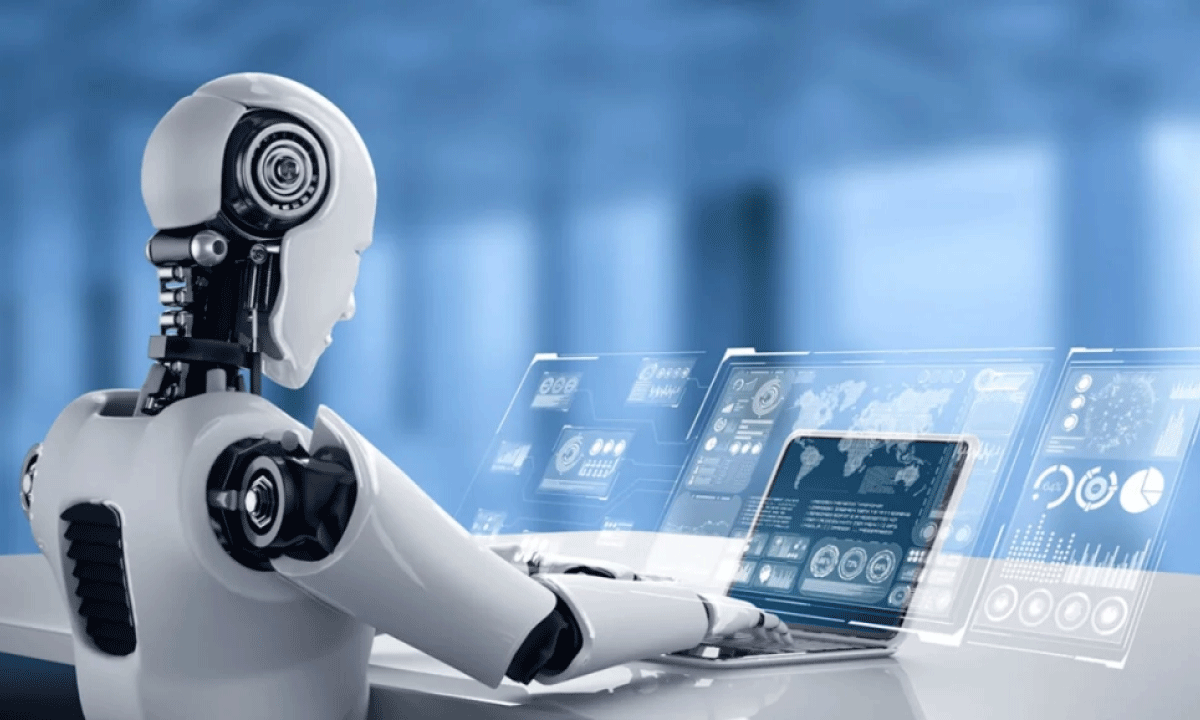
Artificial intelligence is reshaping how startups are built worldwide. Smaller teams, lower costs and faster innovation are redefining entrepreneurship.
.custom-h2 {
font-size: 28px;
}
Launching a startup once required significant funding, large teams and long development timelines. Today, artificial intelligence is reshaping that equation and redefining what it takes to build a company.
Across the global startup ecosystem, a new pattern is emerging: smaller teams are creating products faster and reaching markets earlier.
Lower barriers to entry for entrepreneurs
Artificial intelligence tools are reducing the technical and financial barriers that traditionally limited entrepreneurship. Tasks that once required specialized teams can now be supported by AI-driven platforms.
Startups are using AI to accelerate:
Product development
Customer support
Marketing and content creation
Market research and data analysis
This shift allows founders to test ideas quickly and launch products with fewer resources.
The rise of lean, high-impact teams
One of the most significant changes is the increasing productivity of small teams. With AI handling repetitive and time-consuming tasks, founders and employees can focus on strategy, creativity and decision-making.
This transformation is encouraging a new generation of entrepreneurs to enter the startup ecosystem.
A faster innovation cycle
AI is also shortening the time between idea and execution. Startups can experiment, adapt and iterate more quickly than before.
This faster cycle increases competition and accelerates innovation across industries.
Global implications for the future of entrepreneurship
The impact of AI on startups is not limited to a single region. Entrepreneurs worldwide are adopting AI tools to build scalable products and reach international audiences.
As digital tools become more accessible, the startup landscape is becoming more global and inclusive.
Entrepreneurship in the AI era
Artificial intelligence is not replacing entrepreneurs. Instead, it is reshaping the resources and skills required to build a company.
The startup ecosystem is entering a new phase where agility, adaptability and technological fluency play a central role in success.













No comments yet. Be the first!