

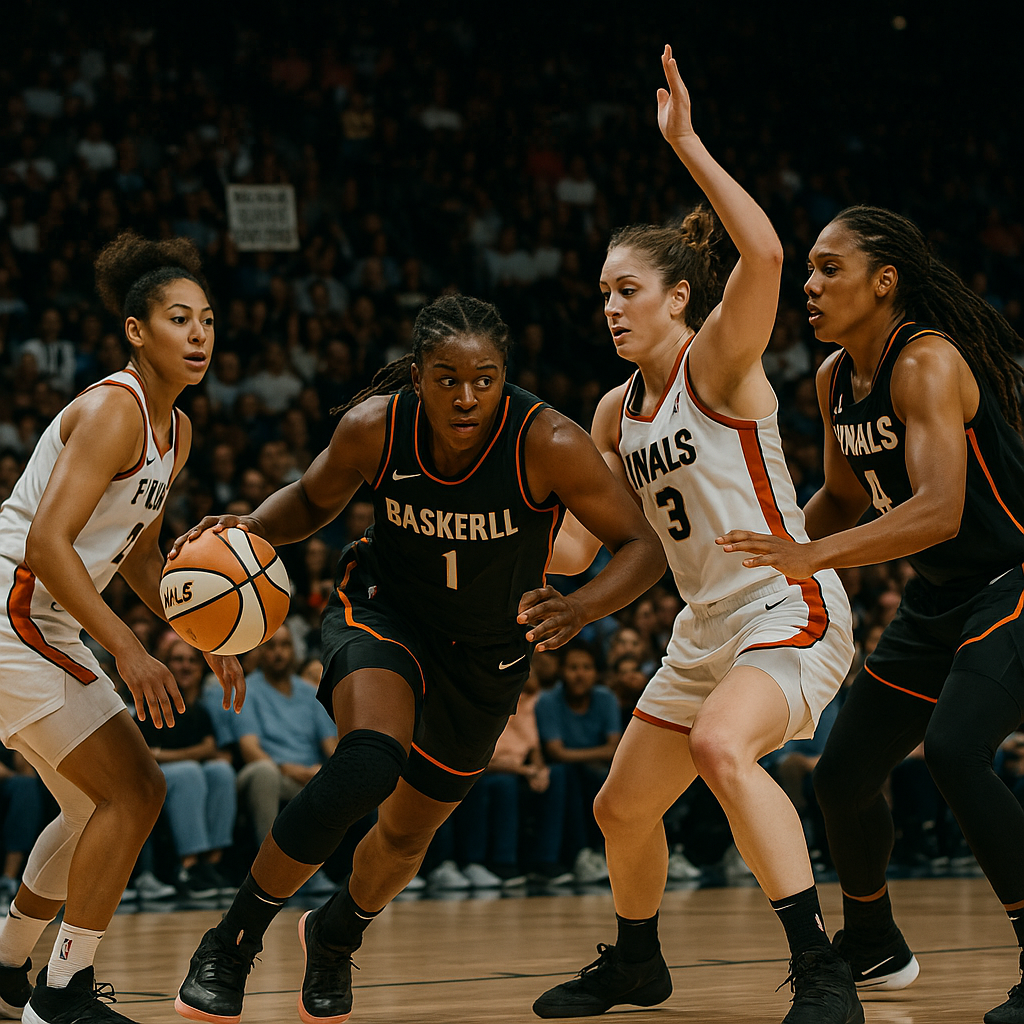
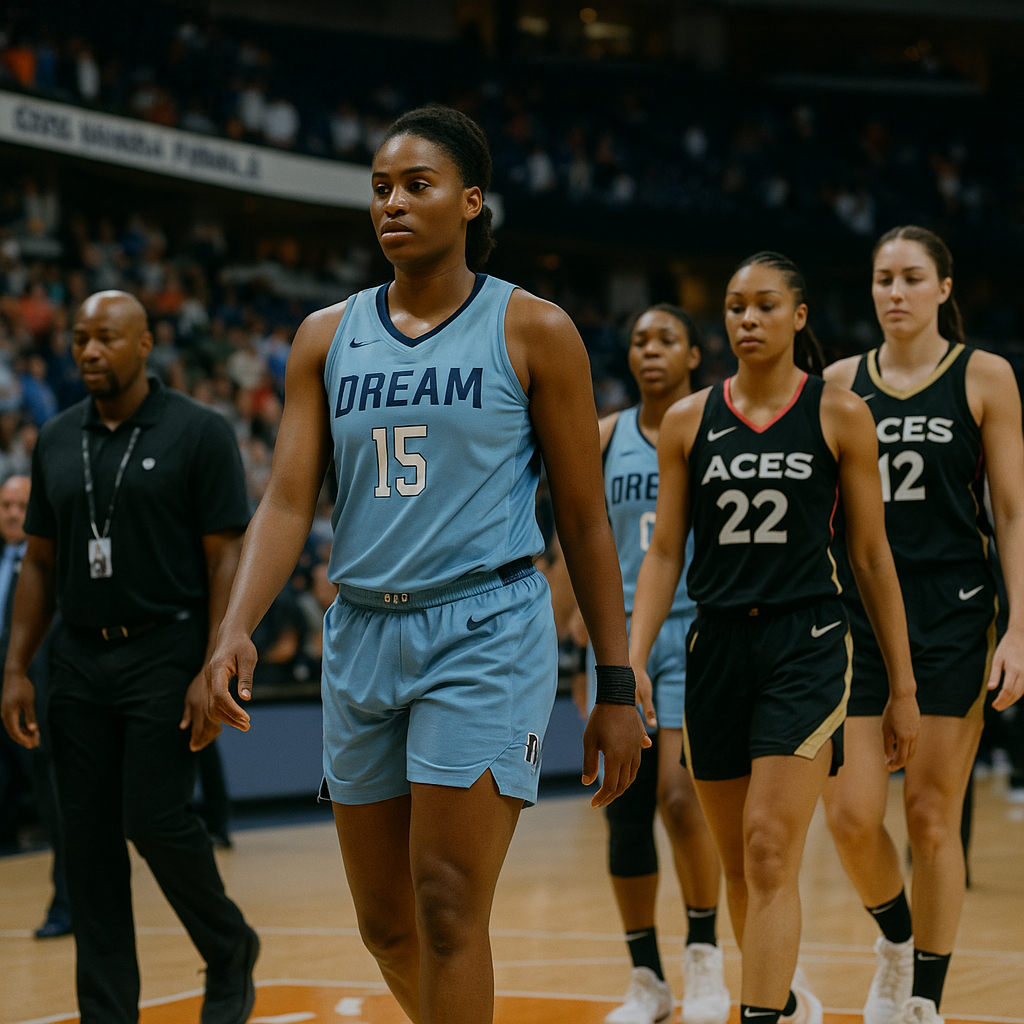
The recent national anthem controversy within the WNBA has inadvertently underscored a more profound issue confronting professional women’s sports: the pivotal role star athletes play in maintaining fan interest and overall league vitality. Caitlin Clark, a standout college basketball talent transitioning to the professional sphere, represents a significant catalyst in this dynamic, as her presence or absence visibly impacts audience engagement and revenue trajectories.
Star Power and Its Impact on Audience Engagement
Star athletes have long been recognized as critical assets to their leagues, not only enhancing the competitiveness of the sport but also attracting sponsorships, media coverage, and fan participation. The WNBA’s recent dip in viewership following Caitlin Clark’s absence during significant events emphasizes this dependency.
Her on-court performance, combined with a compelling personal brand, has made Clark a central figure for the league’s growth initiatives. This phenomenon is not isolated; similar patterns are observable across global sports where marquee players drive attendance and digital viewership.
Challenges Faced by Professional Women’s Sports Leagues
- Visibility and Media Coverage: Women’s leagues often struggle with consistent media attention, leading to challenges in building and retaining a broad fan base.
- Star-Centric Fan Base: Over-reliance on a few key players makes teams vulnerable when these athletes are unavailable due to injury, personal reasons, or controversies.
- Market Competition: Increasing entertainment options and competing sports leagues globally diversify audience interests, intensifying the battle for fan loyalty.
- Compensation and Investment: Disparities in funding and salaries affect the ability to attract and maintain top talent, which in turn influences league quality and appeal.
Implications for the Global Workforce in Sports
From a workforce perspective, the sports industry exemplifies several crucial trends shaping the future of work worldwide:
- Talent as a Strategic Asset: Just as star athletes drive leagues, specialized talent increasingly becomes the primary driver of organizational success across all sectors.
- Brand Building and Personalization: Career development now often intertwines with individual brand cultivation, requiring organizations to support personal marketing alongside professional performance.
- Resilience and Adaptability: Organizations and individuals must navigate uncertainties such as public controversies or health-related absences that impact workforce stability.
- Inclusive Growth and Equity: Addressing gaps in investment and recognition, particularly in women’s sports and marginalized groups, aligns with broader movements towards equitable workforce development.
Future Outlook and Strategic Recommendations
To fortify the sustainability of women’s professional sports and optimize workforce dynamics, stakeholders should consider comprehensive strategies:
- Diversify the Athlete Portfolio: Promote a wider array of players to share the spotlight, reducing dependence on singular stars.
- Enhance Media and Fan Engagement: Leverage emerging digital platforms and personalized content to deepen fan connections and expand reach globally.
- Invest Equitably: Increase funding, facilities, and support for women’s leagues to attract and retain diverse talent pools.
- Empower Athlete Development: Provide resources for brand building, mental health, and career transition planning to ensure longevity and well-being.
Conclusion
The WNBA’s recent episode highlights a universal lesson for all sectors relying on talent-driven engagement: the interplay of individual excellence with organizational strategy is crucial for sustainable growth. As professional women’s sports evolve, the integration of star athlete management, equitable investment, and innovative fan engagement will define their trajectory within the global workforce landscape.








No comments yet. Be the first!